Unrinji (“Cat Temple”) 雲林寺(猫寺)
Official explanation
Although Unrinji has been a Rinzai Zen temple for over 400 years, it is now widely known as Neko-dera, or “Cat Temple.” The temple was once a sub-temple of Tenjuin Temple, which enshrined Mōri Terumoto (1553–1625), the head of the Mōri family, who led the move of the domain’s headquarters to Hagi. Terumoto’s retainer Nagai Motofusa (d. 1625) committed ritual suicide following the death of his lord in 1625, and it is said that his cat bit out its own tongue in grief and died.
Although Unrinji’s historical connection to Motofusa’s cat is tenuous, as the legend grew more well known, the temple came to be called Neko-dera. Its main building contains a huge variety of cat-themed art, clippings from magazines and newspapers, photographs of pet cats, and religious artifacts with cat themes. Several cats have also made the temple their home.
Read the full explanation
Sumida Jisei became head of Unrinji in 1996 and uses cat-based stories and materials to teach the wisdom of the Buddha to the temple’s visitors. Sumida also performs Buddhist memorial prayers (kuyō) for deceased pets. Under his guidance, Unrinji has become a popular destination that receives visitors from around the world. Famous illustrators from Japan’s anime and manga studios have donated cat-themed artwork, and many of the sculptures that pack the temple grounds are the work of Yamaguchi-based chainsaw artist Takao Hayashi.
Unrinji has produced its own cat-themed votive tablets, protective amulets, and a copy of the Lotus Sutra featuring humorous feline illustrations. It also houses more than 800 statues of the bodhisattva Jizō that were discovered in a nearby village.
Although Unrinji has been a Rinzai Zen temple for over 400 years, it is now widely known as Neko-dera, or “Cat Temple.” It was once a sub-temple of Tenjuin, the temple that enshrines daimyo Mōri Terumoto (1553–1625), who led the move of the domain’s headquarters from Hiroshima to Hagi. After Terumoto’s death in 1625, his retainer Nagai Motofusa (d. 1625) committed ritual suicide. Motofusa’s cat is said to have bit through its tongue and died from grief over its owner’s death.
While the temple’s historical connection to Motofusa’s cat is tenuous, as the legend grew more well known, the temple came to be called Neko-dera. Its main building contains a huge variety of cat-themed artwork, clippings from newspapers and magazines, and other items. Most of the wooden cats that can be seen throughout the temple are the work of Yamaguchi-based chainsaw artist Takao Hayashi. Famous illustrators from Japan’s anime and manga studios have also donated cat-themed artwork.
Unrinji has produced its own cat-themed votive tablets (neko ema), protective amulets, a manga pamphlet, “An Illustrated Book on Fortune-Beckoning Cats,” and a copy of the Lotus Sutra that includes humorous feline illustrations. Head monk Sumida Jisei says that he wants to use cat-based stories and materials to share the wisdom of the Buddha with visitors to the temple. He performs daily Buddhist memorial services (kuyō) intended to ease the suffering of the deceased, including services for deceased pets.
Unrinji has found popularity across Japan and overseas as Neko-dera, and it receives visitors from around the world. The temple also houses more than 800 statues of the bodhisattva Jizō that were discovered in a nearby village.
During the Covid-19 pandemic that began in 2020, Takao Hayashi donated a sculpture of a feline version of an amabie, a mythical creature that is said to ward off disease.
Address: 2489 Kibekami, Hagi, Yamaguchi
Phone: 08388-6-0307
Open: 9:00 a.m. to 5:00 p.m. (daily)
Admission is free, but donations are accepted.
Access: By Bus: Bōchō Bus from Hagi Bus Center bound for Kibe-Tsuwano. 30-minute walk from the Kibe Bus Stop.
By Car: Take Route 11, then Route 13 towards Tsuwano, 30 minutes.
Google Maps link: here
Facebook: https://www.facebook.com/neco.dera/
出典: 地域観光資源の多言語解説文データベース(観光庁) — www.mlit.go.jp/tagengo-db. この英語解説文は観光庁の地域観光資源の多言語解説整備支援事業で作成しました。
Source: Japan Tourism Agency, Multilingual Explanation Database. This English text was produced by the Japan Tourism Agency's multilingual explanation project and is shown unedited. Opening hours and services may have changed since it was written.
旅Hiroshima & Miyajima tours
Live prices and reviews from GetYourGuide. Many tours can be cancelled for free — check each listing.
See all Hiroshima & Miyajima tours →
Ad: we may earn a commission if you book through these links, at no extra cost to you.
Things you may see here
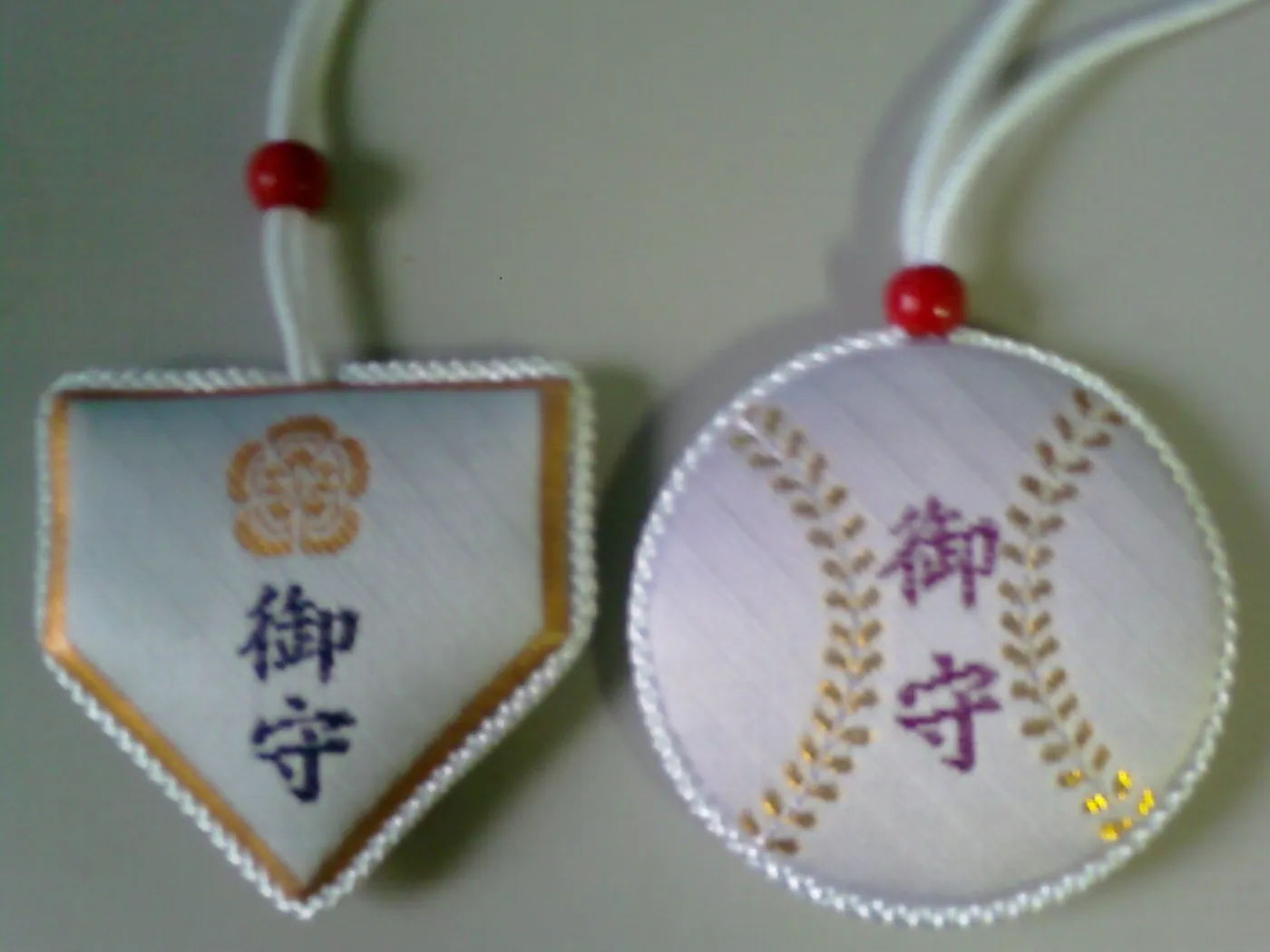 Omamoriお守り
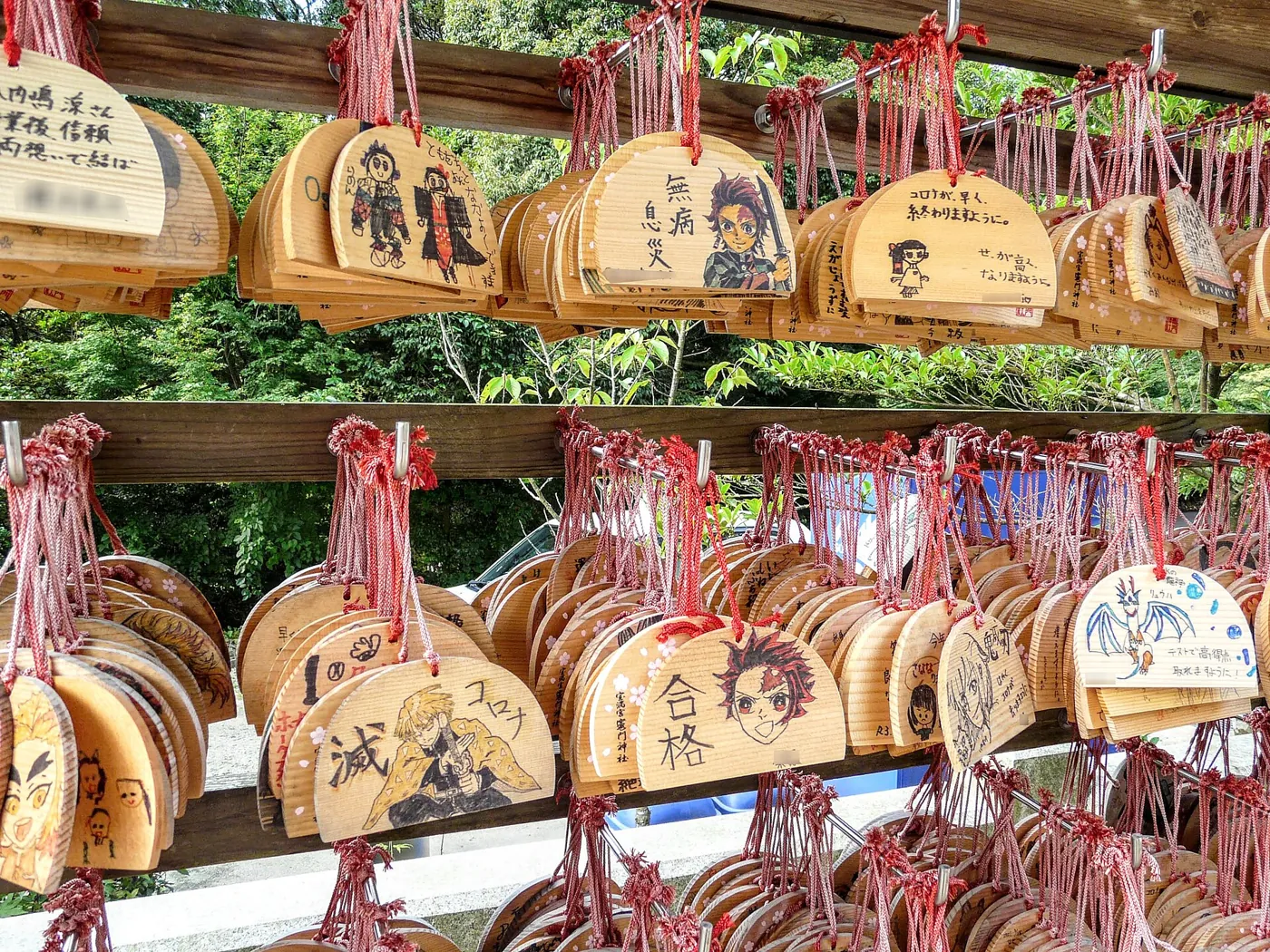 Ema絵馬
Getting there
Hotels in Yamaguchi
Ad: we may earn a commission if you book through these links, at no extra cost to you.
More temples in Yamaguchi
Open the scanner and compare →