Konpirasha Enseiji Temple 円政寺
Official explanation
Enseiji Temple was founded in 1254 in Yamaguchi as the main place of worship for the Ōuchi clan, a family that was powerful during the Warring States period (1467–1568). The Ōuchi were ousted from their position in western Honshū by the Mōri family, who made Enseiji their primary place of worship. In 1604, when the Mōri moved their capital to Hagi, they had the temple relocated to a site near Hagi Castle. During the mid-nineteenth century, the temple was recorded in a guidebook to famous places in Hagi, the Yae hagi meisho zue, which noted its prominence among the region’s places of worship.
Enseiji is affiliated with Shingon Buddhism, but it also has a Shinto deity enshrined within its precincts. Konpira is the guardian deity of seafarers, navigation, and fishermen. Although rare today, the practice of shared sacred space was not uncommon prior to the Meiji era (1868–1912). The torii gate at the front of the temple is another indication of how tightly the two religions were entwined.
Read the full explanation
The outer eaves of the Konpira shrine hall are decorated with carvings of the 12 animals of the Chinese zodiac. Above the entrance is a massive tengu (red-faced goblin) mask. Created in 1838, it is connected to a local story about Takasugi Shinsaku (1839–1867). As a young child, Shinsaku is said to have been brought to stand before its fearsome visage to learn to overcome his fear. Shinsaku grew up to be one of the samurai leaders who worked to overthrow the Tokugawa shogunate in the 1860s. He was implicated in the December 12, 1862 attack on the British legation in Edo, and the following year he recruited commoners and samurai into a new, mixed unit called the Kiheitai. He died from tuberculosis at age 28—a year before the fall of the shogunate in 1868.
Inside the shrine hall are ema votive tablets and a particularly notable mirror. The Konpira Daigongen Ōkagami is a large (1.25 meters in diameter) cloisonné-backed ornamental mirror dating to 1822. It was once stolen from the temple and had to be bought back, at considerable expense, when it surfaced at a Tokyo auction house in 2006.
Next to the shrine hall stands a wooden statue of a divine horse, or shinme, in a stable. The structure and carving were created by Yasunaga Sadaemon (dates unknown), in 1820. The 3-meter-high stone lantern in the shrine yard is the largest in Yamaguchi prefecture and features exquisite relief carvings depicting a dragon and scenes from the Chinese classics. Designed with earthquakes in mind, it stands on five stone bearings that shift during a temblor to ensure the lantern stays upright.
Another child who regularly visited the temple was Hayashi Risuke (1841–1909), the son of the temple priest’s cousin whose father had been adopted into a low-ranking samurai family. At the age of 11, he studied reading and calligraphy at the temple for a year and a half while performing menial chores. Later, Risuke would change his name to Itō Hirobumi and become Japan’s first prime minister. The wooden school rucksack that the prime minister used as a child is among the temple’s treasures.
In more recent years, the temple appeared as a location in the 2004 NHK historical drama Shinsengumi! and is featured in a two-part episode of the anime series Case Closed, also known as Detective Conan. In the episode, the temple’s massive stone lantern provides a vital clue to solving the mystery.
Address: 6 Minami Furuhagimachi, Hagi, Yamaguchi
Telephone: 0838-22-3031
Hours: 8:00 a.m. to 5:00 p.m. (daily)
Admission fee: ¥200
Access: 3-minute walk west of Hagi Central Park
Google Maps link: here
出典: 地域観光資源の多言語解説文データベース(観光庁) — www.mlit.go.jp/tagengo-db. この英語解説文は観光庁の地域観光資源の多言語解説整備支援事業で作成しました。
Source: Japan Tourism Agency, Multilingual Explanation Database. This English text was produced by the Japan Tourism Agency's multilingual explanation project and is shown unedited. Opening hours and services may have changed since it was written.
旅Hiroshima & Miyajima tours
Live prices and reviews from GetYourGuide. Many tours can be cancelled for free — check each listing.
See all Hiroshima & Miyajima tours →
Ad: we may earn a commission if you book through these links, at no extra cost to you.
Things you may see here
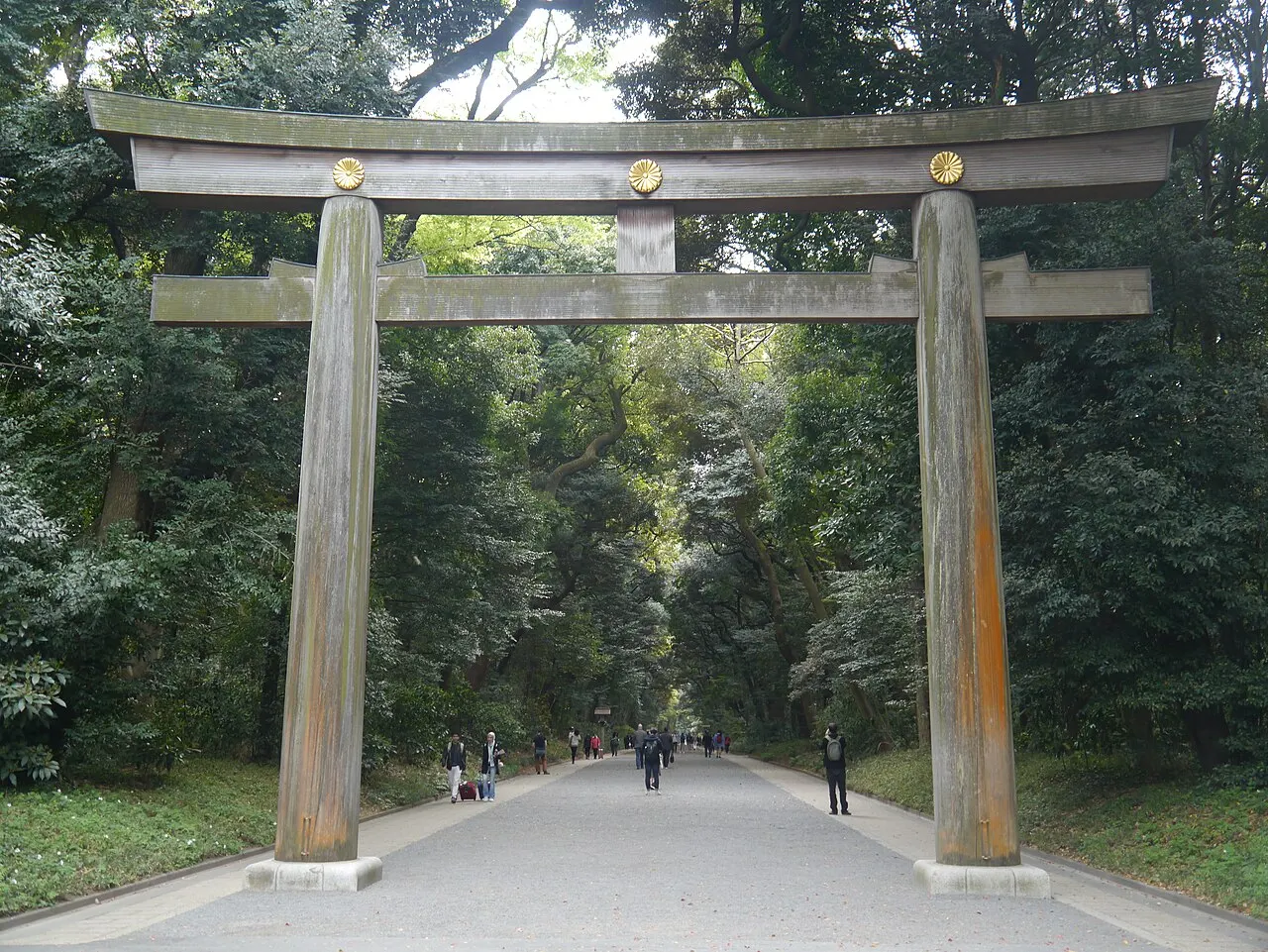 Torii gate鳥居
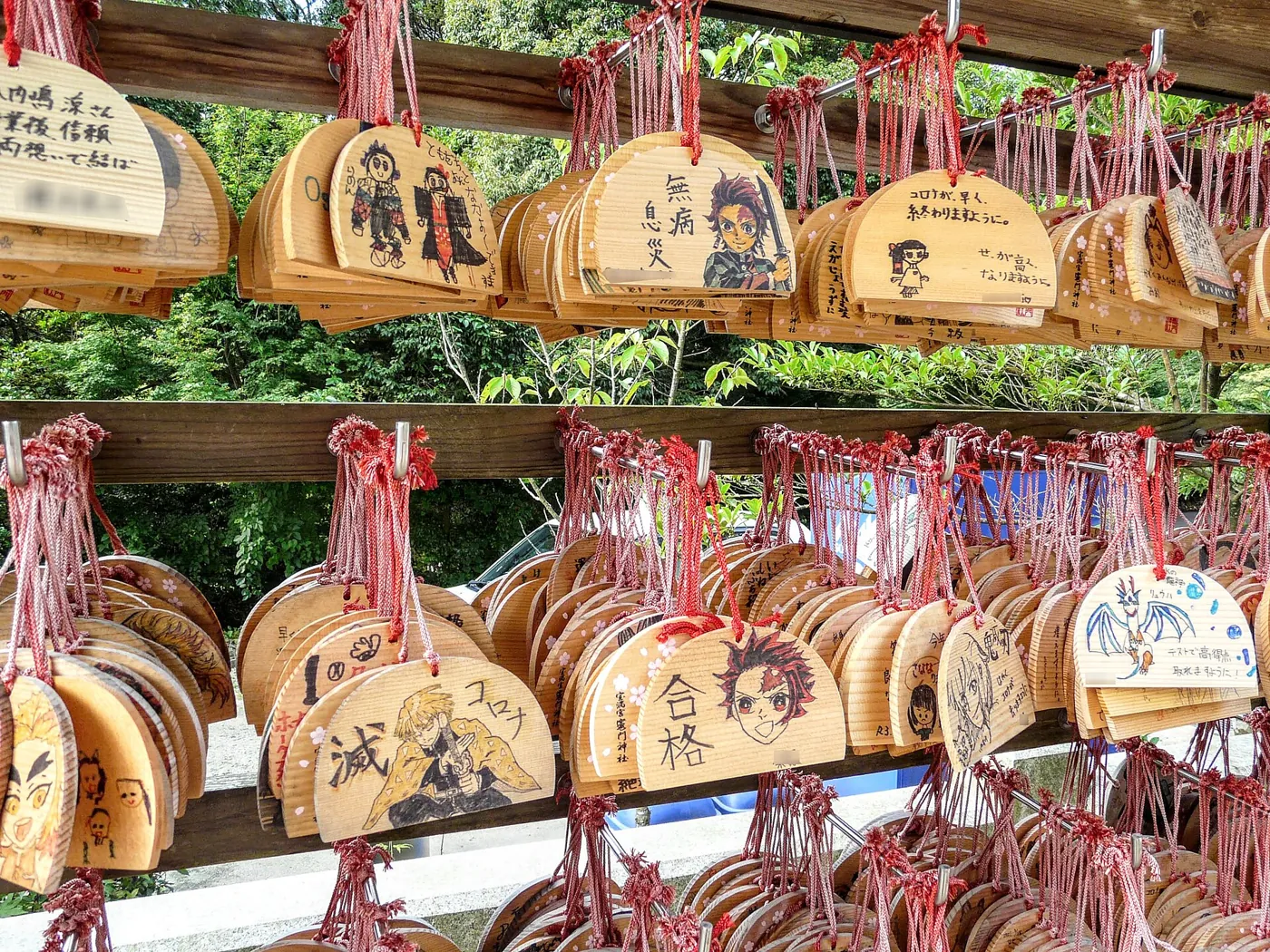 Ema絵馬
Getting there
Hotels in Yamaguchi
Ad: we may earn a commission if you book through these links, at no extra cost to you.
More temples in Yamaguchi
Open the scanner and compare →