Teradomari Shrine and Temple Stamp Pilgrimage 寺泊神社仏閣御朱印巡り
Official explanation
Collecting Shrine and Temple Stamps
Shrine and temple stamps issued by religious institutions across Japan are called goshuin (“crimson seals”). Historically, the stamps were given to pilgrims as recognition of an act of religious devotion, but today many people make a hobby of collecting them or take them as souvenirs. Though there is some variation in style, goshuin usually feature a large crimson seal stamped over calligraphy recording the name of the site, the date, and occasionally an auspicious phrase, prayer, or poem hand-written in black ink. The seals are collected in a dedicated book called a goshuincho (“crimson seal book”).
Read the full explanation
Goshuin originally served as proof that a pilgrim had copied a sutra and dedicated it to a temple or shrine. Sutra copying is considered an act that accrues merit and therefore helps ensure favorable rebirth; people would have their seal books burned with their bodies after death. Those who were unable to copy sutras themselves could pay the institution to have one copied on their behalf. Over time, donating money in return for a seal became more common than sutra copying, and today many shrines and temples offer goshuin. Institutions with many subsidiary shrines or temples, historical monuments, or seasonal attractions may sell a different goshuin for each. Prices generally range from ¥300 to ¥1,000 per seal.
Pure Land Buddhist Seals
Temples that belong to the True Pure Land school of Buddhism do not typically offer goshuin. With the popularity of the practice increasing in recent years, certain Pure Land temples now provide hogoin (“sermon seals”) instead. These feature calligraphy of various Buddhist teachings and phrases rather than the usual institution name and stamp inked on a goshuin.
Collecting Stamps in Teradomari
From the late twelfth to the early fourteenth century, many temples favored by the ruling samurai class flourished in Kamakura, the seat of shogunal power in what is now Kanagawa Prefecture. Teradomari was once known as the “Kamakura of the North” because of the number of temples there. As a port town, it was a common stop for trading ships and people traveling on the Hokkoku Kaido, a road that connected the southeastern Kanto region to the Sea of Japan. This contributed greatly to the spread of culture and religion in the area. Over the years, many Buddhist temples were founded in Teradomari on one of the town’s main roads, and a Shinto shrine dedicated to the guardian of the land overlooks them from a hill facing the sea.
Though much of the area has changed over the centuries, approximately 1 kilometer of the road through Teradomari retains its traditional townscape. Scattered among homes and shops are various torii gates, stone stairs, and wooden gates leading to Teradomari’s Shirayamahime Jinja Shrine and 10 Buddhist temples. This stretch is perfect for visitors who wish to explore the various institutions and collect stamps along the way.
After paying respects at the main sanctuary or hall, visitors may bring their goshuincho to the shrine or temple office to request their seal. Currently, five shrines and temples in Teradomari offer goshuin or hogoin seals to visitors. Some require a reservation to ensure staff will be available to write the seal, so be sure to consult the information below to ensure a smooth stamp pilgrimage.
Shomyoji Temple (Goshuin)
Phone Number: 0258-75-2301
Hours: 8:00 a.m. to 12:00 p.m., 1:00 p.m. to 5:00 p.m.
Parking: Available
Note: It is recommended to call ahead and ask about staff availability. Sutra copying is available with a reservation.
Shirayamahime Shrine (Goshuin)
Phone Number: 0258-86-8758
Hours: 8:00 a.m. to 5:00 p.m.
Parking: Available
Note: It is recommended to call ahead and ask about staff availability. If no one is available, fill out the form by the shrine office, put the money in an envelope, and insert the envelope into the shrine offering box. The goshuin will be mailed at a later date. (Only available to addresses within Japan.)
Hofukuji Temple, Soshido (Goshuin)
Phone Number: n/a
Hours: 8:00 a.m. to 5:00 p.m.
Parking: Available
Note: Seals are only available during the Tsuwabuki Festival, which is held annually from mid-October to early November. Pre-written seals will be placed on a tray in front of the raised platform where priests sit when performing rituals. After praying, place ¥300 in the temple offering box and reach in to take a seal.
Shotokuji Temple (Goshuin)
Phone Number: 0258-75-2029
Hours: 9:00 a.m. to 5:00 p.m.
Parking: Available
Note: It is recommended to call ahead and ask about staff availability.
Yosenji Temple (Hogoin)
Phone Number: 0258-75-2210
Hours: 10:00 a.m. to 3:00 p.m.
Parking: Available
Note: Reservations are required to receive a seal, so please call ahead. If staff are not available, it may be possible to mail a hogoin to a Japanese address at a later date. Please inquire when you visit the main hall.
出典: 地域観光資源の多言語解説文データベース(観光庁) — www.mlit.go.jp/tagengo-db. この英語解説文は観光庁の地域観光資源の多言語解説整備支援事業で作成しました。
Source: Japan Tourism Agency, Multilingual Explanation Database. This English text was produced by the Japan Tourism Agency's multilingual explanation project and is shown unedited. Opening hours and services may have changed since it was written.
旅Tōhoku tours
Live prices and reviews from GetYourGuide. Many tours can be cancelled for free — check each listing.
Ad: we may earn a commission if you book through these links, at no extra cost to you.
Things you may see here
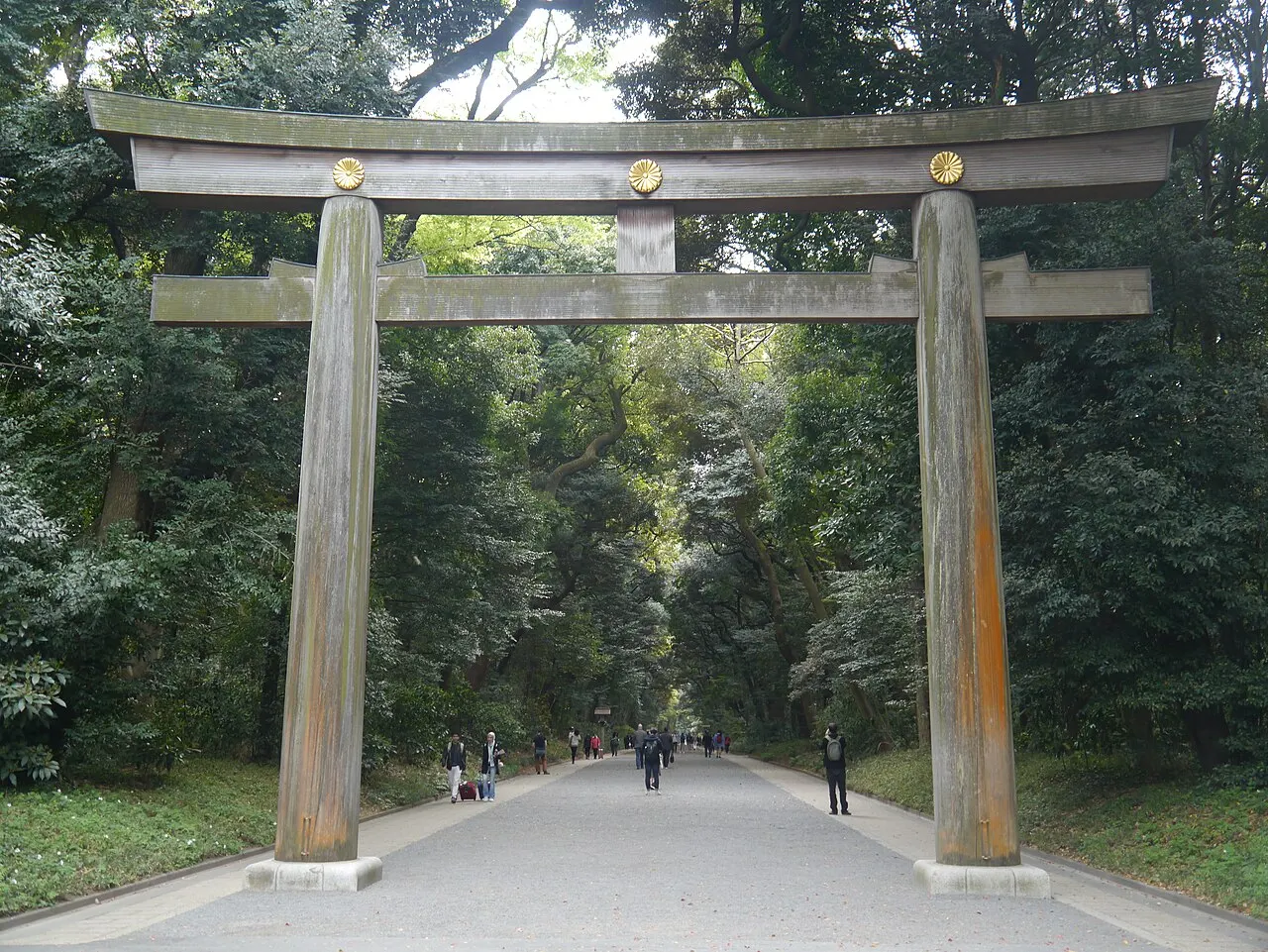 Torii gate鳥居
Getting there
Hotels in Niigata
Ad: we may earn a commission if you book through these links, at no extra cost to you.
More shrines in Niigata
Open the scanner and compare →