Shirayamahime Jinja Shrine: Votive Tablets for Safety at Sea 白山媛神社:船絵馬
Official explanation
Kitamaebune Trading Ships
Teradomari was once a prosperous port town frequently visited by kitamaebune (north-bound ships). These merchant ships sailed the coastal route on the northern side of Honshu Island between Osaka and Hokkaido from the middle of the Edo period (1603–1867) to the early twentieth century. Traveling from the Seto Inland Sea to the Sea of Japan and back, kitamaebune would make stops at various ports to buy and sell local products such as herring and kelp from the north and clothing, sake, sugar, and salt from the west. Kitamaebune ships traded at every stop, carrying goods on both outbound and return journeys. This generated higher profits than the route previously followed by vessels that transported cargo from Osaka to Edo (present-day Tokyo) along the Pacific coast, which made the return trips with empty holds. The kitamaebune maritime trade stimulated the development of port towns, brought prosperity to shipping merchants, and greatly contributed to cultural exchange around the country.
Read the full explanation
The Tradition of Funa-ema
Though the rewards of owning or serving on a kitamaebune could be great, so were the risks. It was not uncommon for the small ships to be sunk in storms, run aground because of their proximity to the coast, or lose cargo and profits due to damage or delays. Because of this, it became tradition to offer up a type of votive tablet (ema) to local shrines in order to pray for the safety of the ships and their crews. These votive tablets were called funa-ema (“ship ema”). They usually featured a painting of a specific vessel, its name, the names of owners or crew, the size of the ship, and the date of the offering.
Since Shirayamahime Shrine enshrines deities associated with maritime safety, it was the most popular place in Teradomari to offer funa-ema. Over the years, many tablets were hung there by sailors, their families, and boat owners hoping for safe journeys on the unpredictable sea. These tablets were later moved from display in the shrine hall to a dedicated space on the grounds for preservation.
The Funa-ema Storage Hall at Shirayamahime Shrine
Shirayamahime Shrine has 52 funa-ema in its collection, approximately half of which are on display at any one time. The oldest of the tablets was dedicated in 1774 for a ship called the Ehomaru, and the most recent was dedicated in 1889 for a ship called the Takasagomaru. The collection is a designated Important Tangible Folk Cultural Property. It is noted for its size and how clearly it illustrates the evolution of kitamaebune ships throughout history.
Many of the funa-ema share similarities that demonstrate shifting trends and traditions. The paintings feature a kitamaebune ship at sea with sails unfurled and the crew visible at various places on or below deck. Some paintings show the crew wearing robes emblazoned with a crest associated with their ship. The simpler tablets have only sky as a background, but more elaborate tablets depict the coastline with details such as homes, lighthouses, torii gates, or shrine buildings. The distinctive roofs of many of the shrine buildings identify them as belonging to Sumiyoshi Taisha Shrine, a large Shinto shrine in Osaka that was widely associated with prayers for maritime safety. A close look at the tablets reveals the nail holes from when they were displayed in the shrine hall.
Visitors who wish to enter the Funa-ema Storage Hall should contact the shrine in advance by phone to arrange a viewing. The entrance fee is ¥300 for adults and ¥200 for children.
出典: 地域観光資源の多言語解説文データベース(観光庁) — www.mlit.go.jp/tagengo-db. この英語解説文は観光庁の地域観光資源の多言語解説整備支援事業で作成しました。
Source: Japan Tourism Agency, Multilingual Explanation Database. This English text was produced by the Japan Tourism Agency's multilingual explanation project and is shown unedited. Opening hours and services may have changed since it was written.
旅Tōhoku tours
Live prices and reviews from GetYourGuide. Many tours can be cancelled for free — check each listing.
Ad: we may earn a commission if you book through these links, at no extra cost to you.
Things you may see here
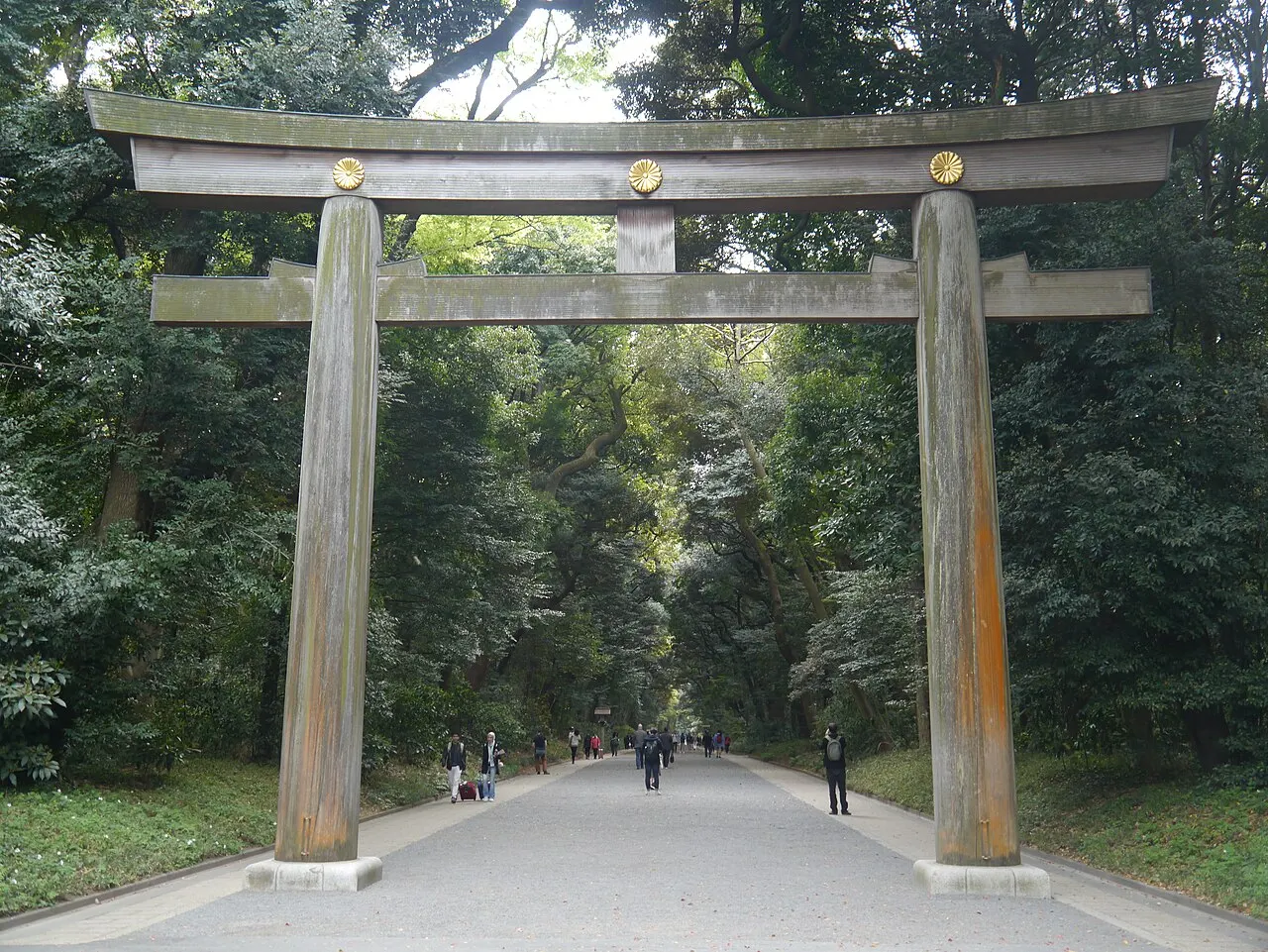 Torii gate鳥居
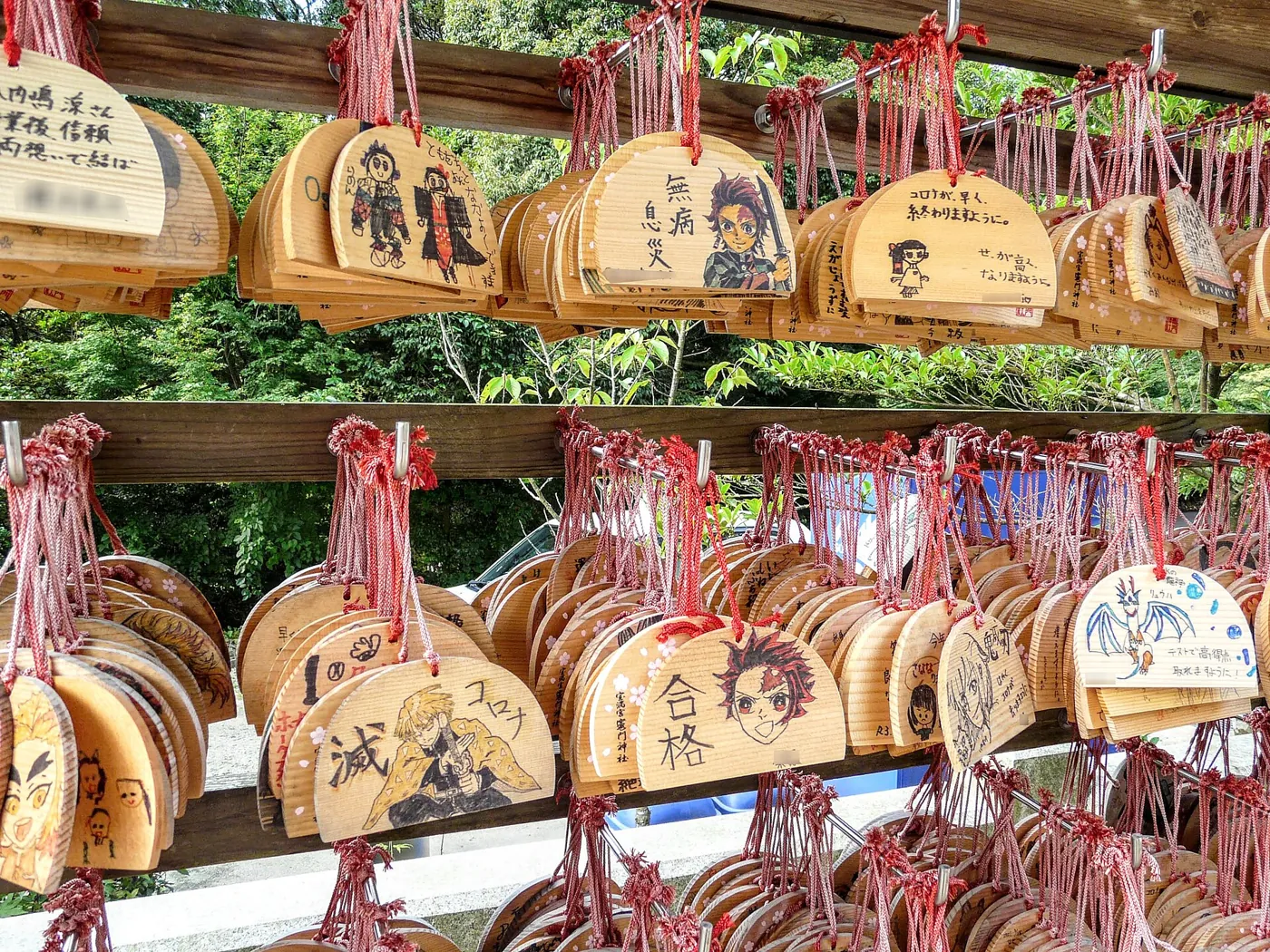 Ema絵馬
Getting there
Hotels in Niigata
Ad: we may earn a commission if you book through these links, at no extra cost to you.
More shrines in Niigata
Open the scanner and compare →