Komainu Guardian Statues 狛犬
Official explanation
The pair of stone komainu statues that stand near the second torii gate protects the grounds of the shrine from evil spirits. Komainu came to Japan from China with the introduction of Buddhism.
Typically, the statue on the right, considered a guardian lion, has its mouth open, as if pronouncing “a,” the first syllable of the Sanskrit alphabet. The statue on the left, considered a watchdog, is typically carved with a closed mouth, as if pronouncing “um,” the final syllable of the Sanskrit alphabet. Together, these two syllables form the sacred Sanskrit word “aum,” meaning the beginning and the end.
Read the full explanation
This “aum” feature can be seen at temples across Japan, including in the statues of two fierce warriors, or Nio, that are found in Niomon, Nio gates.
出典: 地域観光資源の多言語解説文データベース(観光庁) — www.mlit.go.jp/tagengo-db. この英語解説文は観光庁の地域観光資源の多言語解説整備支援事業で作成しました。
Source: Japan Tourism Agency, Multilingual Explanation Database. This English text was produced by the Japan Tourism Agency's multilingual explanation project and is shown unedited. Opening hours and services may have changed since it was written.
旅Nara tours
Live prices and reviews from GetYourGuide. Many tours can be cancelled for free — check each listing.
Ad: we may earn a commission if you book through these links, at no extra cost to you.
Things you may see here
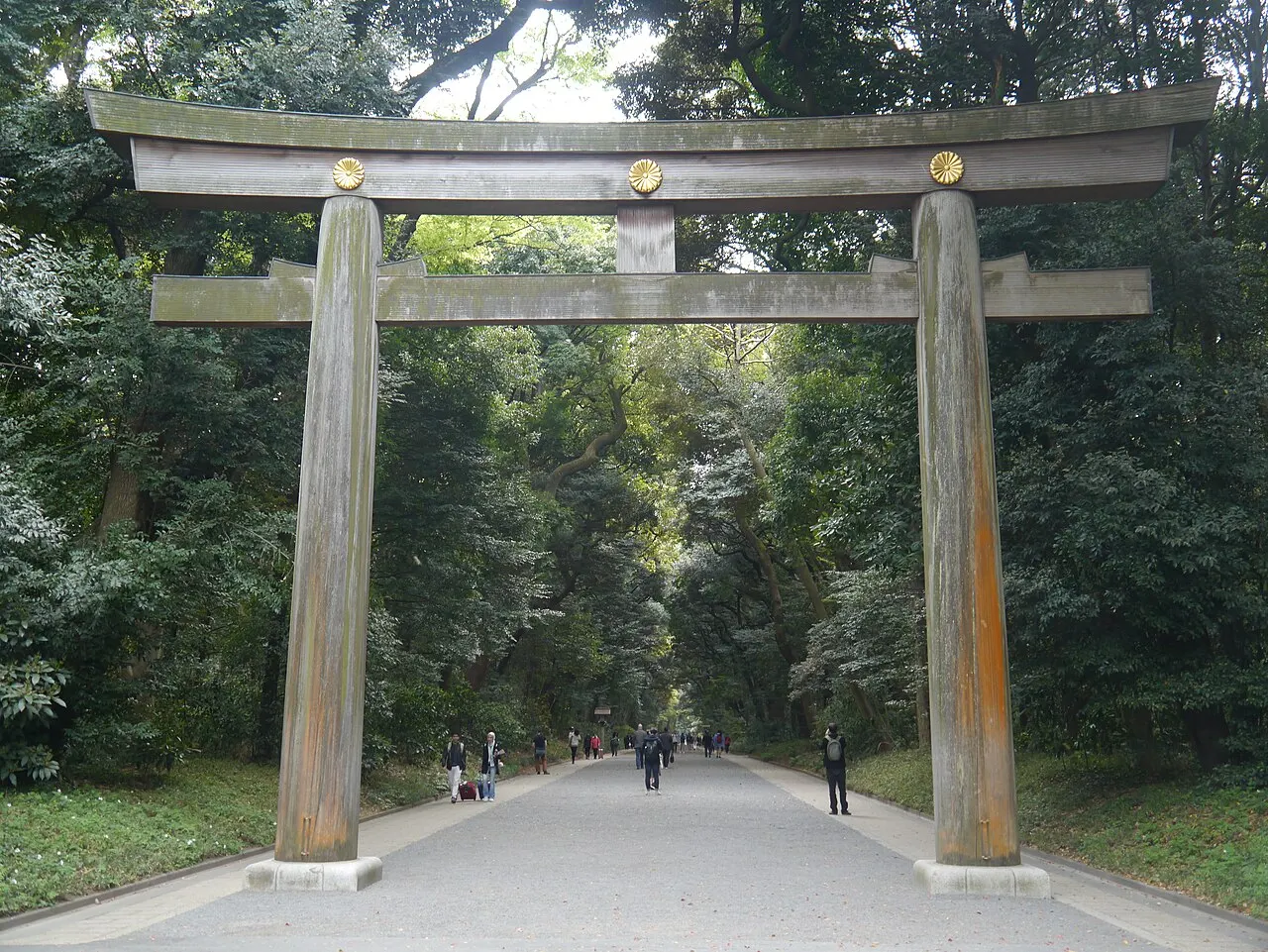 Torii gate鳥居
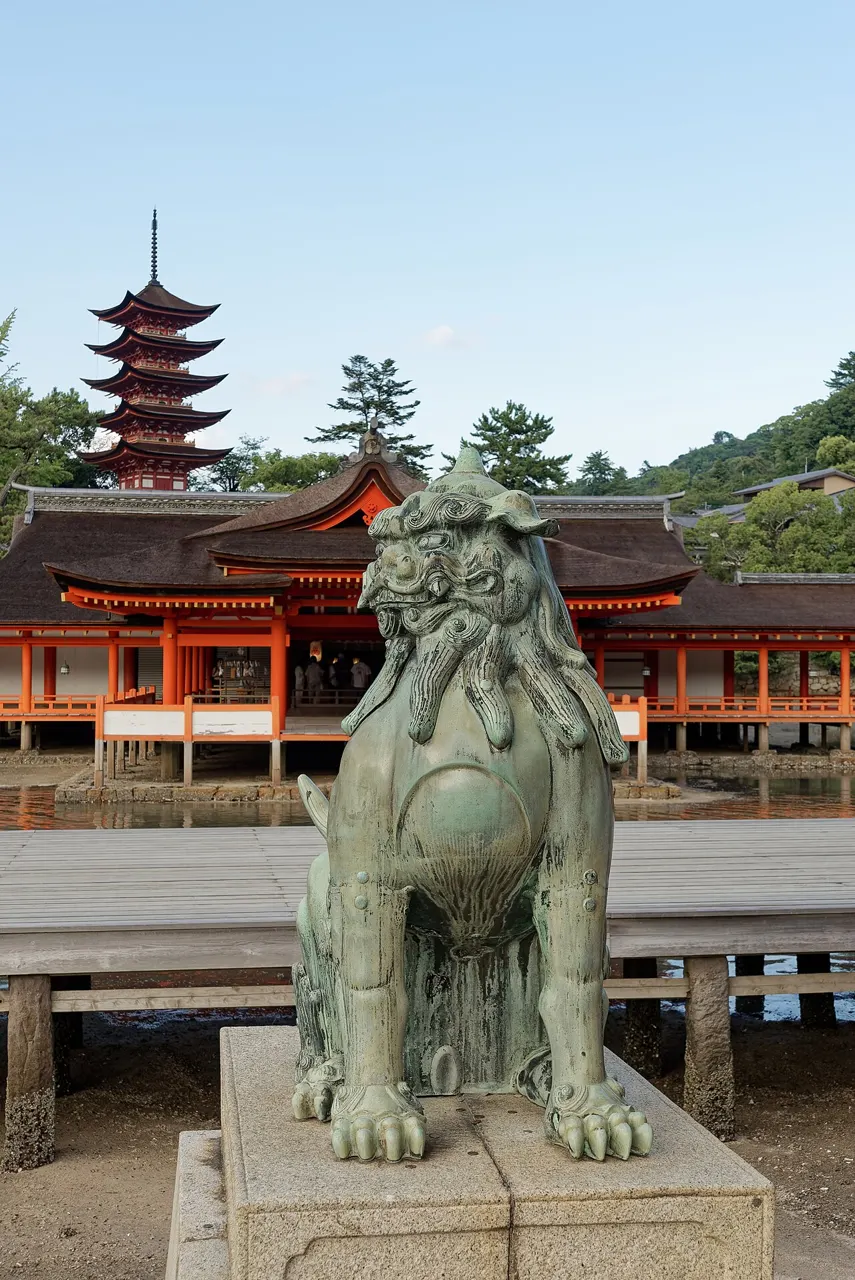 Komainu狛犬
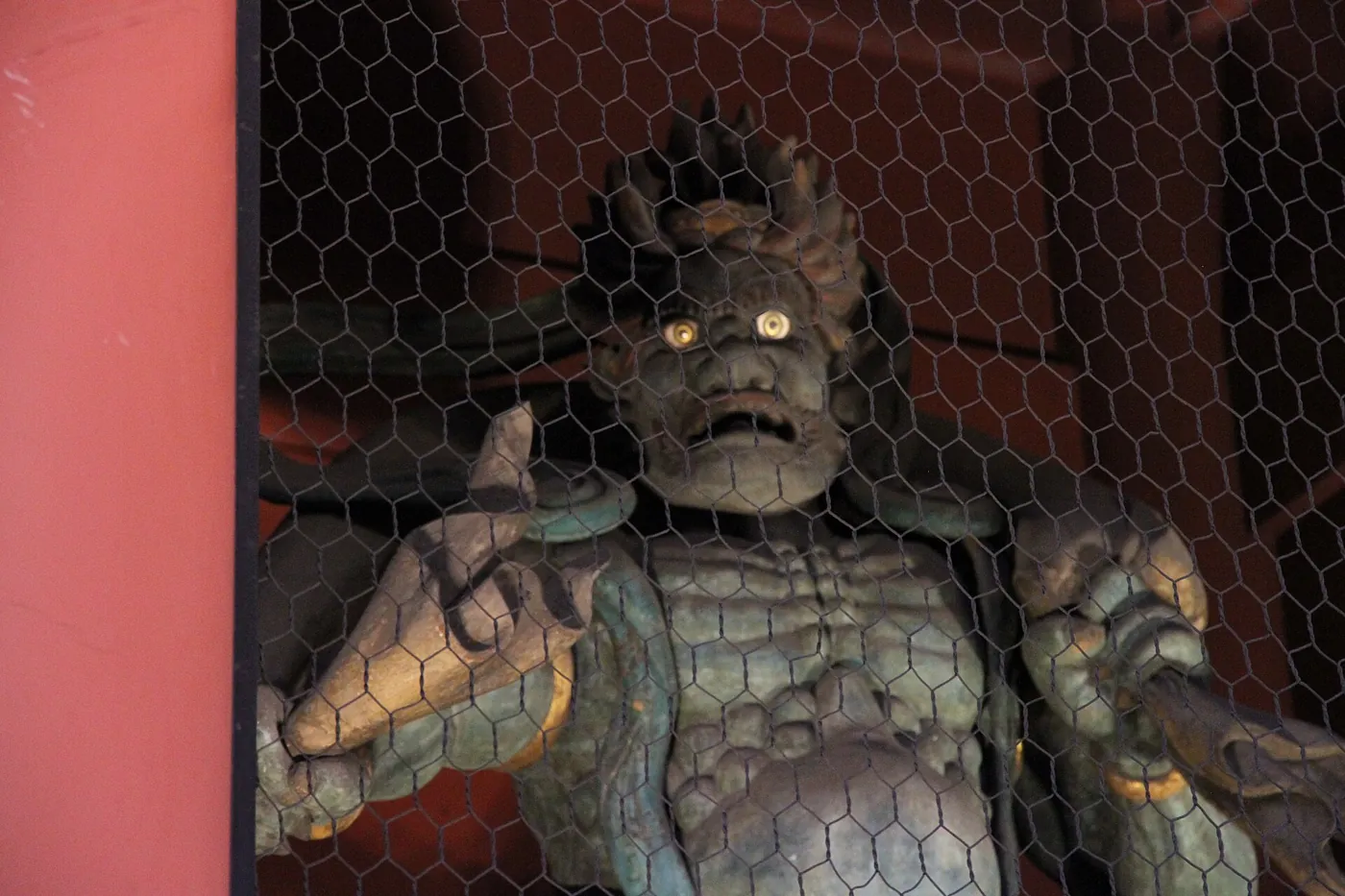 Niō仁王
Treasure hunts nearby
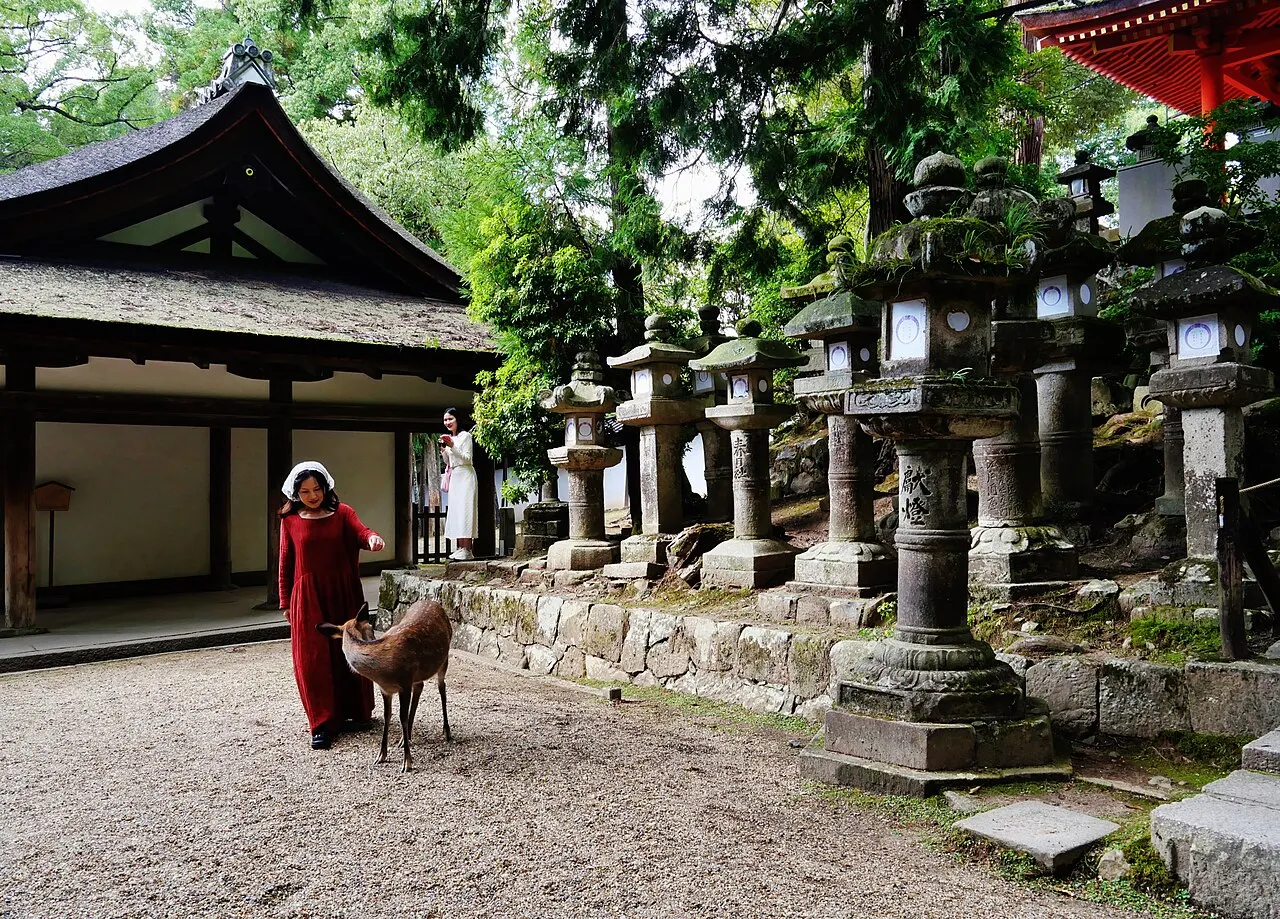
Getting there
Hotels in Nara
Ad: we may earn a commission if you book through these links, at no extra cost to you.
More sites in Nara
Open the scanner and compare →