Kushima Inari Shrine 玖島崎稲荷神社
Official explanation
A tunnel of vermilion torii gates marks the entrance to Kushima Inari Shrine, which dates from 1480. The shrine was established following the return of lord Omura Sumikore (dates unknown) after he regained control of his lands in a battle with the rival Arima family.
The shrine deity is Inari, the god of rice, agriculture, and prosperity. The wooden halls of the shrine are painted vermillion, and the main worship hall is protected by two fox statues, said to be messengers of the Inari deity.
Read the full explanation
The shrine stands in the innermost bailey of Kushima Castle, where the Omura family residence was located. Most of the original structures within the bailey were destroyed shortly after the rule of the Tokugawa shoguns ended in 1867. With the restoration of political power to the emperor, Japan began a process of modernization under the new Meiji government, and reminders of the shogunate, including many castles, were demolished.
出典: 地域観光資源の多言語解説文データベース(観光庁) — www.mlit.go.jp/tagengo-db. この英語解説文は観光庁の地域観光資源の多言語解説整備支援事業で作成しました。
Source: Japan Tourism Agency, Multilingual Explanation Database. This English text was produced by the Japan Tourism Agency's multilingual explanation project and is shown unedited. Opening hours and services may have changed since it was written.
旅Kyūshū tours
Live prices and reviews from GetYourGuide. Many tours can be cancelled for free — check each listing.
Ad: we may earn a commission if you book through these links, at no extra cost to you.
Things you may see here
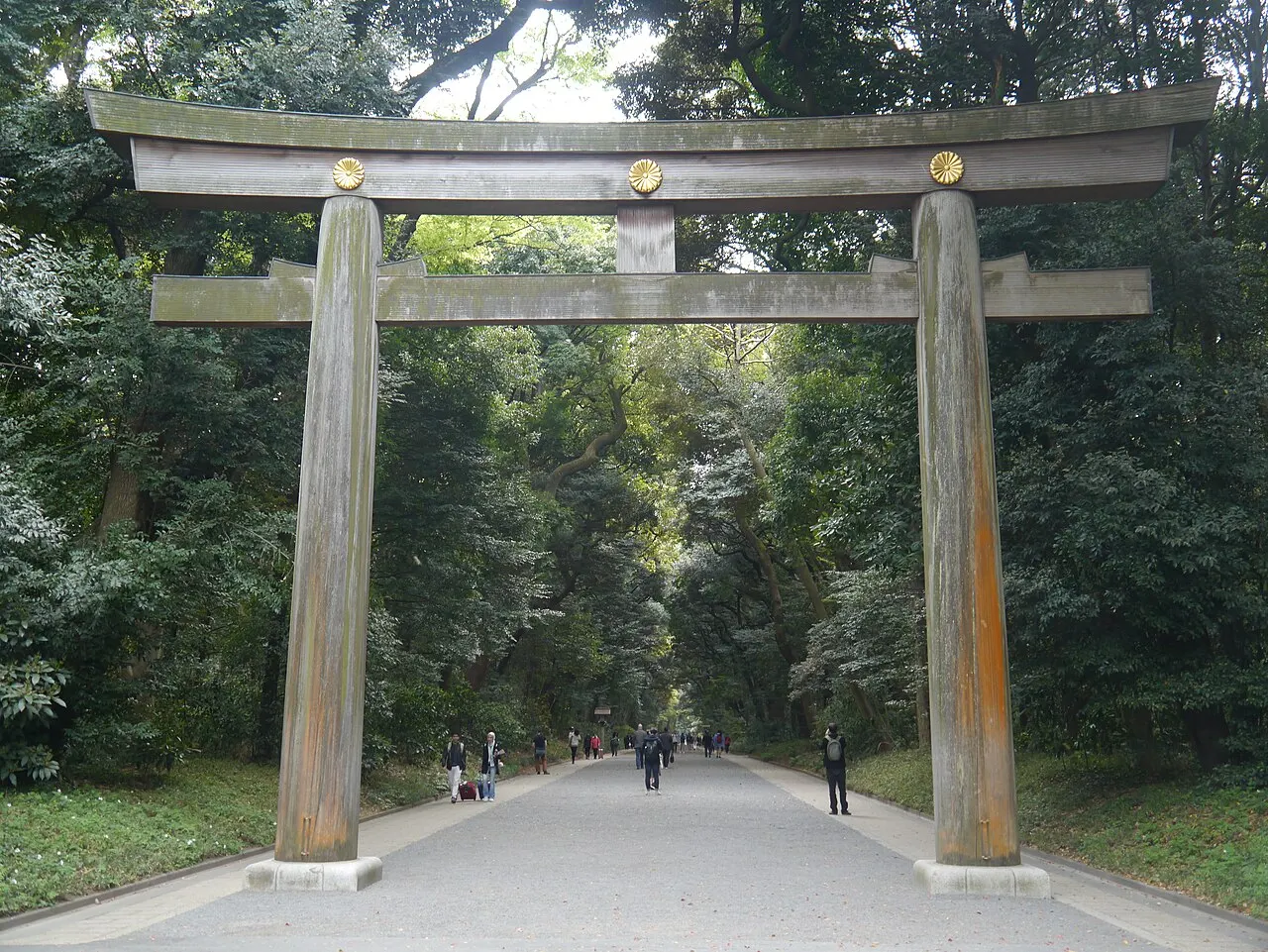 Torii gate鳥居
 Inari foxes稲荷の狐
Getting there
Hotels in Nagasaki
Ad: we may earn a commission if you book through these links, at no extra cost to you.
More shrines in Nagasaki
Open the scanner and compare →