Audio Guide: Onsen-jinja Shrine 音声ガイド:温泉神社
Official explanation
After following the road north for several minutes, you will come to the center of town. Once you see a stone torii gate to your right, stop—you have reached Onsen-jinja Shrine.
Also known as Shimengū, the shrine was founded in 701 as a part of the same temple-shrine complex as Manmyōji. This is the head shrine of the Oshimen, four gods associated with Shinto who are worshipped across the Shimabara Peninsula as protectors of the region and its hot springs.
Read the full explanation
Shimengū was affected by another period of religious tension in Unzen. During the second half of the nineteenth century, the new Meiji government sought to undo the centuries of tradition by which Buddhist deities were interpreted as Shinto gods and worshipped together—often in the same place. Shimengū was forcibly separated from Manmyōji and given a new name to separate it from what was then seen as the “foreign” Buddhist influence.
After World War II, its original name was restored. The people who live in Unzen tend to also call the shrine by its nickname, Oshimen-san. The religious separation, however, was never resolved, and throughout Japan today, Shinto and Buddhism are seen as completely distinct traditions.
出典: 地域観光資源の多言語解説文データベース(観光庁) — www.mlit.go.jp/tagengo-db. この英語解説文は観光庁の地域観光資源の多言語解説整備支援事業で作成しました。
Source: Japan Tourism Agency, Multilingual Explanation Database. This English text was produced by the Japan Tourism Agency's multilingual explanation project and is shown unedited. Opening hours and services may have changed since it was written.
旅Kyūshū tours
Live prices and reviews from GetYourGuide. Many tours can be cancelled for free — check each listing.
Ad: we may earn a commission if you book through these links, at no extra cost to you.
Things you may see here
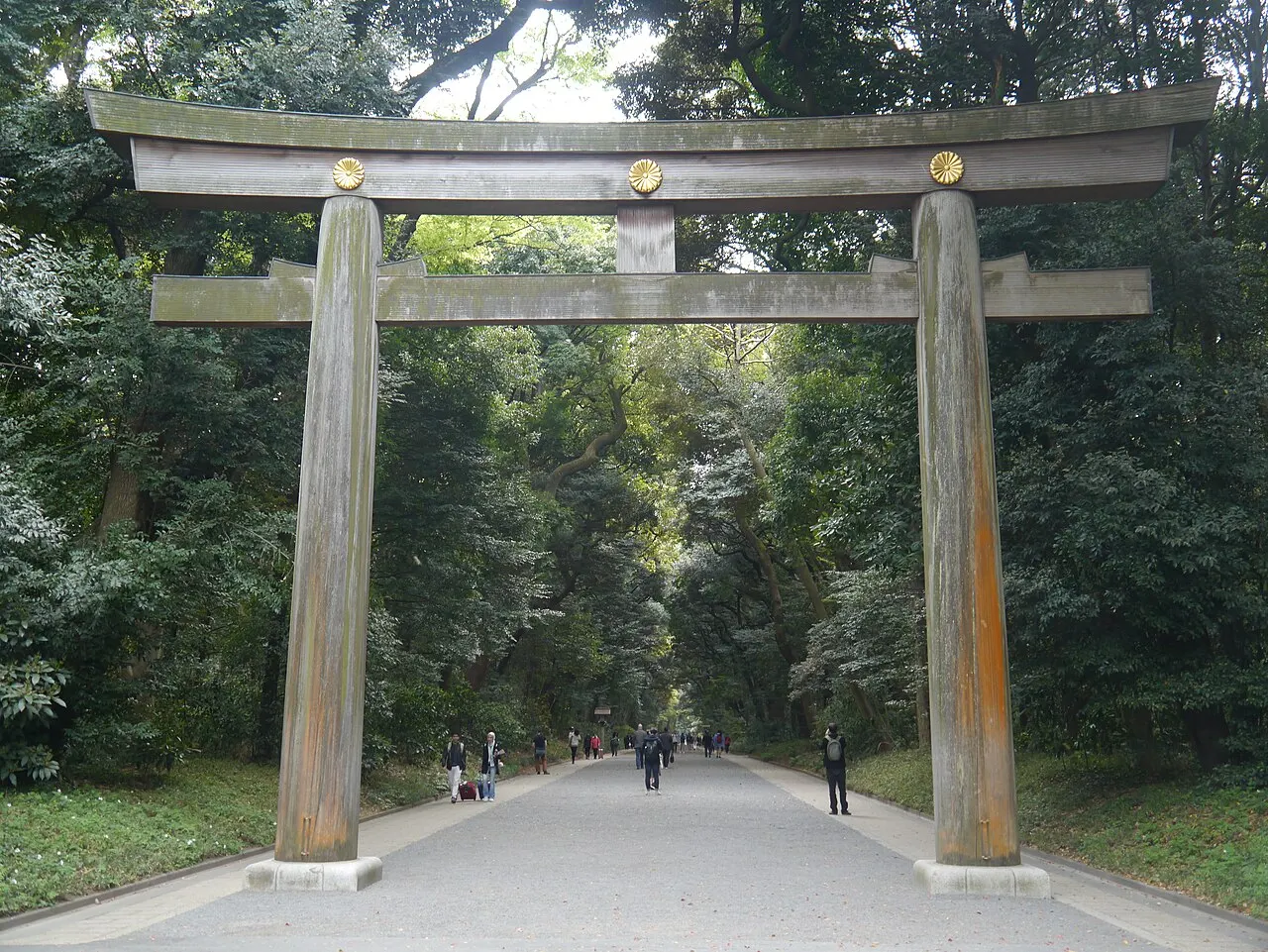 Torii gate鳥居
Getting there
Hotels in Nagasaki
Ad: we may earn a commission if you book through these links, at no extra cost to you.
More shrines in Nagasaki
Open the scanner and compare →