TITLE: Sannoin and Miyashiro Shrine タイトル:山王院・御社
Official explanation
Sannoin and Miyashiro Shrine are dedicated to Niu Myojin and Kariba Myojin, a pair of Shinto deities that were venerated in this area before the founding of Koyasan. After studying esoteric Buddhism in China, Kukai (774–835), popularly known by the posthumous name Kobo Daishi, returned to found Koyasan as a center for Shingon ascetic training, study, and worship. Before doing so, he asked permission from, and sought the protection of, the Japanese deities who inhabited this mountain. In response to Kobo Daishi’s prayers, the deity Kariba Myojin, a hunter-god, sent two dogs, one white and one black, to guide Kobo Daishi to the location where Koyasan should be established. As a sign of respect and gratitude, Kobo Daishi arranged for the construction of this shrine, which was originally established in 819. Kariba Myojin and Niu Myojin are also venerated at shrines in the Amano area, and priests from Koyasan travel there to pay respect to these deities in addition to conducting worship rituals and making offerings at Sannoin Shrine.
The deities enshrined here are believed to protect not only Koyasan but also the pilgrims and other worshippers who come to practice and study on this sacred mountain. The Miyashiro shrine consists of three primary buildings: one for Niu Myojin, another for Kariba Myojin, and a third shrine dedicated to a host of other Shinto deities. The shrines, which can be seen rising above the trees beyond the torii gate at the entrance to Miyashiro Shrine, feature traditional Shinto architecture, including roofs of hinoki (Japanese cypress) bark. The existing shrines date to 1522 and are designated an Important Cultural Property of Japan by the government.
Read the full explanation
The worship hall of Sannoin features a hip and gable roof covered with hinoki bark, and it was most recently rebuilt in 1845. Although the deities themselves are enshrined beyond the torii gate, worshippers pay respects to the deities at Sannoin, where rites on their behalf are performed regularly.
This shrine exemplifies the peaceful coexistence of the Shinto and Buddhist faiths in Japan. Throughout history, Japanese Buddhist temples have recognized and shown respect for the native Shinto deities inhabiting locations that are simultaneously revered as Buddhist holy sites.
出典: 地域観光資源の多言語解説文データベース(観光庁) — www.mlit.go.jp/tagengo-db. この英語解説文は観光庁の地域観光資源の多言語解説整備支援事業で作成しました。
Source: Japan Tourism Agency, Multilingual Explanation Database. This English text was produced by the Japan Tourism Agency's multilingual explanation project and is shown unedited. Opening hours and services may have changed since it was written.
旅Nagoya & Ise tours
Live prices and reviews from GetYourGuide. Many tours can be cancelled for free — check each listing.
Ad: we may earn a commission if you book through these links, at no extra cost to you.
Things you may see here
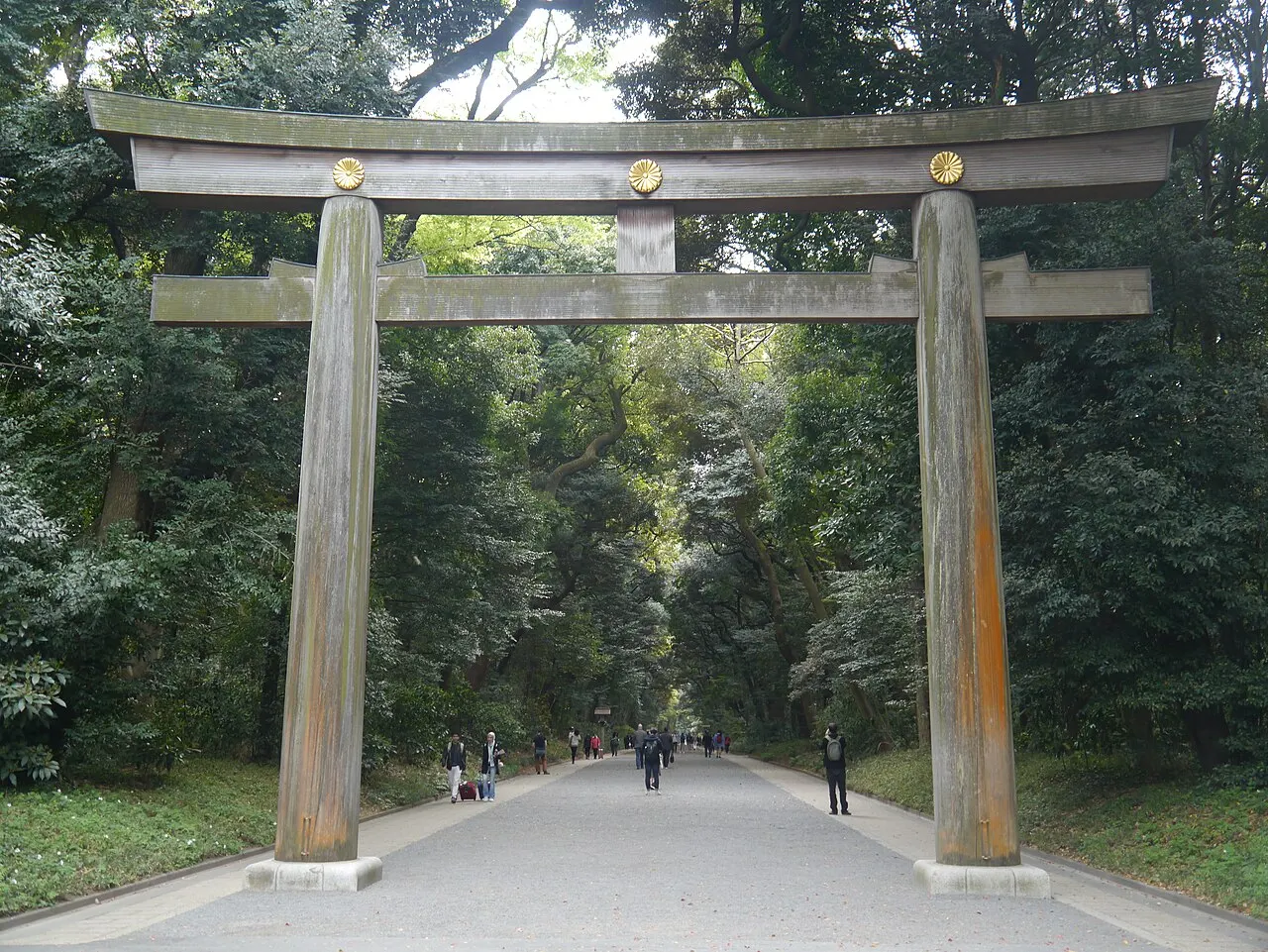 Torii gate鳥居
Getting there
Hotels in Mie
Ad: we may earn a commission if you book through these links, at no extra cost to you.
More temples in Mie
Open the scanner and compare →