Motoise Kono Jinja Shrine 元伊勢籠神社
Official explanation
Motoise Kono Jinja Shrine became the highest-ranking Shinto shrine in Tango Province (present-day northern Kyoto Prefecture) during the Nara period (710–794). It is closely affiliated with the famed Ise Jingu Shrine in Mie Prefecture. According to legend, Motoise Kono Jinja is where the deity of agriculture, Toyouke no Omikami, once resided. After the sun goddess Amaterasu Omikami departed the imperial palace in Nara, she stopped here before continuing on to Ise. Toyouke no Omikami later followed her there, and they are now both enshrined at Ise Jingu. Thus, this shrine is referred to as motoise, meaning the “former Ise.”
The architecture of the two shrines is very similar. The main sanctuaries are simple gable-roof buildings with forked finials projecting above the roof ridges to form an X shape. Unique flame-shaped jewel-like decorations (suedama) in five colors line the railings on the main sanctuaries of these very important shrines. Additionally, both Ise Jingu and Motoise Kono Jinja were rebuilt every 20 years. And while this ritual continues to this day at Ise Jingu, it ceased in the Kamakura period (1185–1333) at Motoise Kono Jinja.
Read the full explanation
Motoise Kono Jinja is in possession of Japan’s oldest existing genealogical record, the Amabe genealogy, which traces the imperial lineage from ancestral deities (kami) to the late ninth century. It has been designated a National Treasure, and is seldom displayed to the public. Two stone komainu guardian statues from the Kamakura period flank the shrine entrance.
Visitors to Amanohashidate have historically frequented the shrine, which is on the north end of the sandbar. The cable car station for Kasamatsu Park is located near the shrine grounds.
出典: 地域観光資源の多言語解説文データベース(観光庁) — www.mlit.go.jp/tagengo-db. この英語解説文は観光庁の地域観光資源の多言語解説整備支援事業で作成しました。
Source: Japan Tourism Agency, Multilingual Explanation Database. This English text was produced by the Japan Tourism Agency's multilingual explanation project and is shown unedited. Opening hours and services may have changed since it was written.
旅Kyoto tours
Live prices and reviews from GetYourGuide. Many tours can be cancelled for free — check each listing.
Ad: we may earn a commission if you book through these links, at no extra cost to you.
Things you may see here
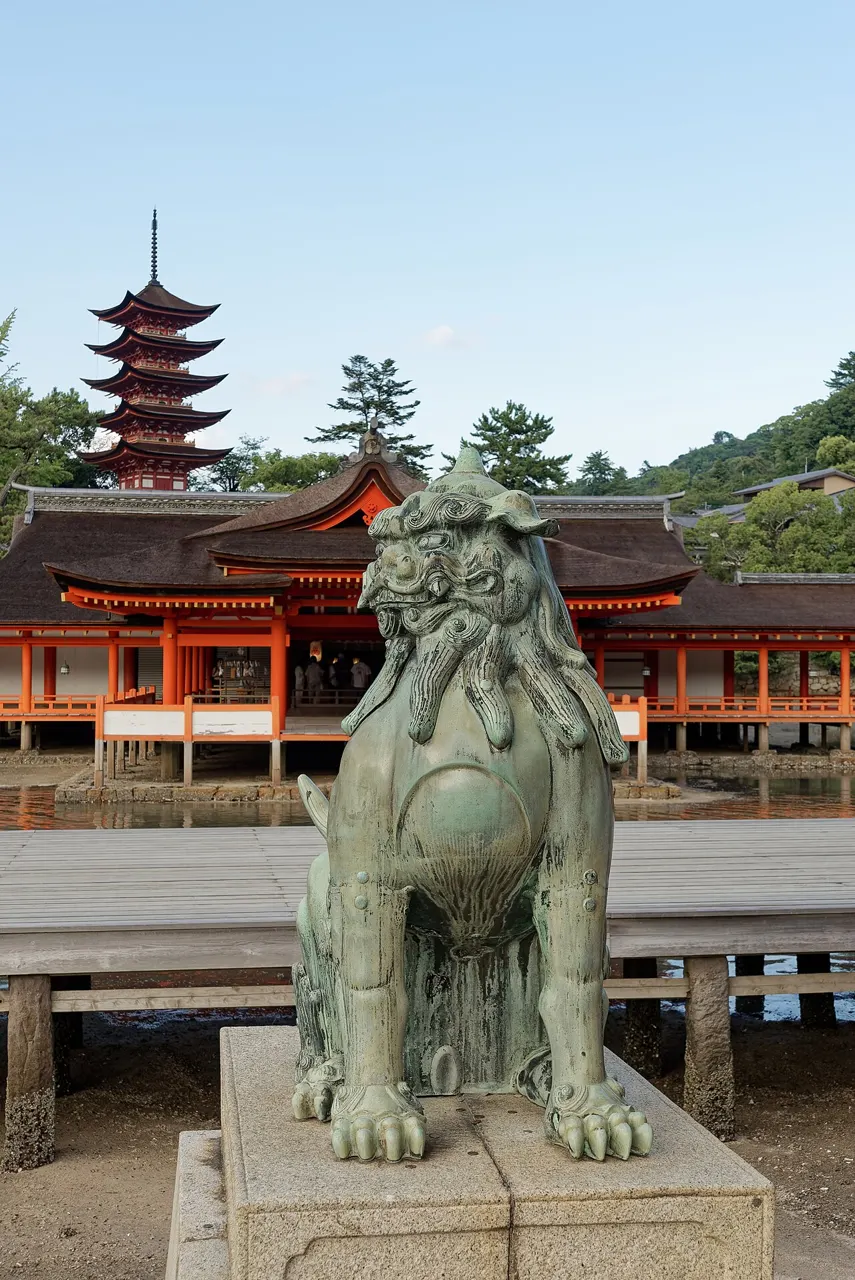 Komainu狛犬
Treasure hunts nearby

Getting there
Hotels near Kyoto Station
Ad: we may earn a commission if you book through these links, at no extra cost to you.
More shrines in Kyoto
Open the scanner and compare →