Gokōnomiya Shrine 御香宮神社
Official explanation
It is unclear exactly when Gokōnomiya Shrine was built, but its repair is mentioned in records from the Heian period (794–1185). Originally, it was known as Mimoro Shrine, but on September 9, 863, an event occurred that was to change its destiny: pure, cold spring water began to flow up out of the ground. When Emperor Seiwa (850–881) heard of this miraculous event, he ordered the shrine’s name changed to Gokōnomiya, meaning the “Shrine of Fragrant Water.” The spring dried up during the Meiji era (1868–1912) but was restored through local contributions in the early 1980s and in 1985 was chosen as one of “Japan’s 100 Remarkable Waters” by the Ministry of the Environment.
During the 1590s, when warlord Toyotomi Hideyoshi (1537–1598) built Fushimi Castle, he ordered the shrine moved to the northeast corner of the castle. In Japanese geomancy, northeast is known as the kimon, or demon gate, and shrines were often built in the northeast to fend off malevolent forces from that unlucky direction. In 1605, the shogun Tokugawa Ieyasu (1543–1616) had it moved back to its original and current position.
Read the full explanation
During the Battle of Toba-Fushimi (1868), the shrine was used as the headquarters of rebel forces from the Satsuma Domain, yet it somehow survived the fighting that devastated much of the surrounding town. The front of the small Tenmangū Shrine to the east of the main torii gate bears bullet holes from the battle.
The shrine’s main gate was taken from Fushimi Castle when it was demolished. Most of the current shrine buildings were built during the 1600s in the vibrant and colorful Momoyama style. Its main building features a splendid turquoise water motif that was impeccably restored in the 1990s. Beside it is the Emadō, which, being open to the elements, houses faded but beautiful ancient paintings. Gokōnomiya Shrine is still very popular locally, and Fushimi sake brewers pray here for good fortune in their business.
出典: 地域観光資源の多言語解説文データベース(観光庁) — www.mlit.go.jp/tagengo-db. この英語解説文は観光庁の地域観光資源の多言語解説整備支援事業で作成しました。
Source: Japan Tourism Agency, Multilingual Explanation Database. This English text was produced by the Japan Tourism Agency's multilingual explanation project and is shown unedited. Opening hours and services may have changed since it was written.
旅Kyoto tours
Live prices and reviews from GetYourGuide. Many tours can be cancelled for free — check each listing.
Ad: we may earn a commission if you book through these links, at no extra cost to you.
Things you may see here
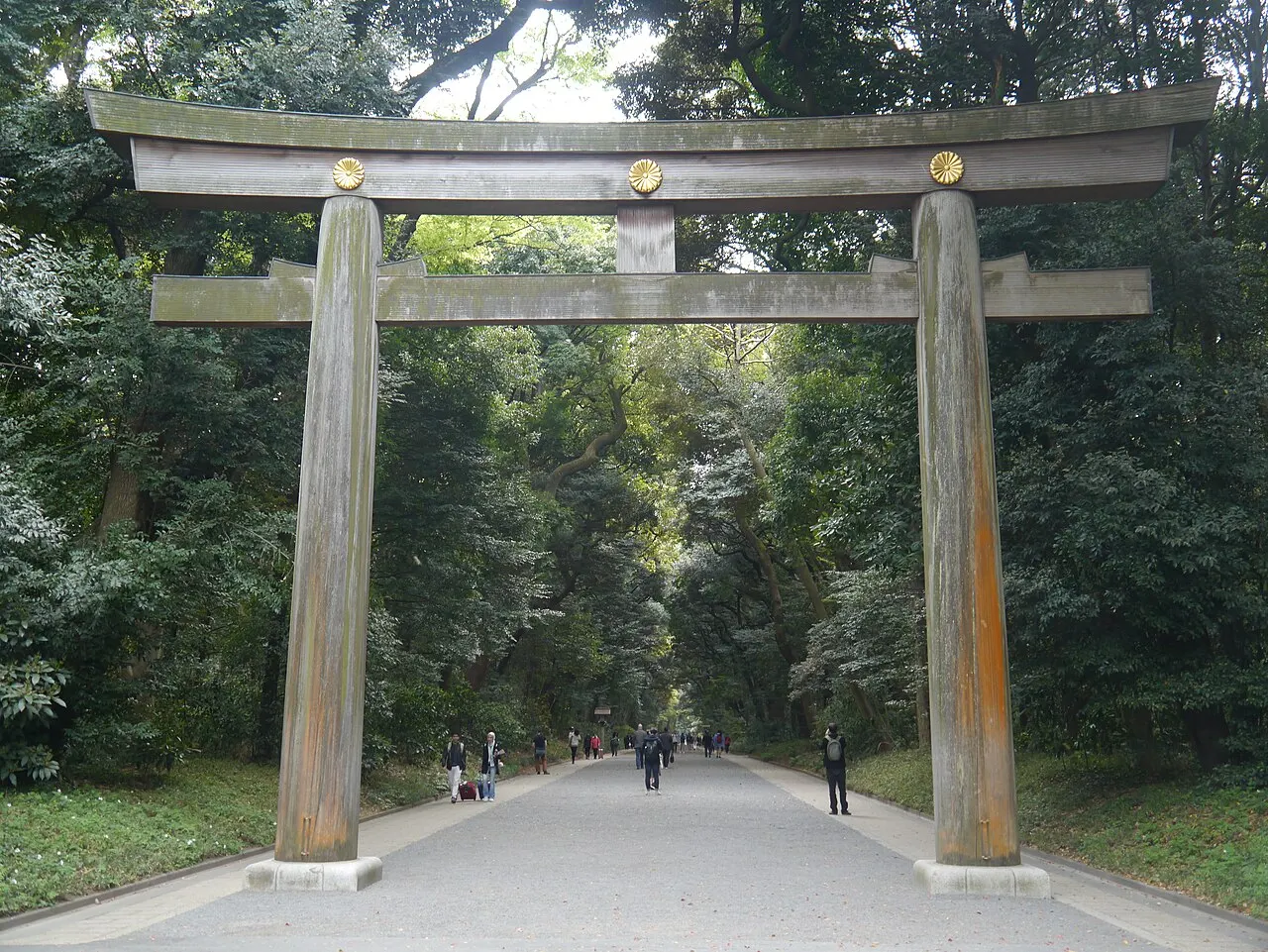 Torii gate鳥居
Treasure hunts nearby

Getting there
Hotels near Kyoto Station
Ad: we may earn a commission if you book through these links, at no extra cost to you.
More shrines in Kyoto
Open the scanner and compare →