Rites and Festivals of Aso Shrine 阿蘇神社の儀式と祭礼
Official explanation
The major festivals of Aso Shrine correspond to the seasons of the agricultural cycle: planting the rice in spring; fending off drought, excessive rain, excessive heat, and insect damage in summer; and thanking the deities after the harvest in autumn. In 1982, in recognition of their cultural significance, Aso’s agricultural festivals were designated an Important Intangible Folk-Cultural Property by the Agency for Cultural Affairs.
The shrine holds a “fire-swinging” festival (Hifuri-Shinji) in March, when torches made of reeds are swung around to celebrate the marriage of one of the shrine’s 12 deities to his wife (who is represented by the branches of a sacred tree brought from another local shrine). Their union is believed to usher in a good harvest.
Read the full explanation
The Onda Festival at the end of July is also dedicated to prayer for a good harvest. The shrine deities are taken on a tour of the local rice paddies in four portable shrines accompanied by the shrine priests on horseback, 14 women (known as unari) dressed from head to foot in white and bearing food offerings on their heads, and three local boys carrying stick figures topped with the heads of a man, a woman, and an ox. Spectators throw ripening ears of rice at the portable shrines. The more ears that stick onto the shrines’ roofs, the better the harvest will be.
In late September, the “festival of the fruit of the field” (Tanomi-sai) is held to celebrate the rice harvest. A display of horseback archery is dedicated to the deities.
In additional to rites focused specifically on agriculture, priests from Aso Shrine conduct a “crater-calming ritual” every year in early June. They chant a Shinto prayer and fling three wooden wands decorated with paper streamers down into the crater of the volcano as offerings to the three deities of Mt. Aso.
出典: 地域観光資源の多言語解説文データベース(観光庁) — www.mlit.go.jp/tagengo-db. この英語解説文は観光庁の地域観光資源の多言語解説整備支援事業で作成しました。
Source: Japan Tourism Agency, Multilingual Explanation Database. This English text was produced by the Japan Tourism Agency's multilingual explanation project and is shown unedited. Opening hours and services may have changed since it was written.
旅Kyūshū tours
Live prices and reviews from GetYourGuide. Many tours can be cancelled for free — check each listing.
Ad: we may earn a commission if you book through these links, at no extra cost to you.
Things you may see here
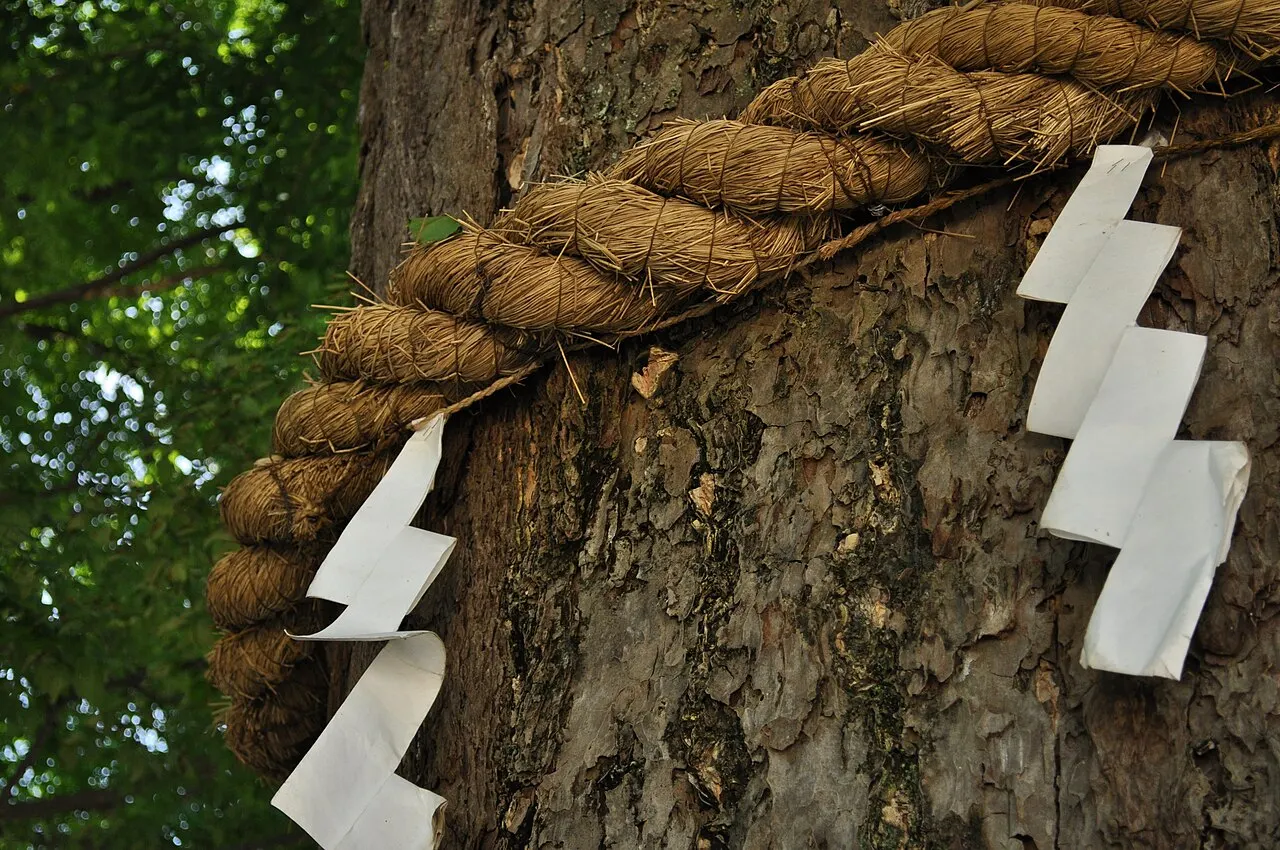 Sacred tree御神木
Getting there
Hotels in Kumamoto
Ad: we may earn a commission if you book through these links, at no extra cost to you.
More shrines in Kumamoto
Open the scanner and compare →