Shiratori Shrine 白鳥神社と神聖な宝物
Official explanation
Shiratori Shrine is said to have been founded over a thousand years ago by the priest Shoku (910–1007) after he was visited by an apparition while undergoing religious training in the Ebino Highlands. The apparition of the legendary prince Yamato Takeru instructed the priest to build a place of worship near the source of the Shiratori hot springs. Shoku founded Shiratori Shrine in 959.
The honden main hall was rebuilt toward the end of the Edo period (1603–1867), incorporating intricate makibashira ornamented pillars carved with dragons and clouds and other architectural details that preserve the particular blend of Buddhist and Shinto styles common to this region.
Read the full explanation
The shrine has strong ties to Todaiji Temple in Nara. Todaiji’s main hall has burned down twice to date. The last time it was rebuilt, approximately 320 years ago, a nationwide search was undertaken to find trees large enough for the long rainbow beams (koryo) needed to support the 3,020-ton roof of Todaiji’s Great Buddha Hall. After a 20-year search, the towering Japanese red pines growing on Shiratori Shrine grounds were selected, and they continue to bear their load to the present day.
Stone Statue of Yamato Takeru
The principal deity enshrined at Shiratori Shrine, Yamato Takeru, is an important figure in Japanese mythology. This stone carving was installed in 2012 to mark 1,300 years since the compilation of the Kojiki, Japan’s oldest chronicle, which recounts the life and adventures of Yamato Takeru. Depicting the hero who is thought to have brought peace to southern Kyushu, this statue honors his deep connection to the area.
The Sacred Cedar Tree, Shiratori Meoto Sugi
Located on a secluded path to the side of the main shrine building is a towering cedar tree with a diameter of 1.9 meters and a 6-meter circumference. Thought to be over 500 years old, the tree witnessed the last time Mt. Kirishima erupted in the late Muromachi period (1336–1573) and has been long revered as a sacred tree by the local people.
Projectile Dedicated to Bestowing Divine Protection
This monument was donated to the shrine during the Second Sino-Japanese War (1937–1945) for buun chokyu, or “continued luck in the fortunes of war.” The projectile weighs 80 kilograms, and it represents the burden that soldiers must bear on the battlefield to achieve victory. According to legend, it bestows divine protection on those able to lift it.
出典: 地域観光資源の多言語解説文データベース(観光庁) — www.mlit.go.jp/tagengo-db. この英語解説文は観光庁の地域観光資源の多言語解説整備支援事業で作成しました。
Source: Japan Tourism Agency, Multilingual Explanation Database. This English text was produced by the Japan Tourism Agency's multilingual explanation project and is shown unedited. Opening hours and services may have changed since it was written.
旅Kyūshū tours
Live prices and reviews from GetYourGuide. Many tours can be cancelled for free — check each listing.
Ad: we may earn a commission if you book through these links, at no extra cost to you.
Things you may see here
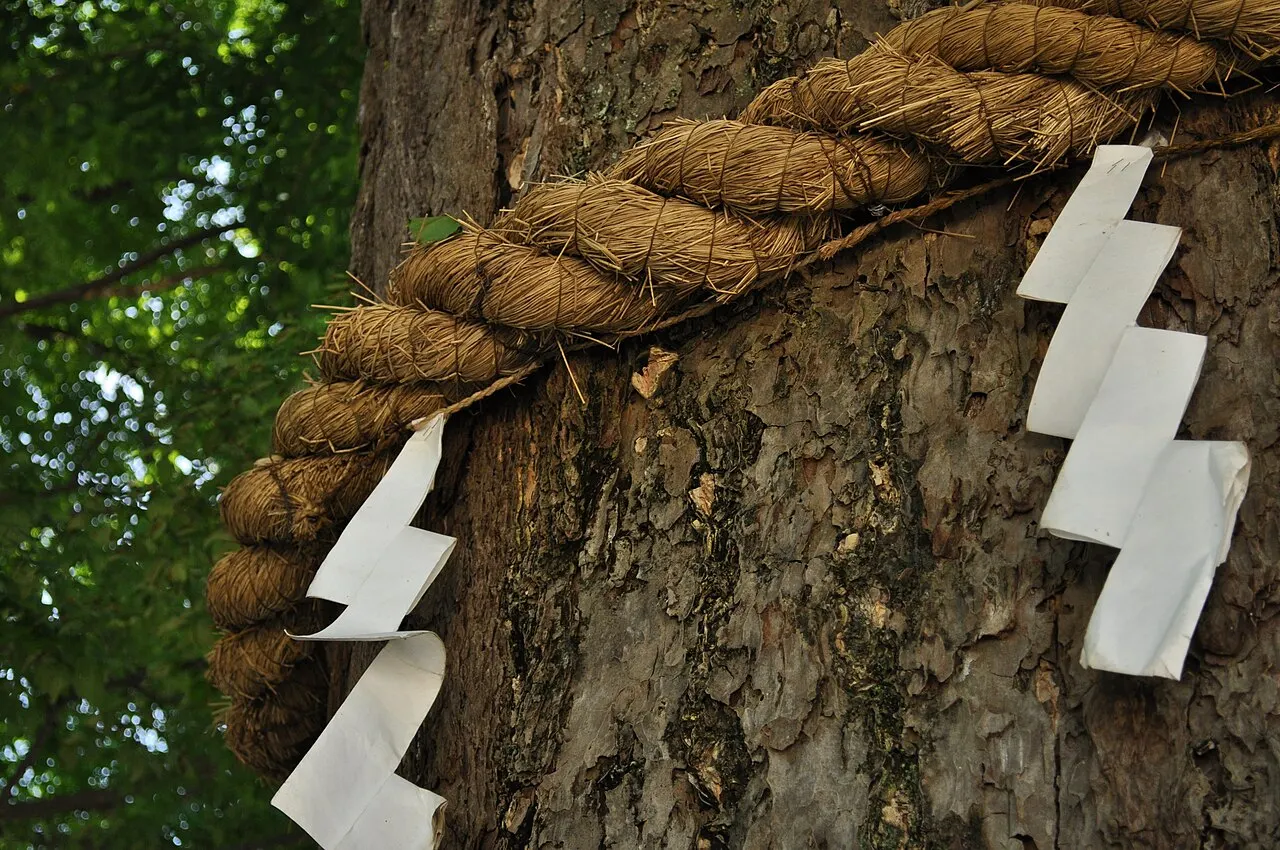 Sacred tree御神木
Getting there
Hotels in Kumamoto
Ad: we may earn a commission if you book through these links, at no extra cost to you.
More shrines in Kumamoto
Open the scanner and compare →