Jurinji Temple 十輪寺
Official explanation
In 815, when Buddhist monk, calligrapher, and poet Kobo Daishi traveled from Japan to China, he prayed to the bodhisattva Jizo for maritime safety, and during his voyage, received spiritual inspiration. After returning home, along with seven other temples, he founded Junrinji Temple as a place of prayer for the protection of the nation and the safety of navigation on the sea, in accordance with an imperial decree at that time.
The Niomon (gate of the guardian kings) at the main entrance to Junrinji Temple is built in the style of the Edo period (1603–1867). The two Nio guardian statues, often found flanking temple gates in Japan, are said to protect the property from threats both spiritual and material.
Read the full explanation
The hondo (main hall) is the largest wooden building in Takasago. It contains two Buddhist paintings: one, on silk, is an Important Cultural Property called Kenpon Chakushoku Gobutsusonzo. The other, a designated Prefectural Cultural Property called Amida Raigozu, portrays the Buddha Amida, a celestial Buddha of light and life said to welcome souls to paradise.
出典: 地域観光資源の多言語解説文データベース(観光庁) — www.mlit.go.jp/tagengo-db. この英語解説文は観光庁の地域観光資源の多言語解説整備支援事業で作成しました。
Source: Japan Tourism Agency, Multilingual Explanation Database. This English text was produced by the Japan Tourism Agency's multilingual explanation project and is shown unedited. Opening hours and services may have changed since it was written.
旅Himeji tours
Live prices and reviews from GetYourGuide. Many tours can be cancelled for free — check each listing.
Ad: we may earn a commission if you book through these links, at no extra cost to you.
Things you may see here
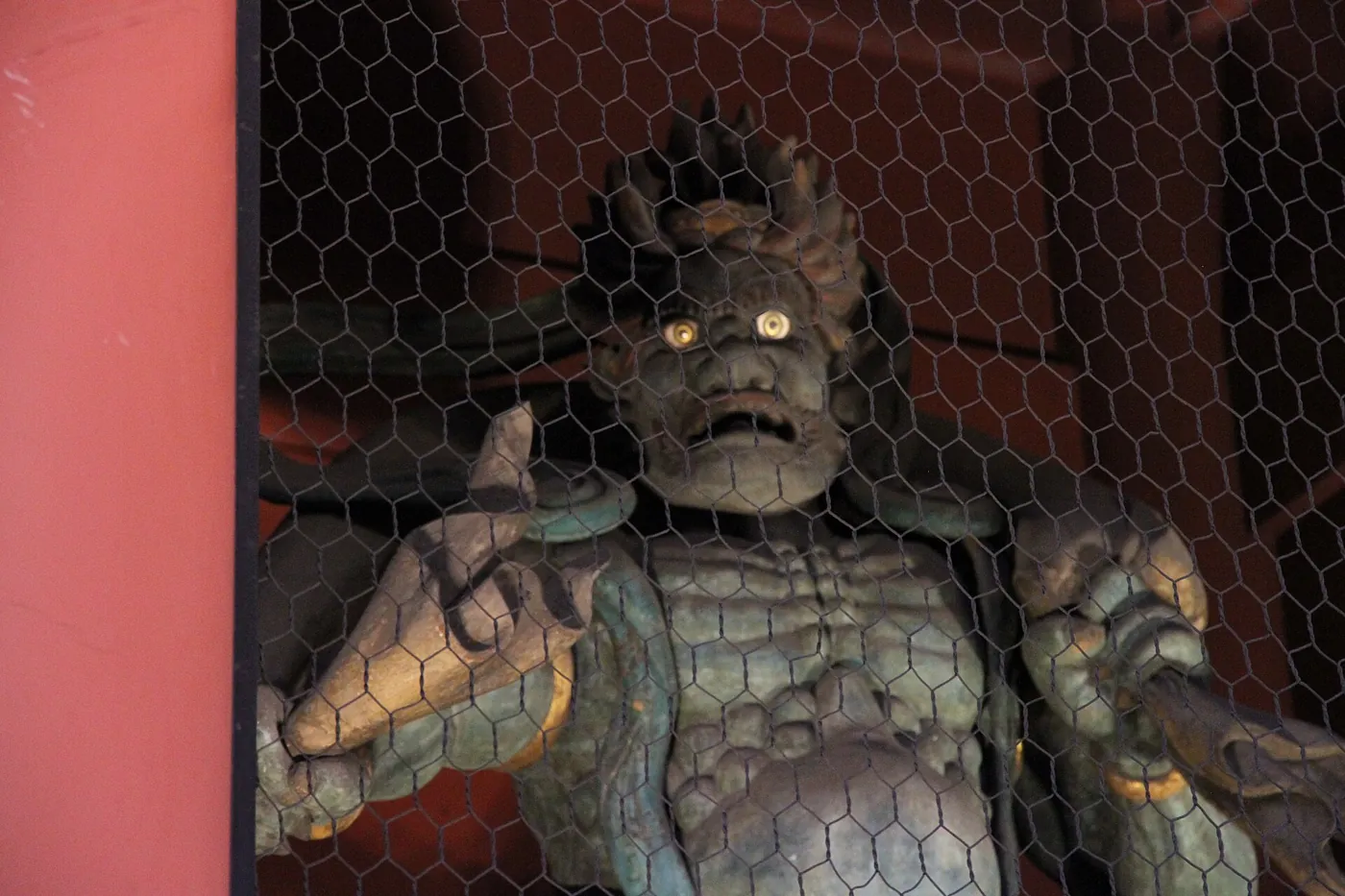 Niō仁王
Getting there
Hotels in Hyogo
Ad: we may earn a commission if you book through these links, at no extra cost to you.
More temples in Hyogo
Open the scanner and compare →