Hattō (Dharma Hall) 七堂伽藍(法堂)
Official explanation
The Hattō, or Dharma Hall, is used for daily morning services, sermons on the teachings of the Buddha, and for certain other important occasions. It has been rebuilt several times, most recently in 1843. The Hattō at Eiheiji Temple is notably one of the largest such halls that survives from the Edo period (1603–1867).
The hall’s main image is a statue of the bodhisattva Avalokiteshvara. The front altar is guarded by four white shishi (Chinese guardian lions), creatures believed to ward off evil spirits. The two shishi on the right have their mouths open, while the two on the left have their mouths closed. Together, these two pairs represent the first and last sounds of the Sanskrit alphabet, ah and un, which symbolize the beginning and end of all things. The open and closed mouths of the shishi also represent the two sides to Zen practice: the teachings of the Buddha are transmitted both through words (oral teaching) and through actions (the daily practice of Zen).
出典: 地域観光資源の多言語解説文データベース(観光庁) — www.mlit.go.jp/tagengo-db. この英語解説文は観光庁の地域観光資源の多言語解説整備支援事業で作成しました。
Source: Japan Tourism Agency, Multilingual Explanation Database. This English text was produced by the Japan Tourism Agency's multilingual explanation project and is shown unedited. Opening hours and services may have changed since it was written.
旅Kanazawa tours
Live prices and reviews from GetYourGuide. Many tours can be cancelled for free — check each listing.
Ad: we may earn a commission if you book through these links, at no extra cost to you.
Things you may see here
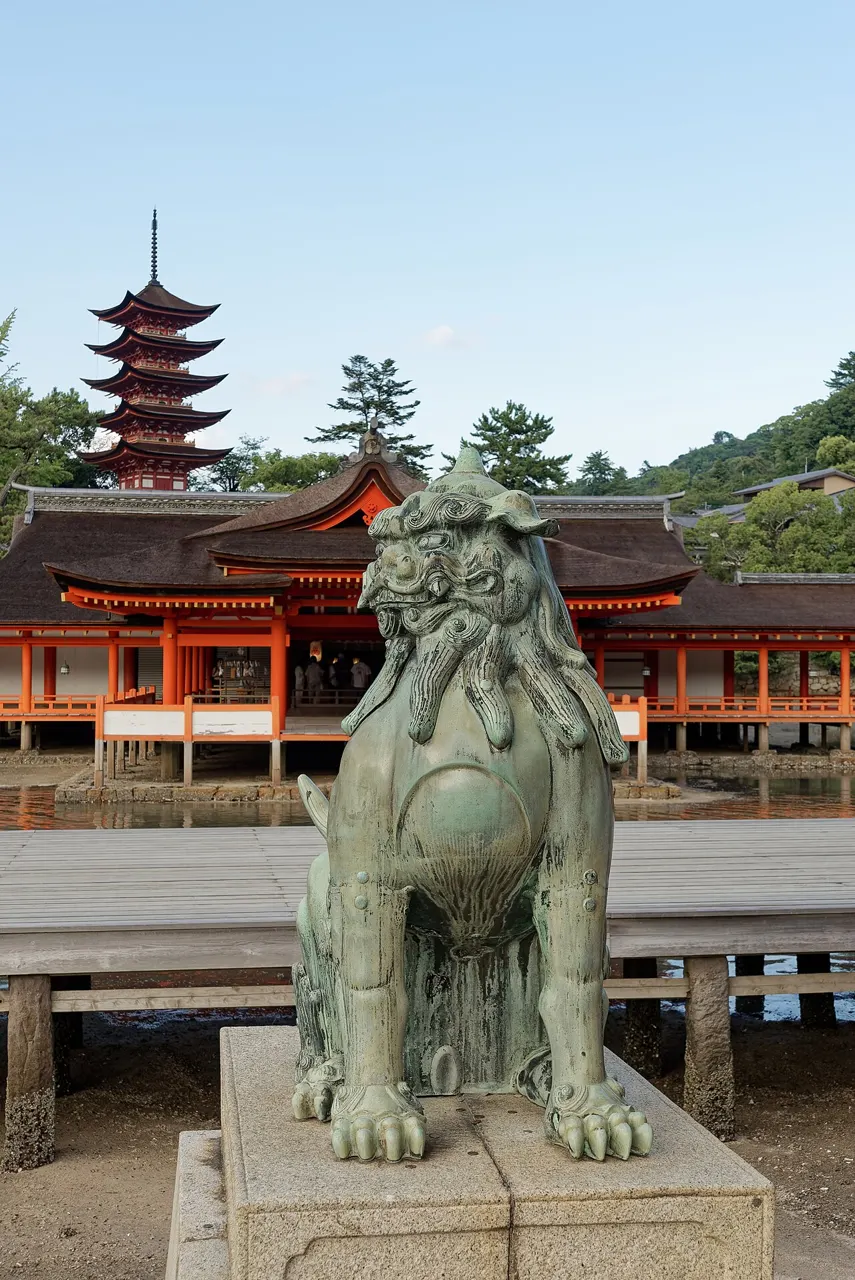 Komainu狛犬
Getting there
Hotels in Fukui
Ad: we may earn a commission if you book through these links, at no extra cost to you.
More temples in Fukui
Open the scanner and compare →