紙垂纸垂
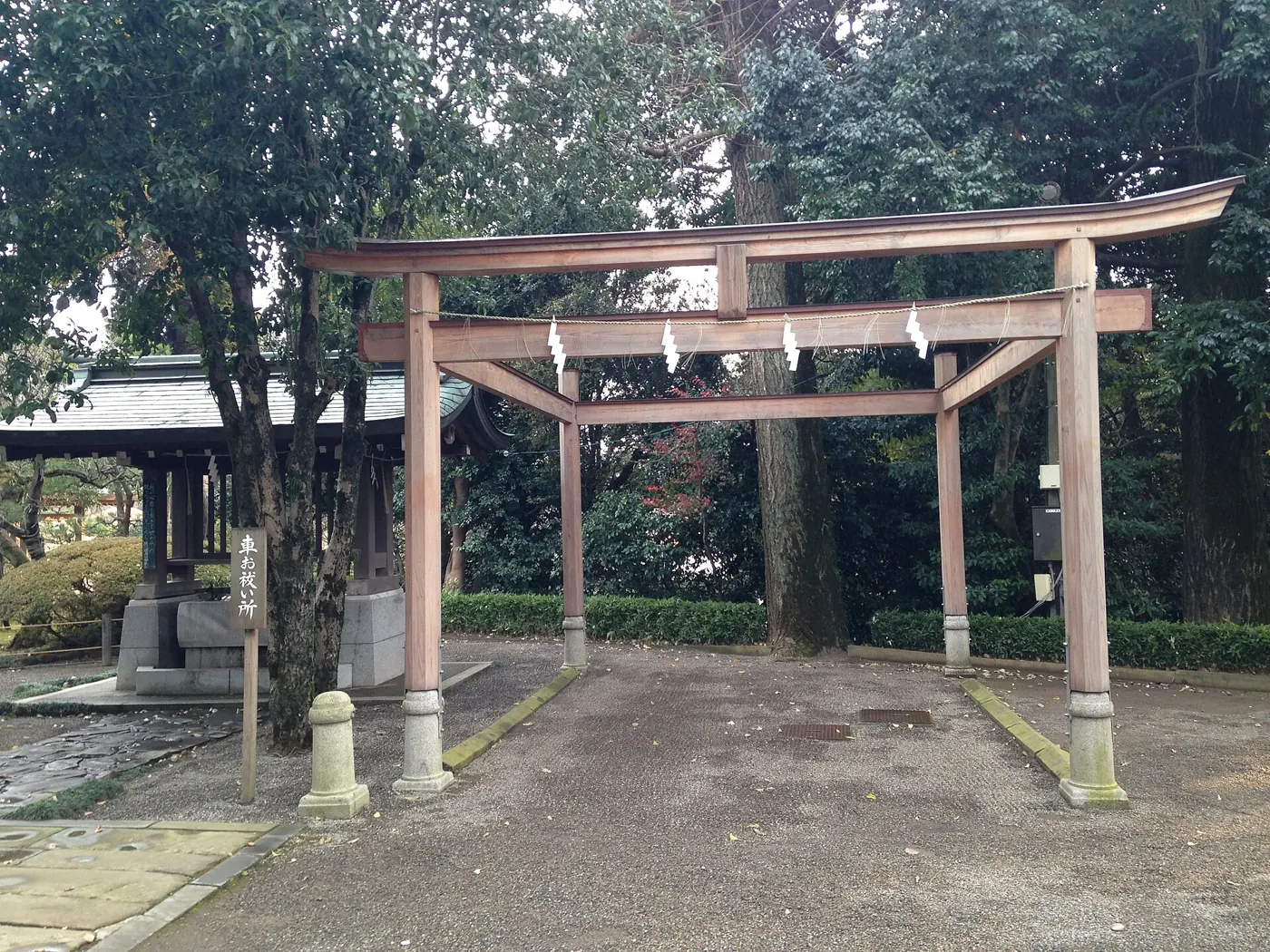
Shide (紙垂, 四手) are zigzag-shaped paper streamers, often seen attached to shimenawa or tamagushi to demarcate holy spaces, and used in Shinto rituals in Japan. They are usually found adorning doorways, shrine buildings, and kamidana.
The origins of shide are traced to the yūshide, a thread made from the bark of Broussonetia × kazinoki mentioned in the Kojiki. There are different styles of folding shide. One method requires placing the paper zigzags in a cut slit on a stick, creating a ritual object known as a gohei or heihaku. A gohei is an offering to kami that can be seen on kamidana altars and inside the main building of a Shinto shrine.
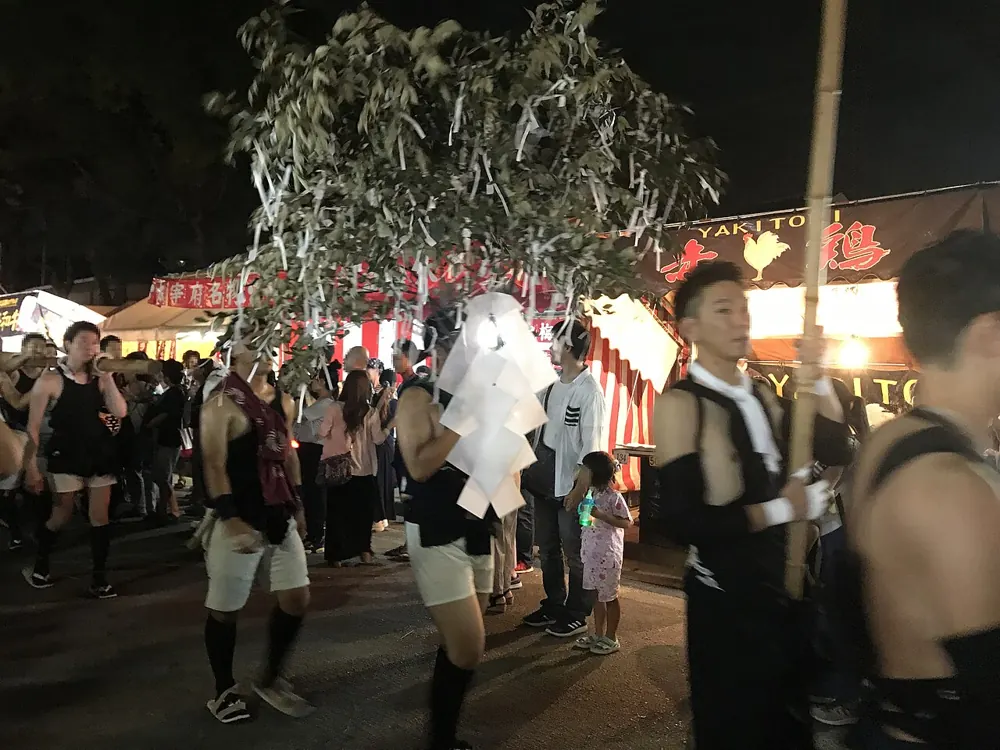
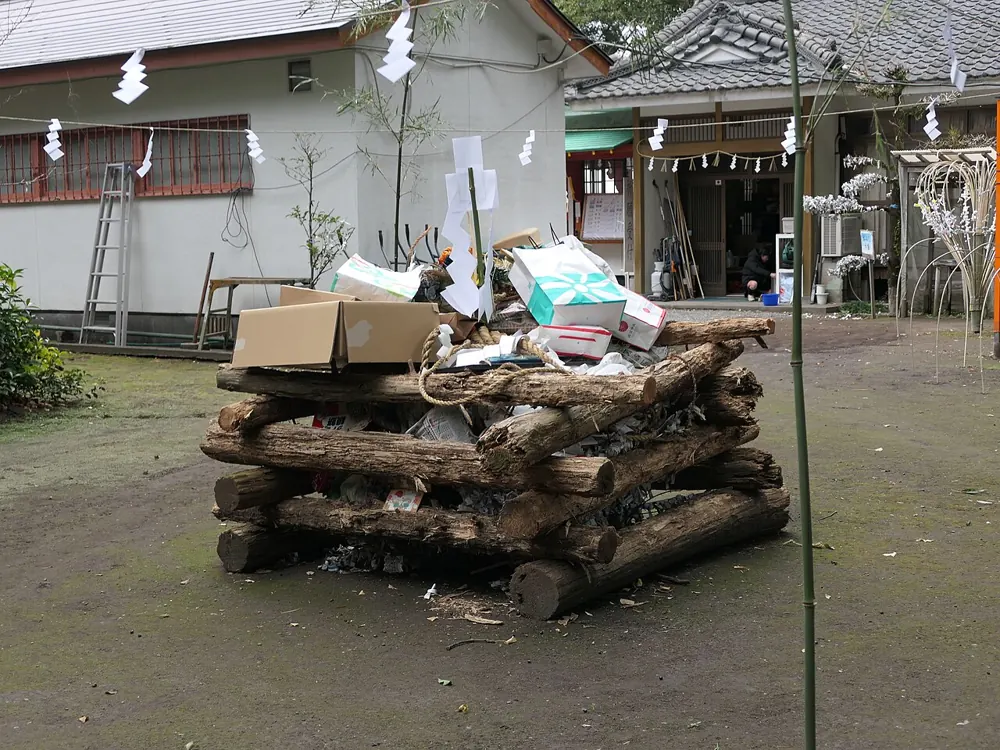
A common purification ritual uses a haraegushi, a wooden stick with linen or paper shide attached at the top. A Shinto priest waves the haraigushi over a person, item, or newly bought property, such as a building or a car. The wand is waved at a slow and rhythmic pace, but with little force so that the shide strips make a rustling noise on each pass of the wand. For new properties, a similar ritual known as jichiin sai (lit. "calming the land") is performed with a haraigushi within an enclosed part of the land (enclosed by shimenawa).
文字来源:维基百科: Shide (Shinto) — CC BY-SA 4.0. 在维基百科阅读更多 →
日本观光厅的英文解说
旅亲自体验:纸垂
价格与评论来自 GetYourGuide 实时信息。许多行程可免费取消(请见各页)。
广告:通过这些链接预订,本站可能获得佣金,您的费用不变。
Compare whether a rail pass saves money on your route before you buy tickets.
查看价格 →Japan eSIM / mobile data
广告:通过这些链接预订,本站可能获得佣金,您的费用不变。
問常见问题
什么是纸垂?
Shide (紙垂, 四手) are zigzag-shaped paper streamers, often seen attached to shimenawa or tamagushi to demarcate holy spaces, and used in Shinto rituals in Japan.
社在神社
 神道教神道
 神
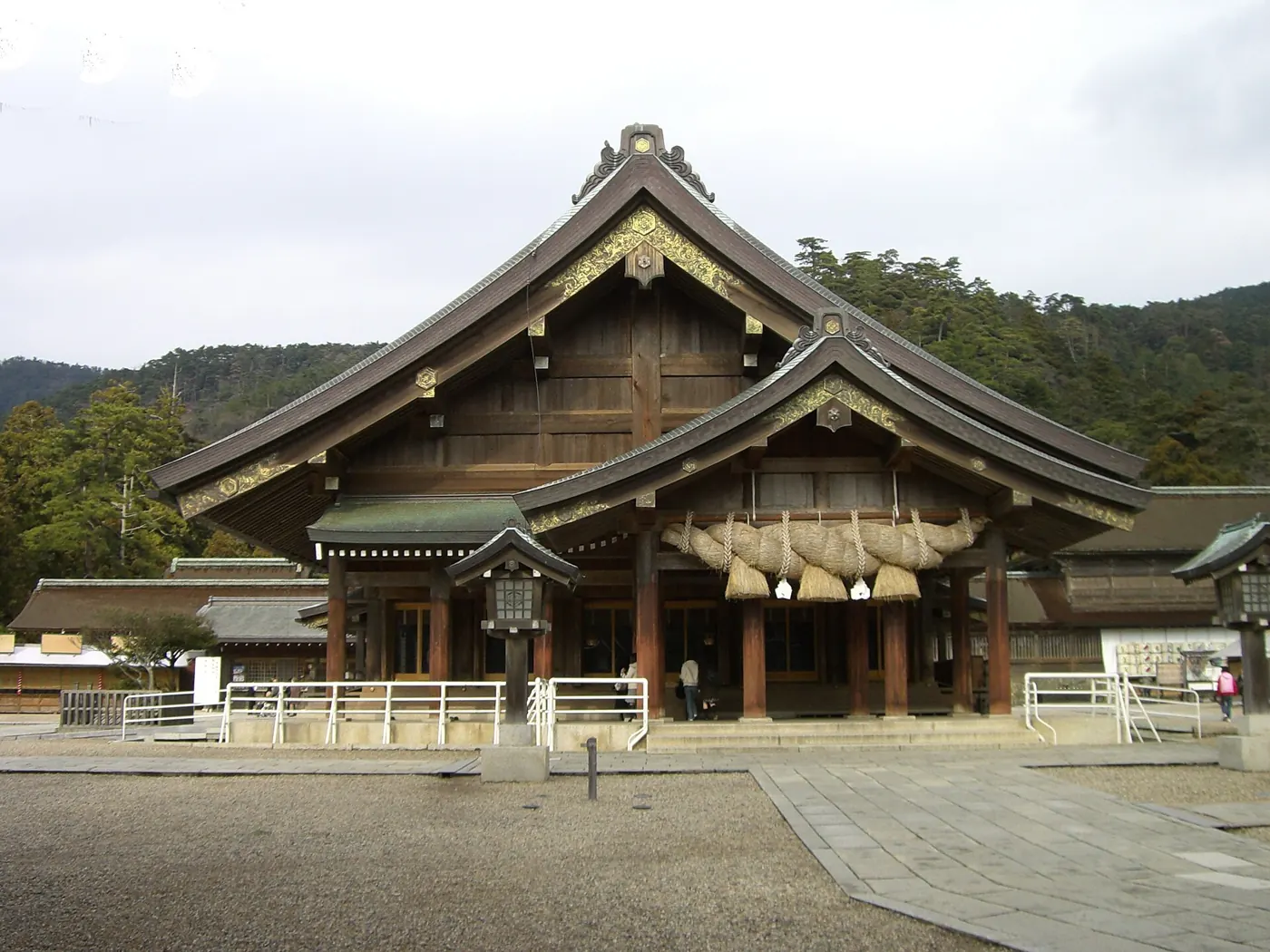 Haiden拝殿
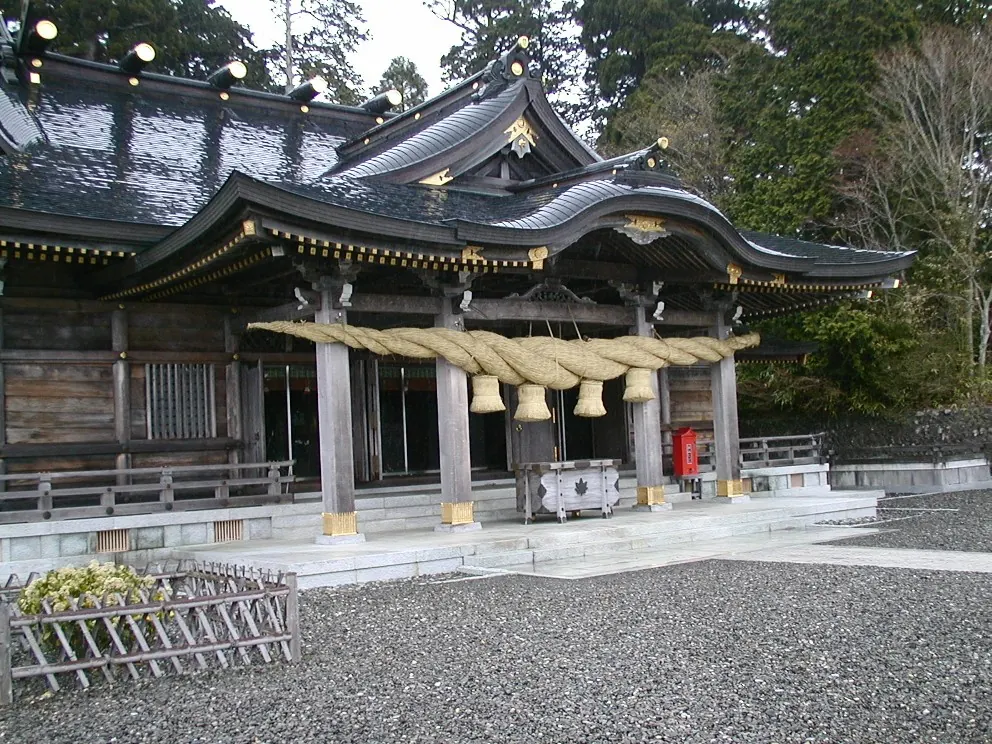 本殿
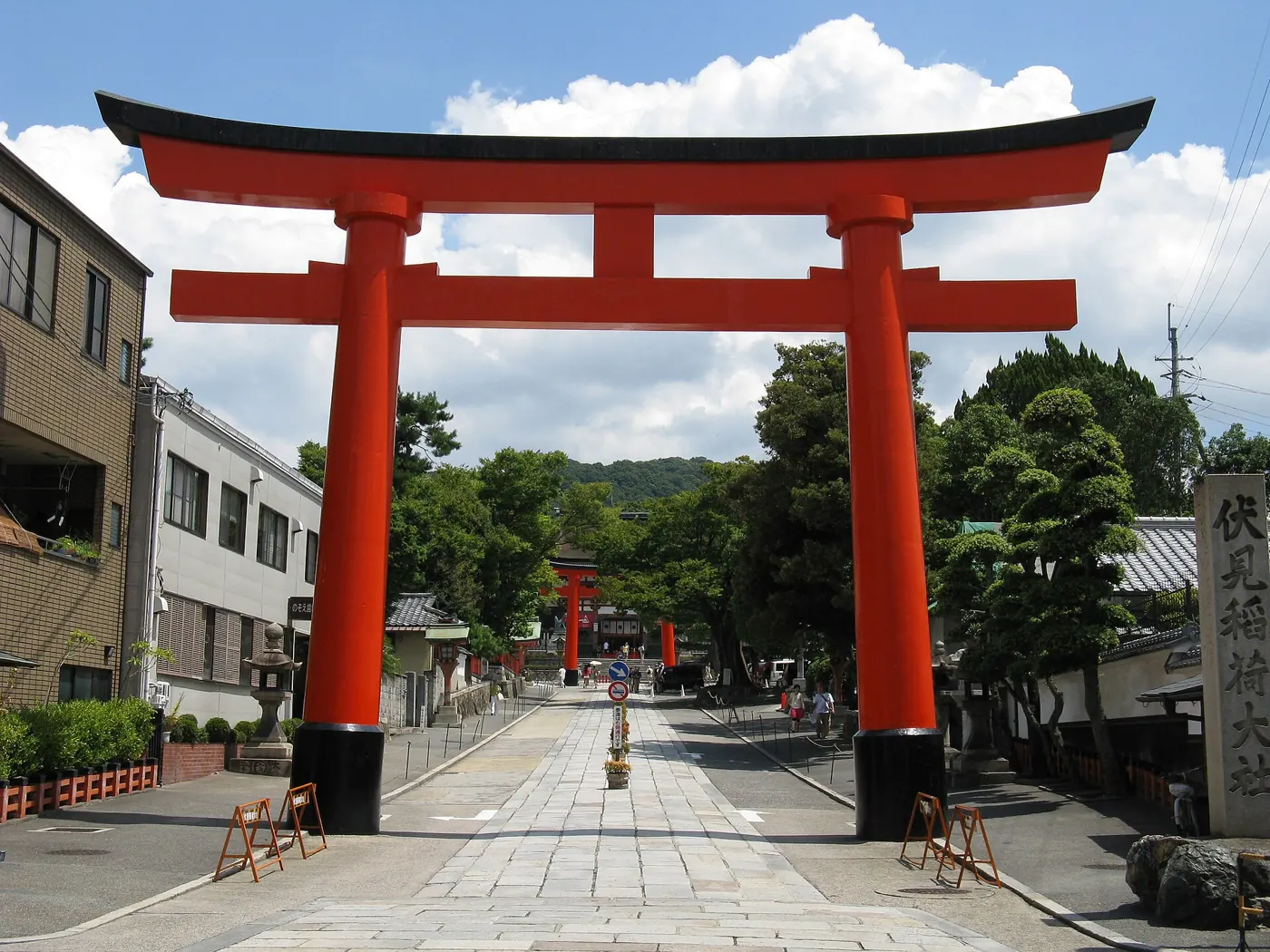 神道参道
 籤おみくじ
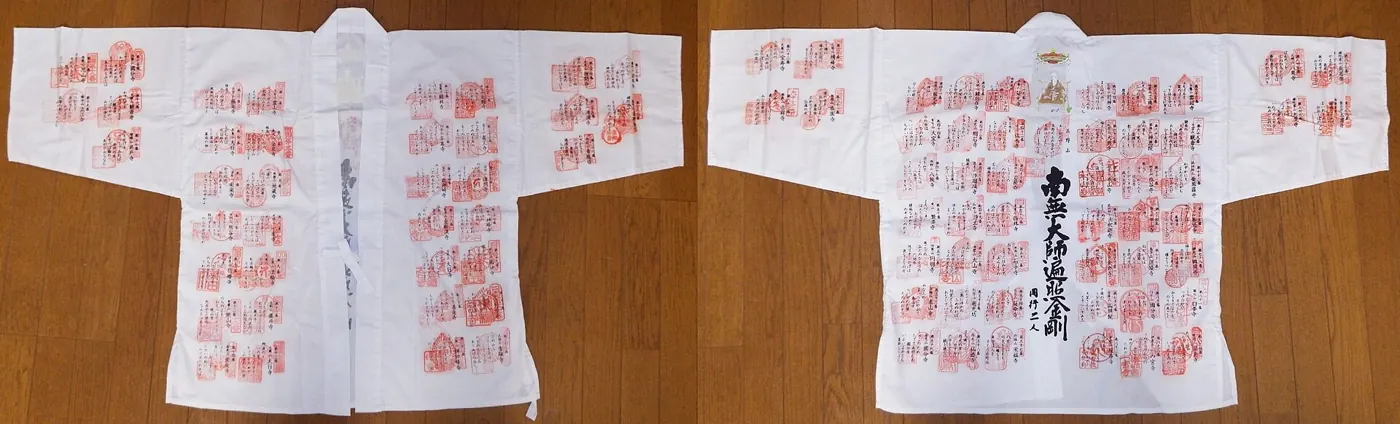 御朱印朱印
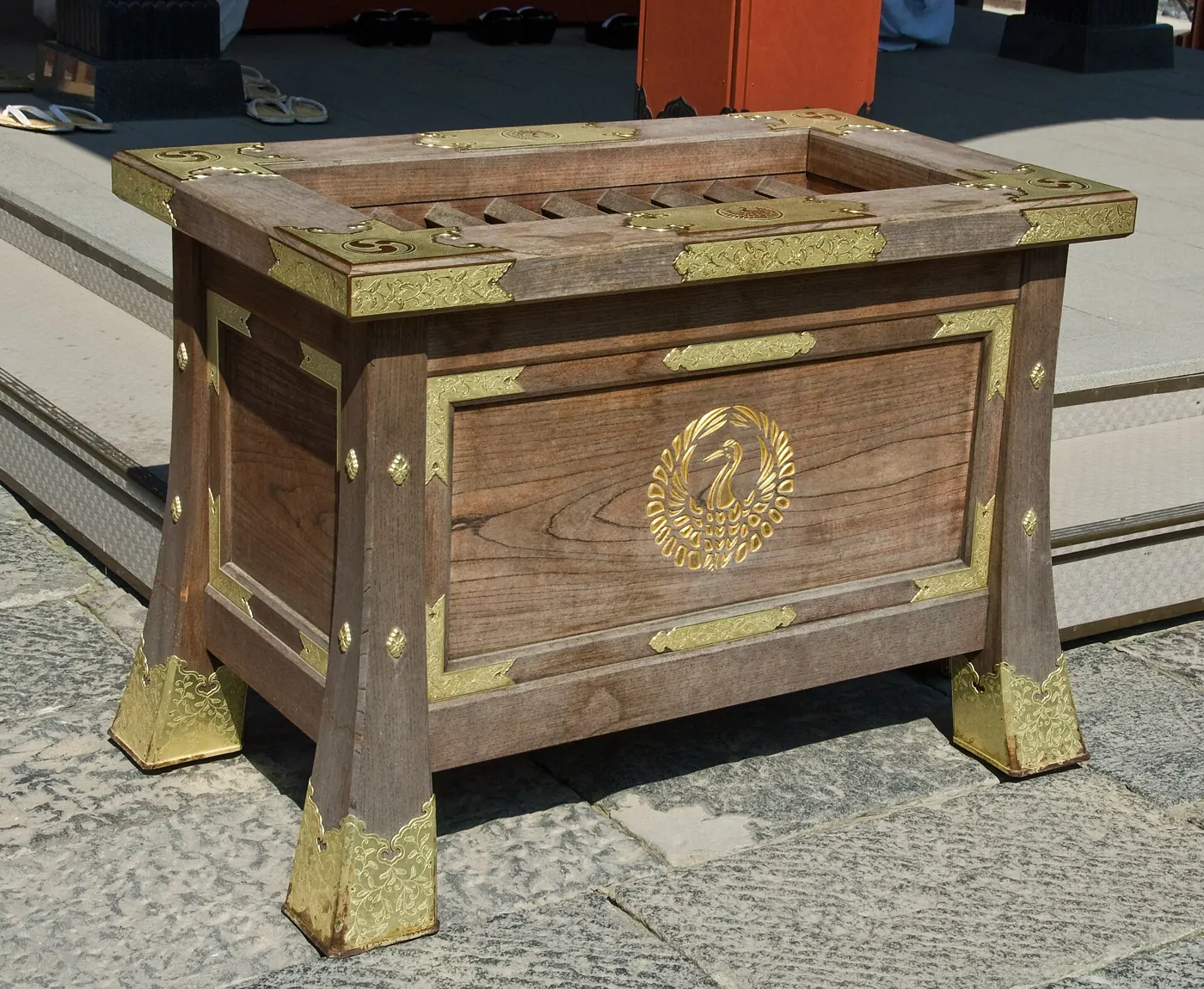 香油钱賽銭
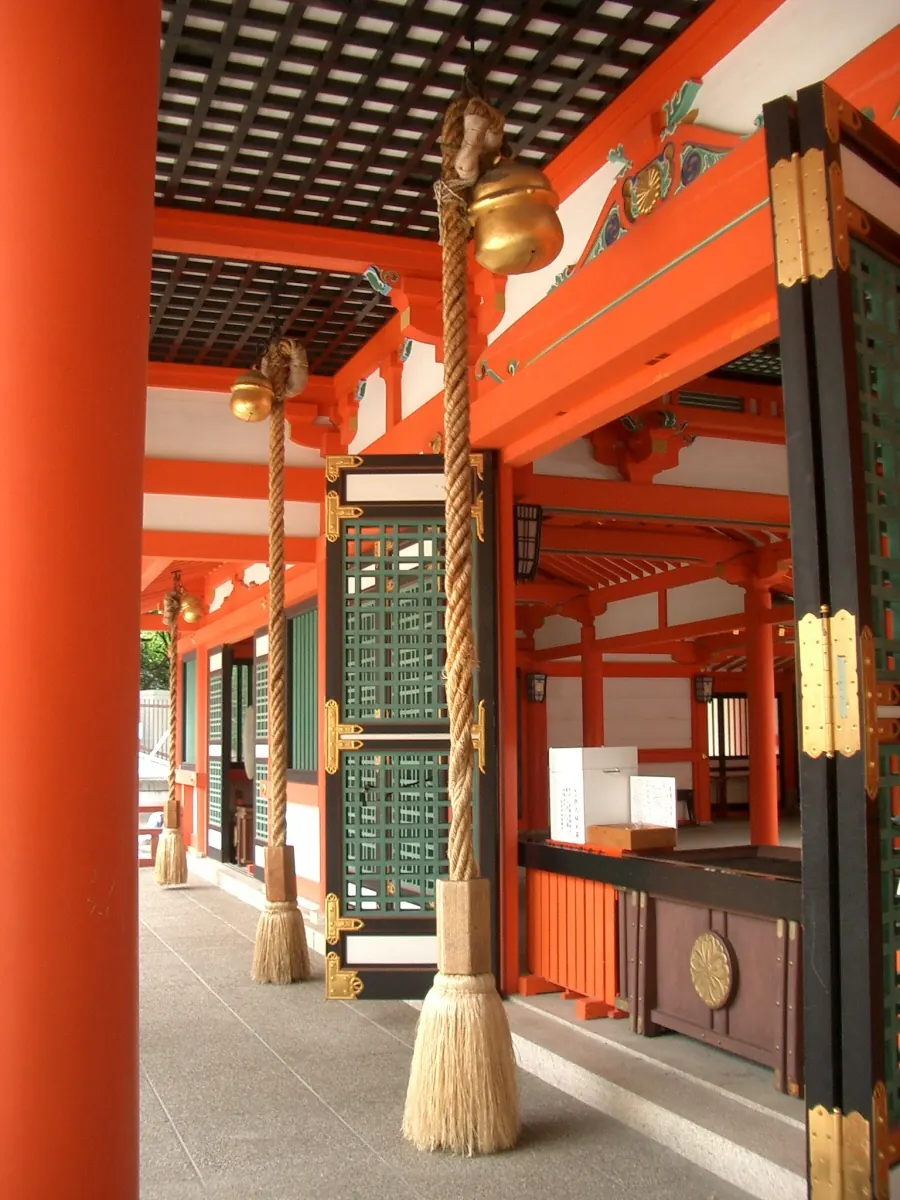 铃鈴
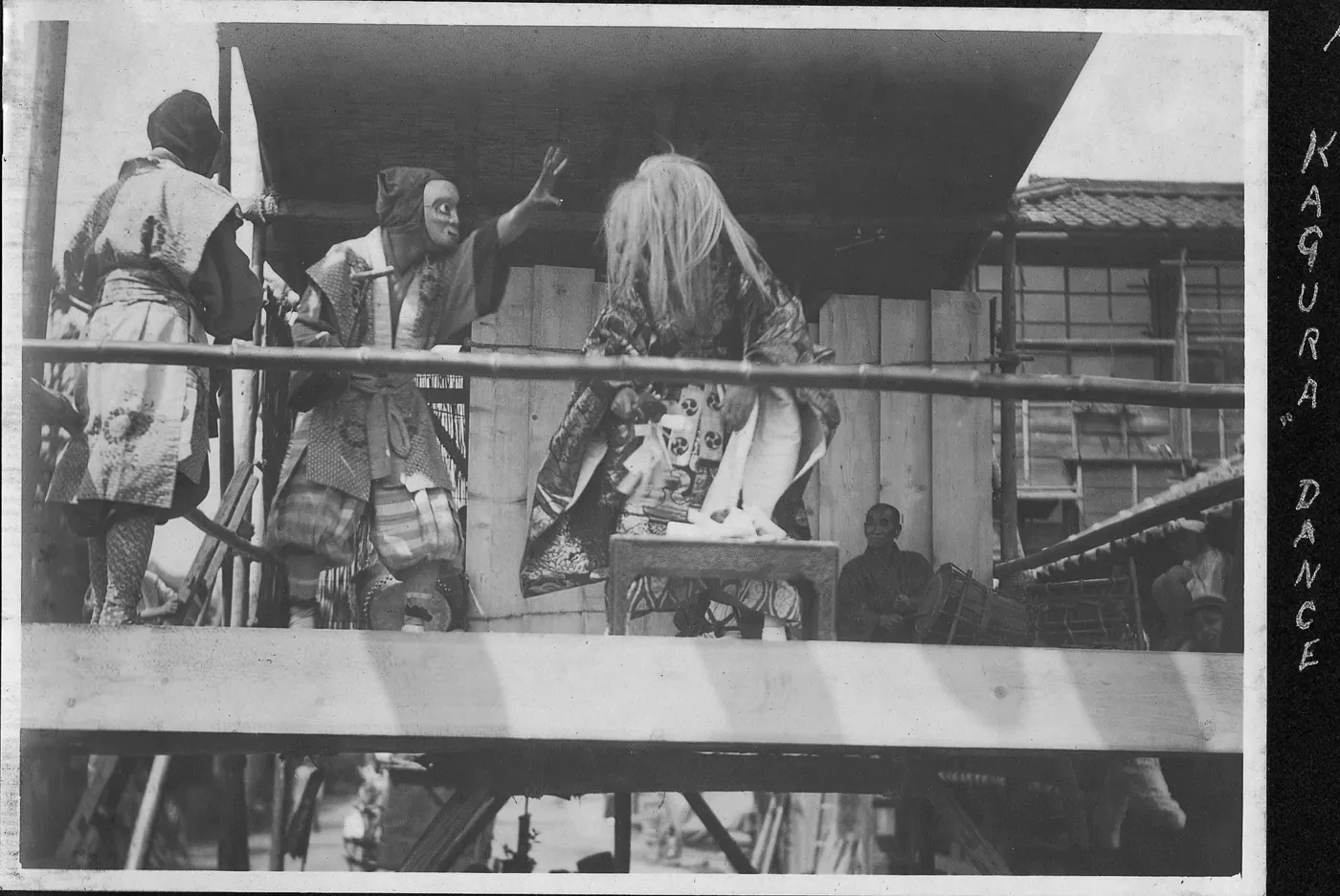 神乐神楽
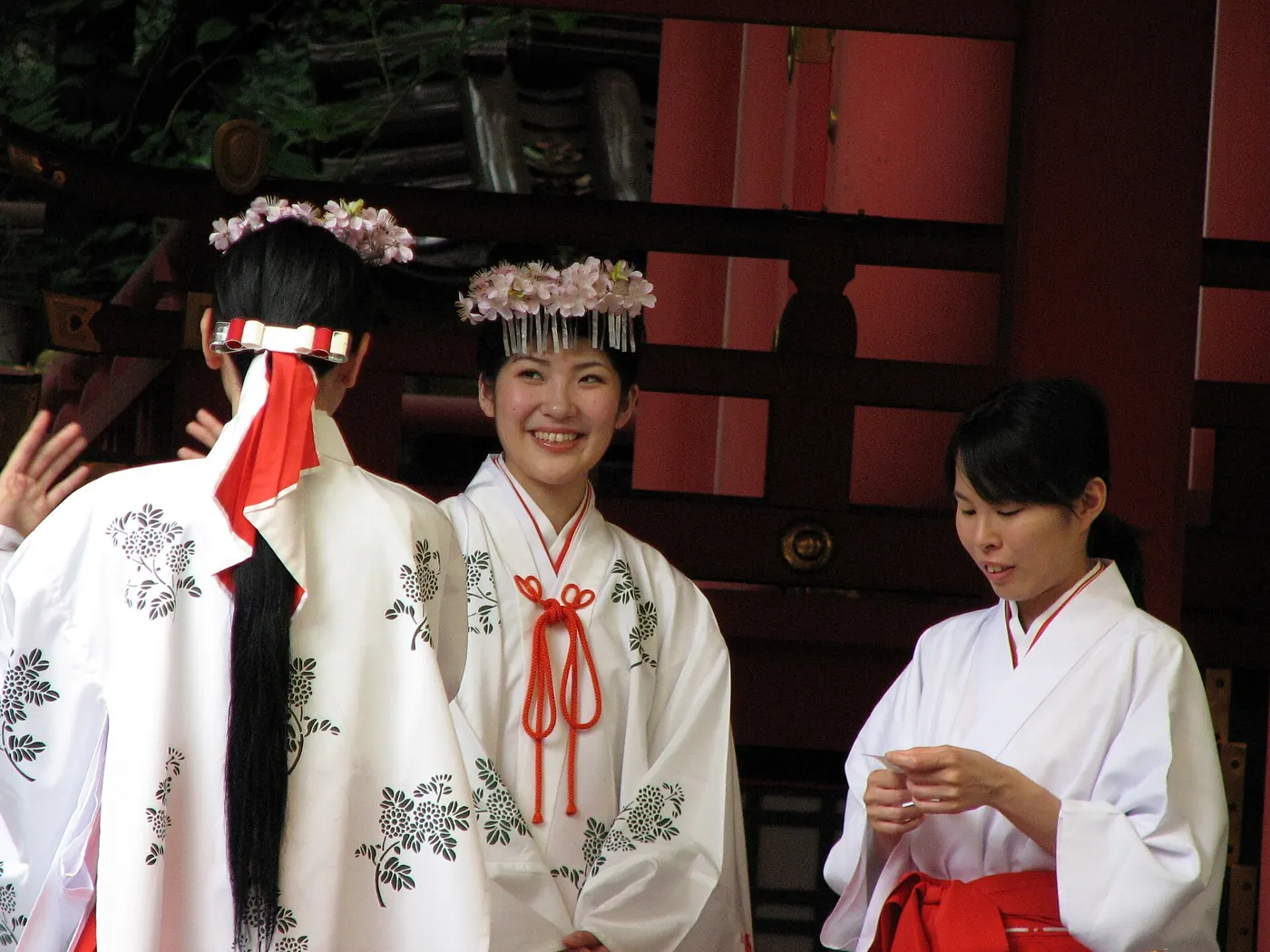 巫女
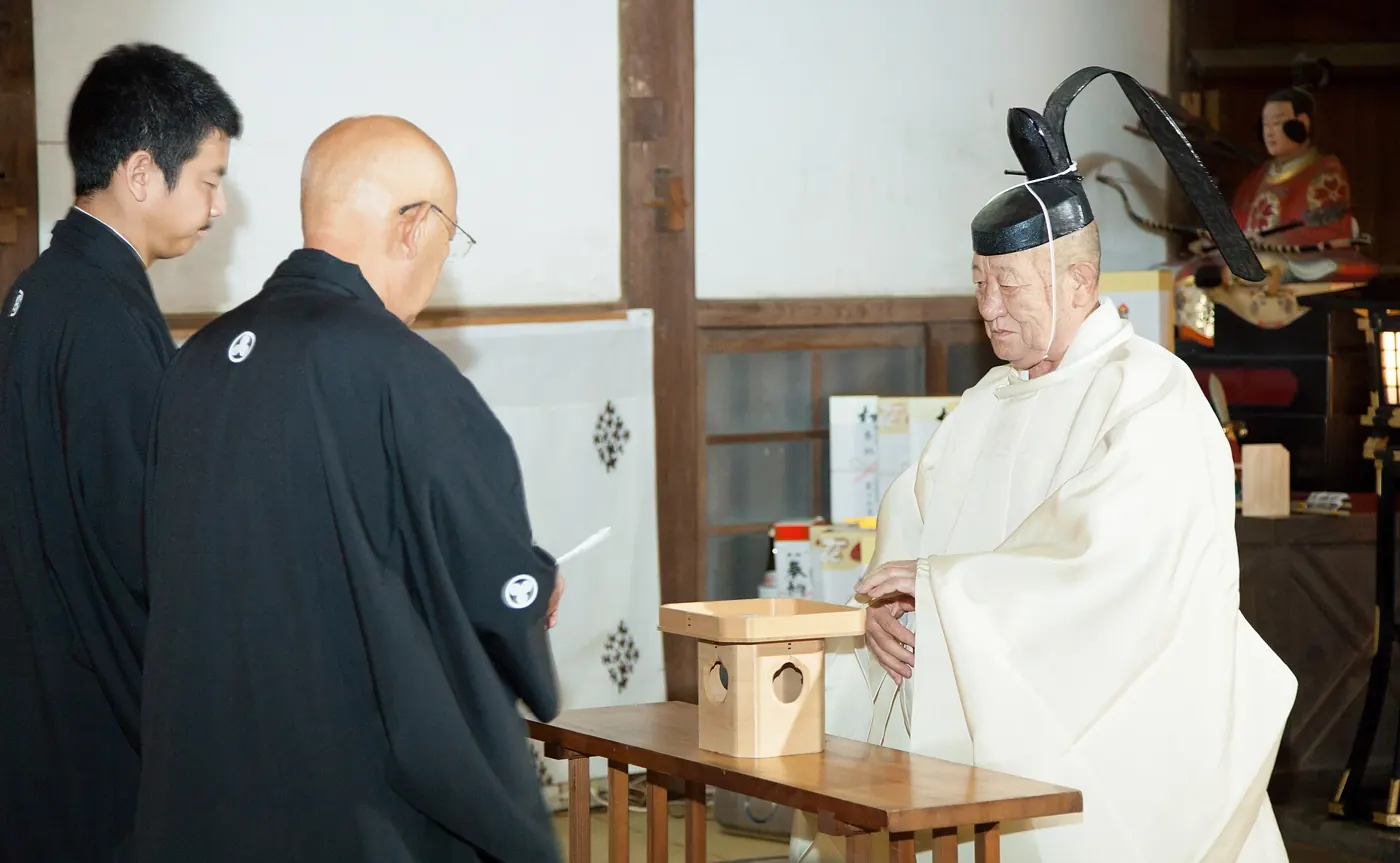
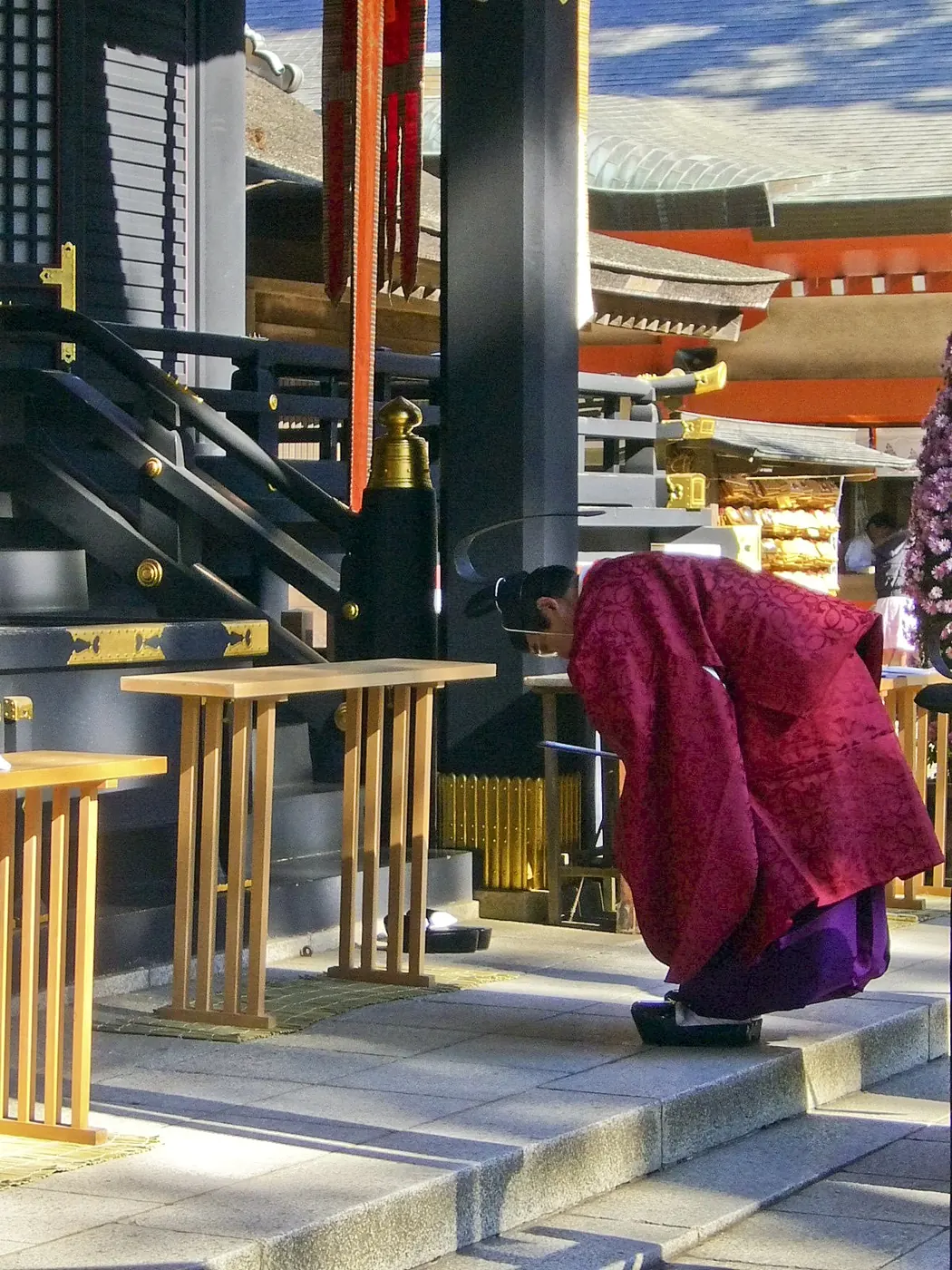 神職
打开识别并比对 →