What is this? › Guardians, charms & creatures
埴輪Haniwa
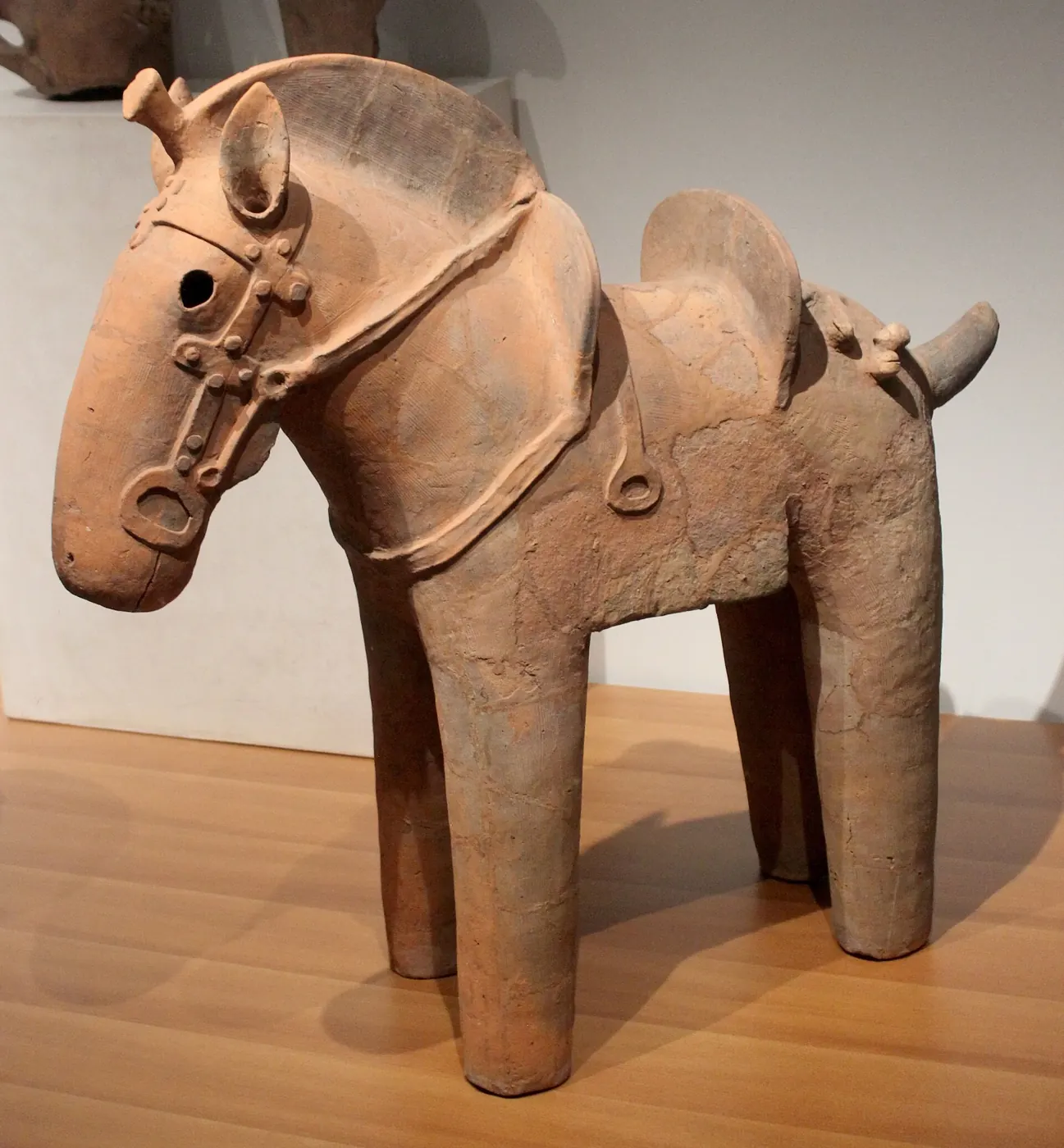
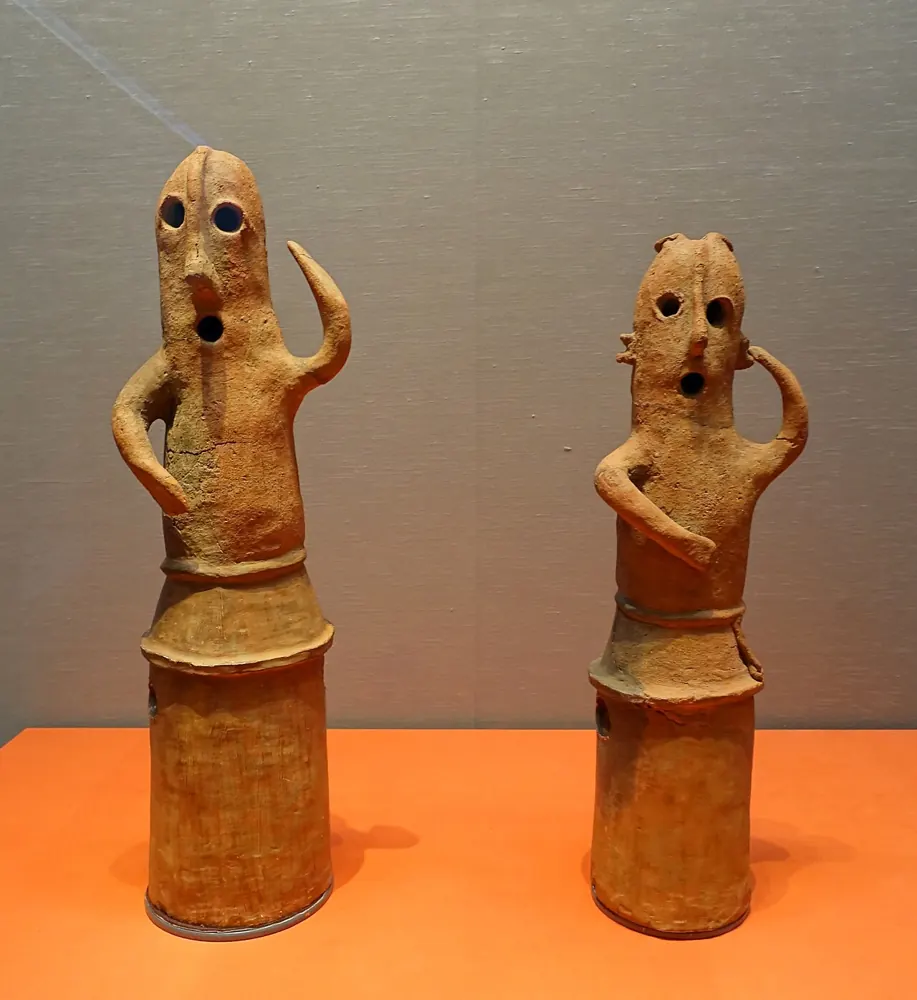
Haniwa (埴輪) are terracotta clay figures that were made for ritual use and buried with the dead as funerary objects during the Kofun period (3rd to 6th centuries AD) of the history of Japan. Haniwa were created using the wazumi technique, in which mounds of coiled clay were built up to shape the figure, layer by layer. The word haniwa can also refer to offering cylinders rather than the clay sculptures on top of them, as well as the "wooden haniwa" found in Kofun tumuli.
Terracotta haniwa were made with water-based clay and dried into a coarse and absorbent material that stood the test of time. Their name means "clay circle", referring to how they were arranged in circles above tombs. Protruding parts of the figures were made separately and then attached. Etchings were carved into the figures, after which they were smoothed out with a wooden paddle. Terraces were arranged to place them, with cylindrical bases, into the ground, where the earth would hold them in place.
During the Kofun period, a highly aristocratic society with militaristic rulers developed. The cavalry wore iron armor, carried swords and other weapons, and used advanced military methods like those of northeast Asia. Many of them are represented in haniwa figurines for funerary purposes.
The most important of the haniwa were found in southern Honshū—especially the Kinai region around Nara—and northern Kyūshū.
Text from Wikipedia: Haniwa — CC BY-SA 4.0. Read more on Wikipedia →
Japan Tourism Agency explanations
旅Try it yourself: Haniwa
Live prices and reviews from GetYourGuide. Many tours can be cancelled for free — check each listing.
Ad: we may earn a commission if you book through these links, at no extra cost to you.
Compare whether a rail pass saves money on your route before you buy tickets.
Check prices →Japan eSIM / mobile data
Ad: we may earn a commission if you book through these links, at no extra cost to you.
問Questions visitors ask
What is Haniwa?
Haniwa (埴輪) are terracotta clay figures that were made for ritual use and buried with the dead as funerary objects during the Kofun period (3rd to 6th centuries AD) of the history of Japan.
守Guardians, charms & creatures
 Dragon竜
 Phoenix鳳凰
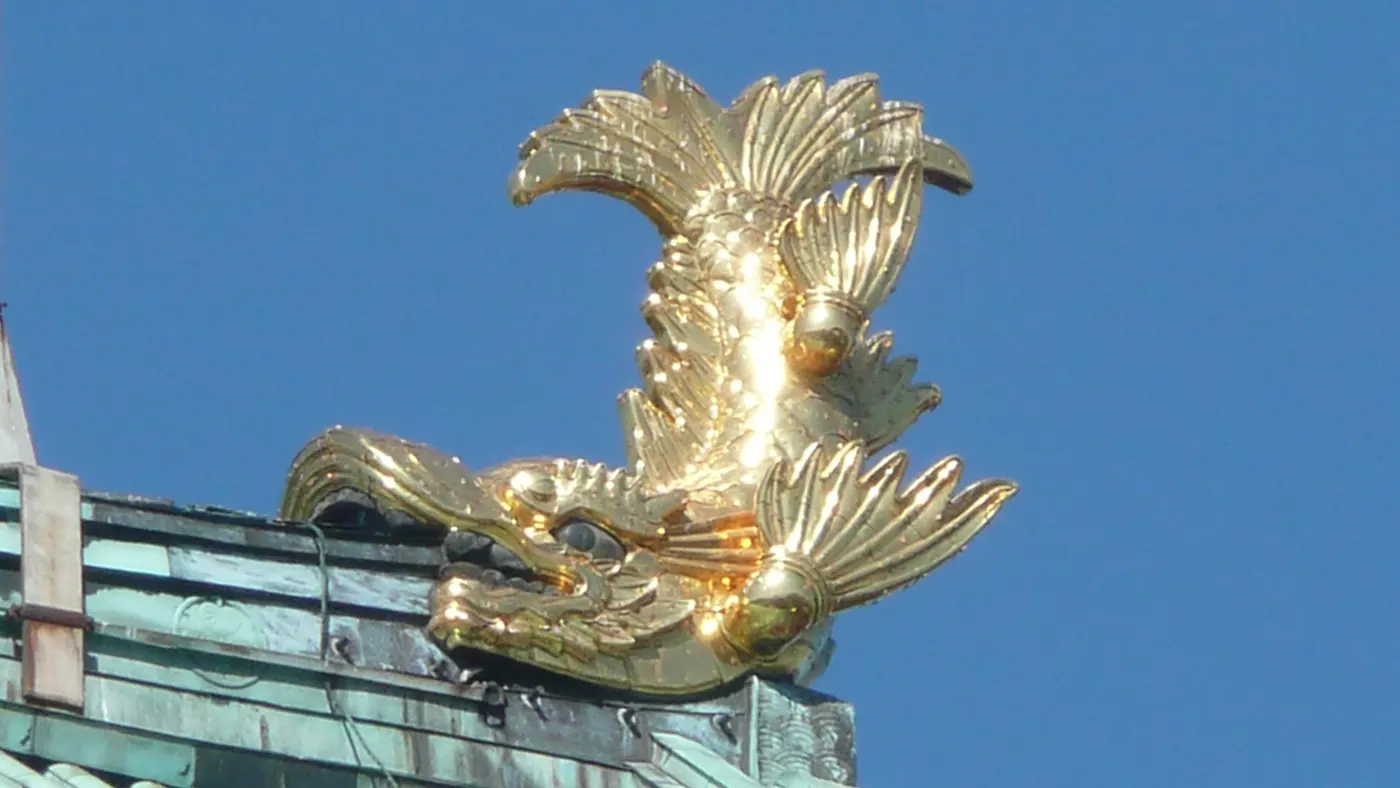 Shachihoko鯱
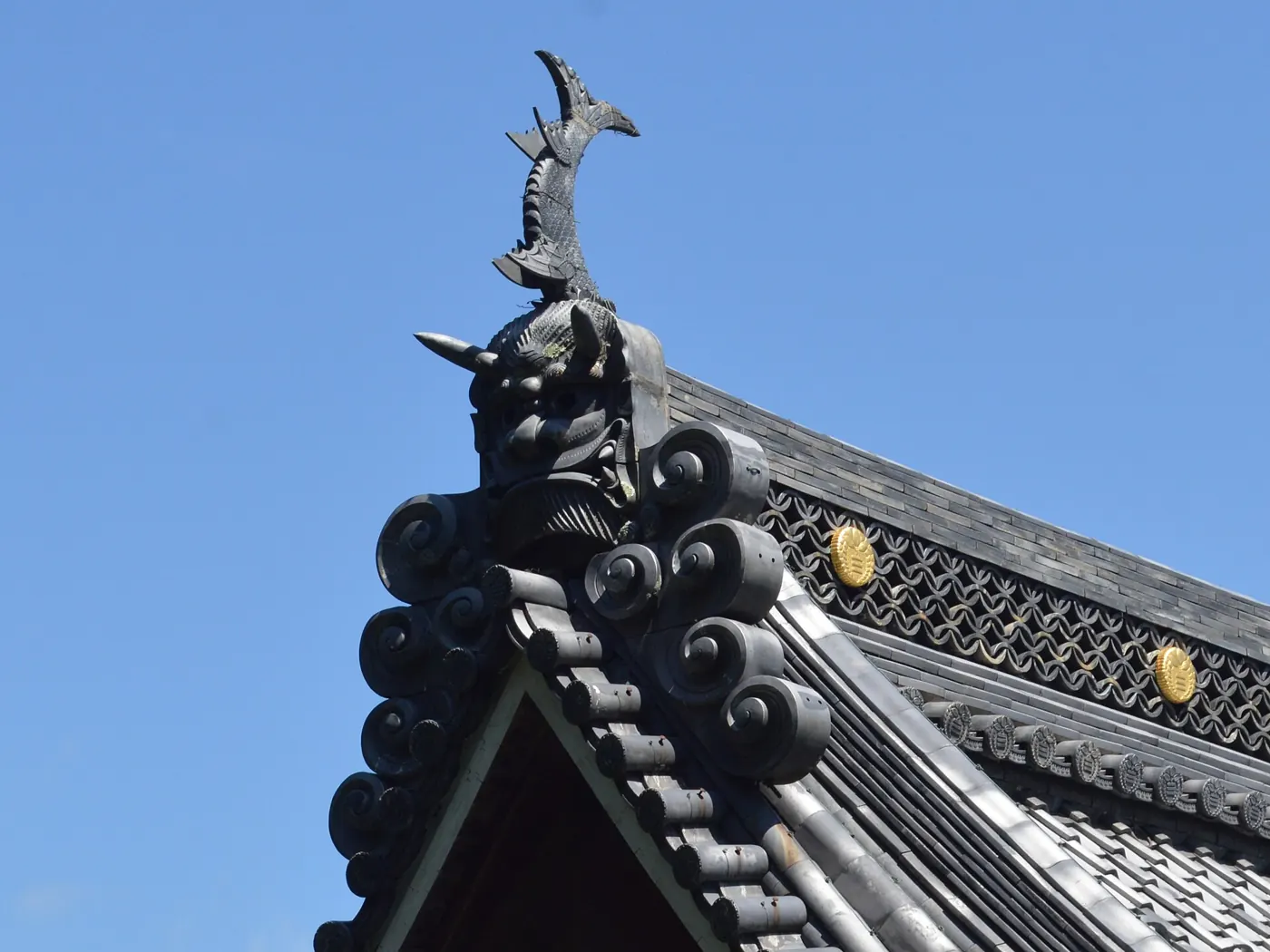 Onigawara鬼瓦
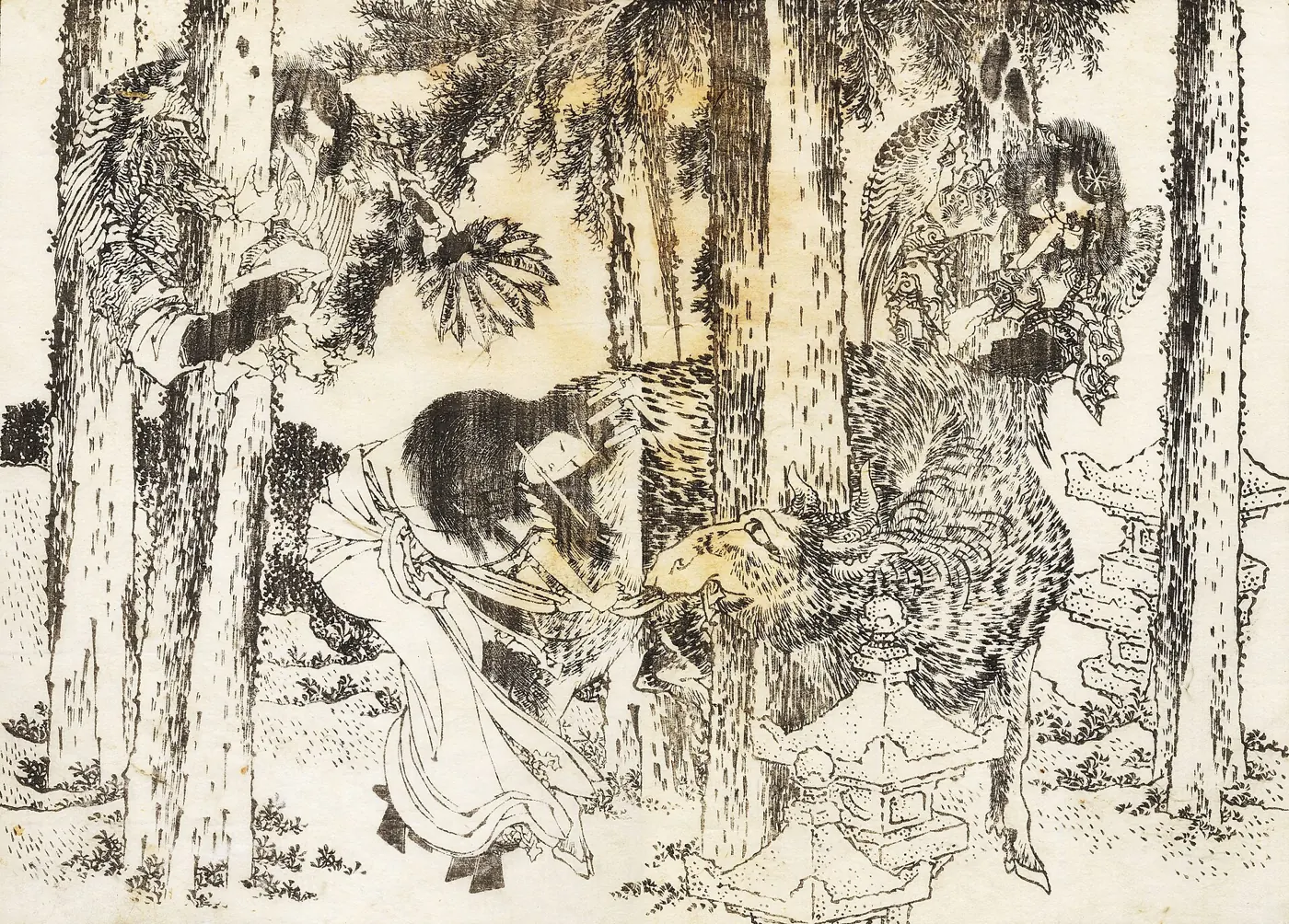 Tengu天狗
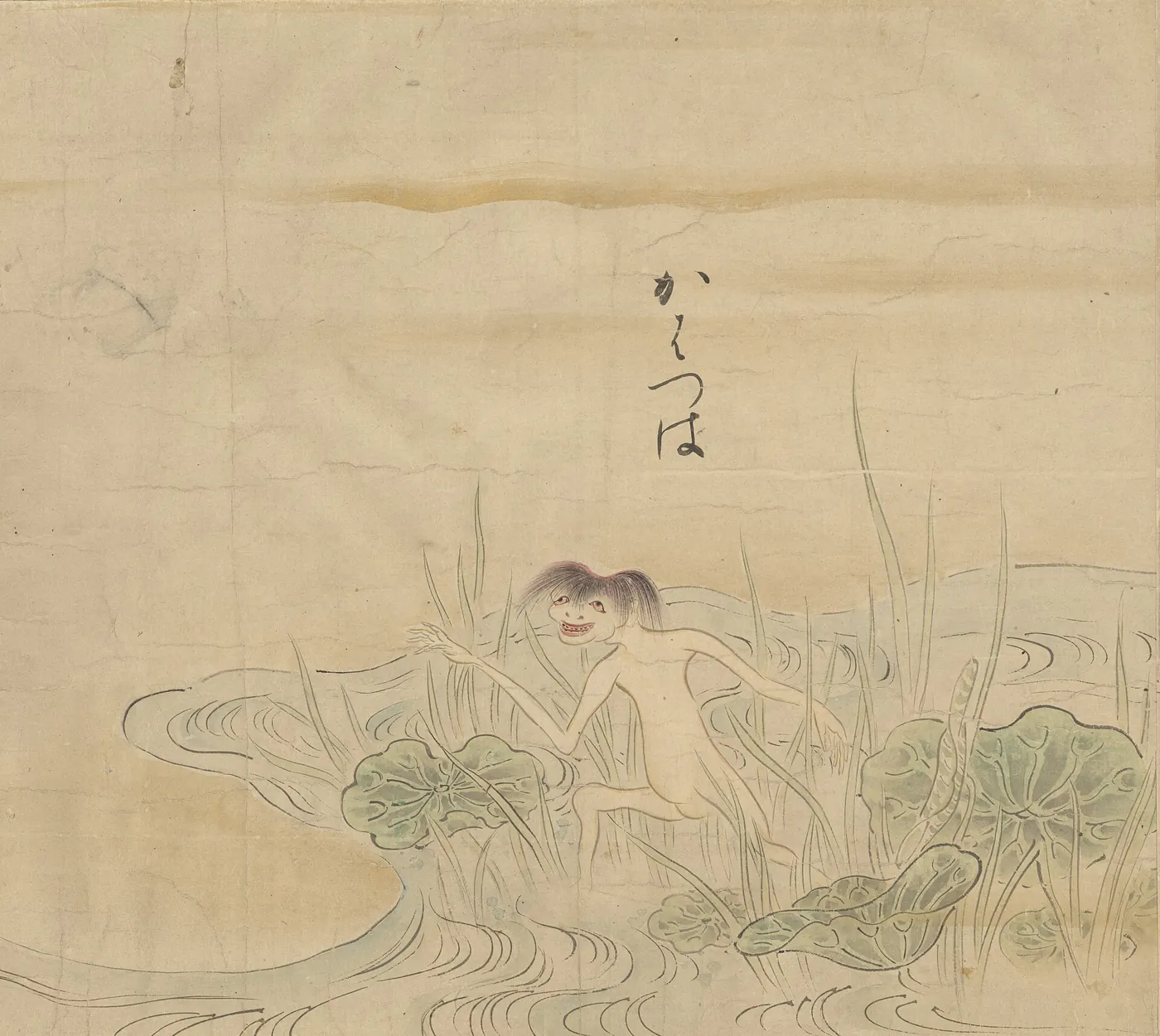 Kappa河童
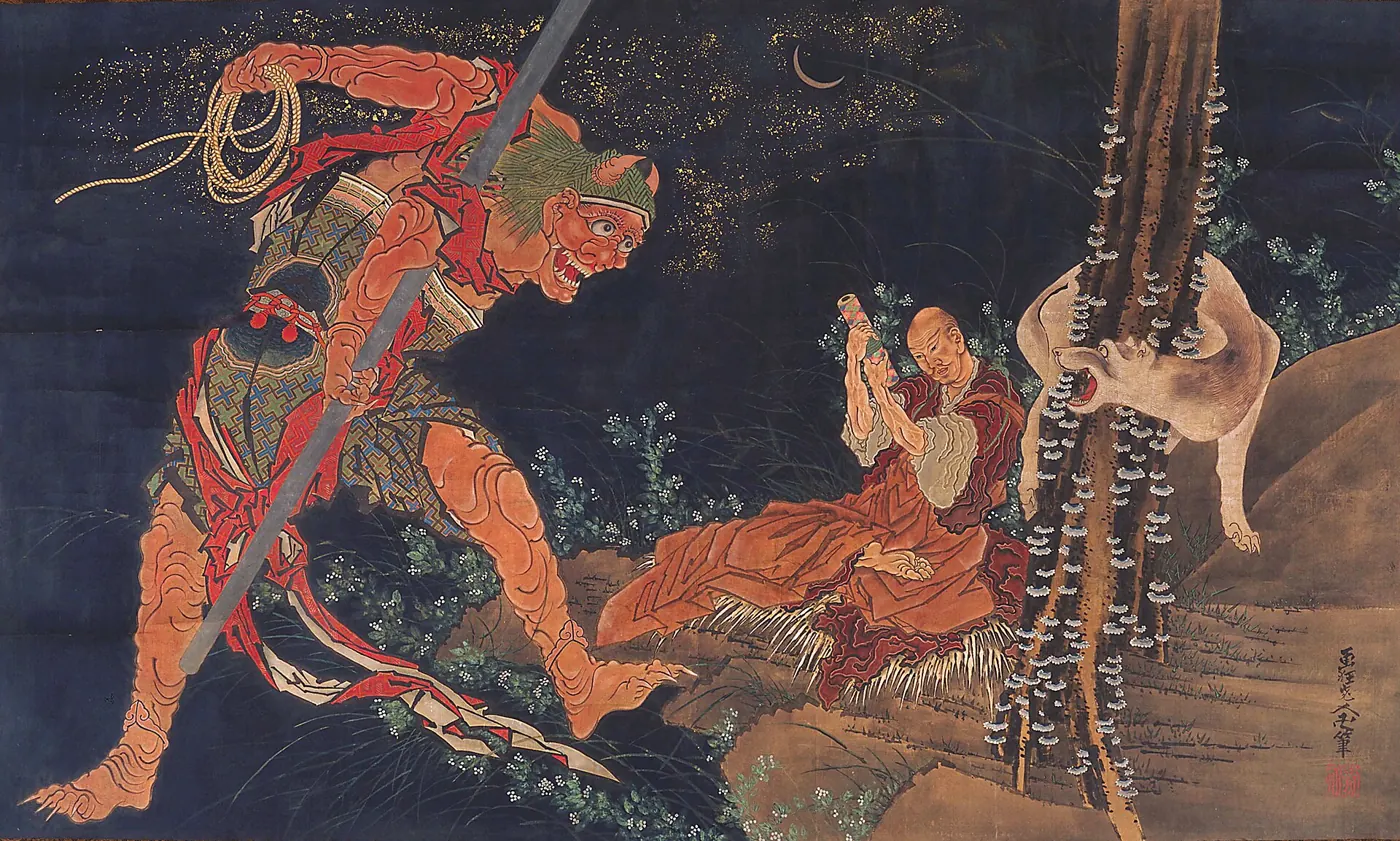 Oni鬼
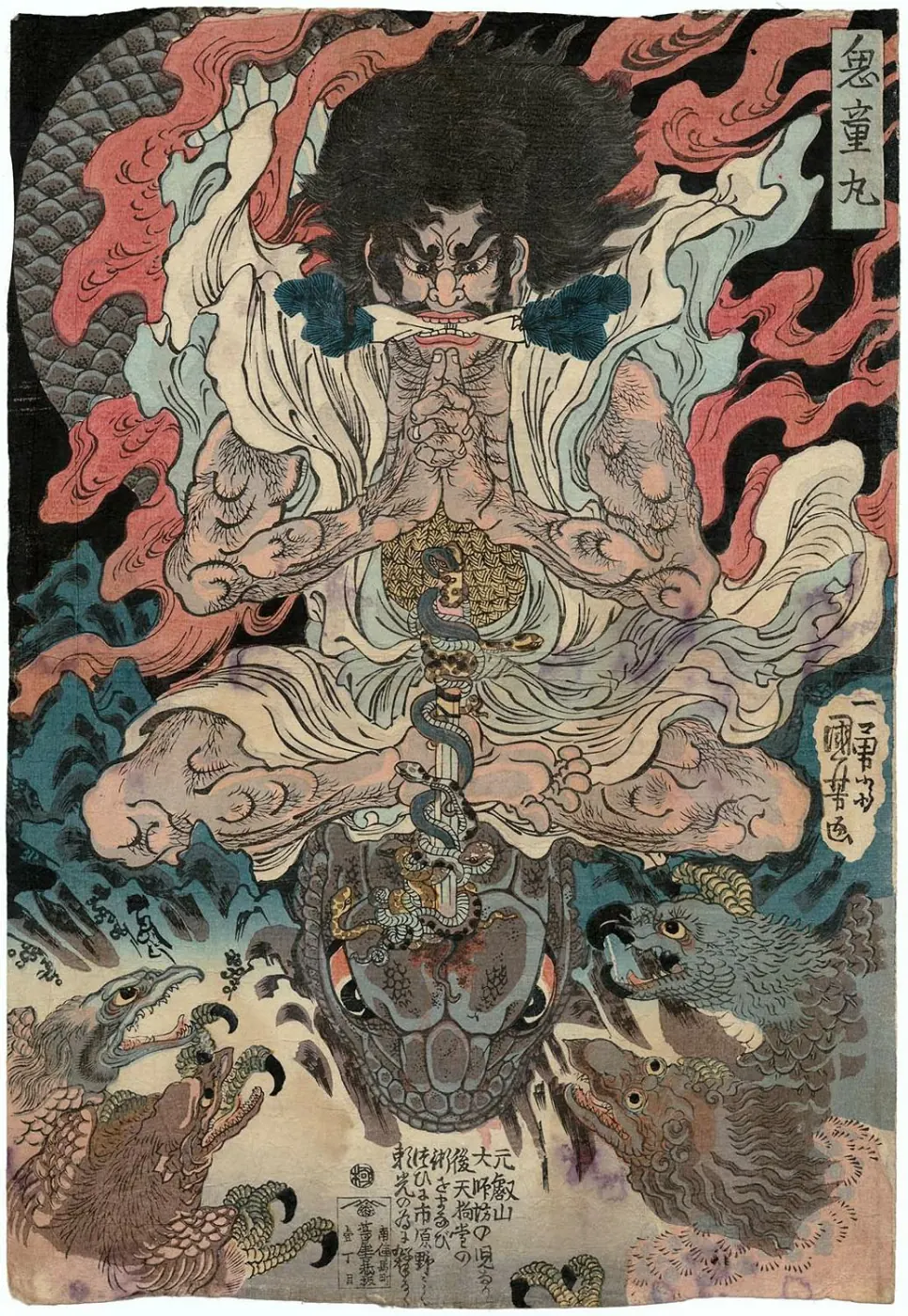 Yōkai妖怪
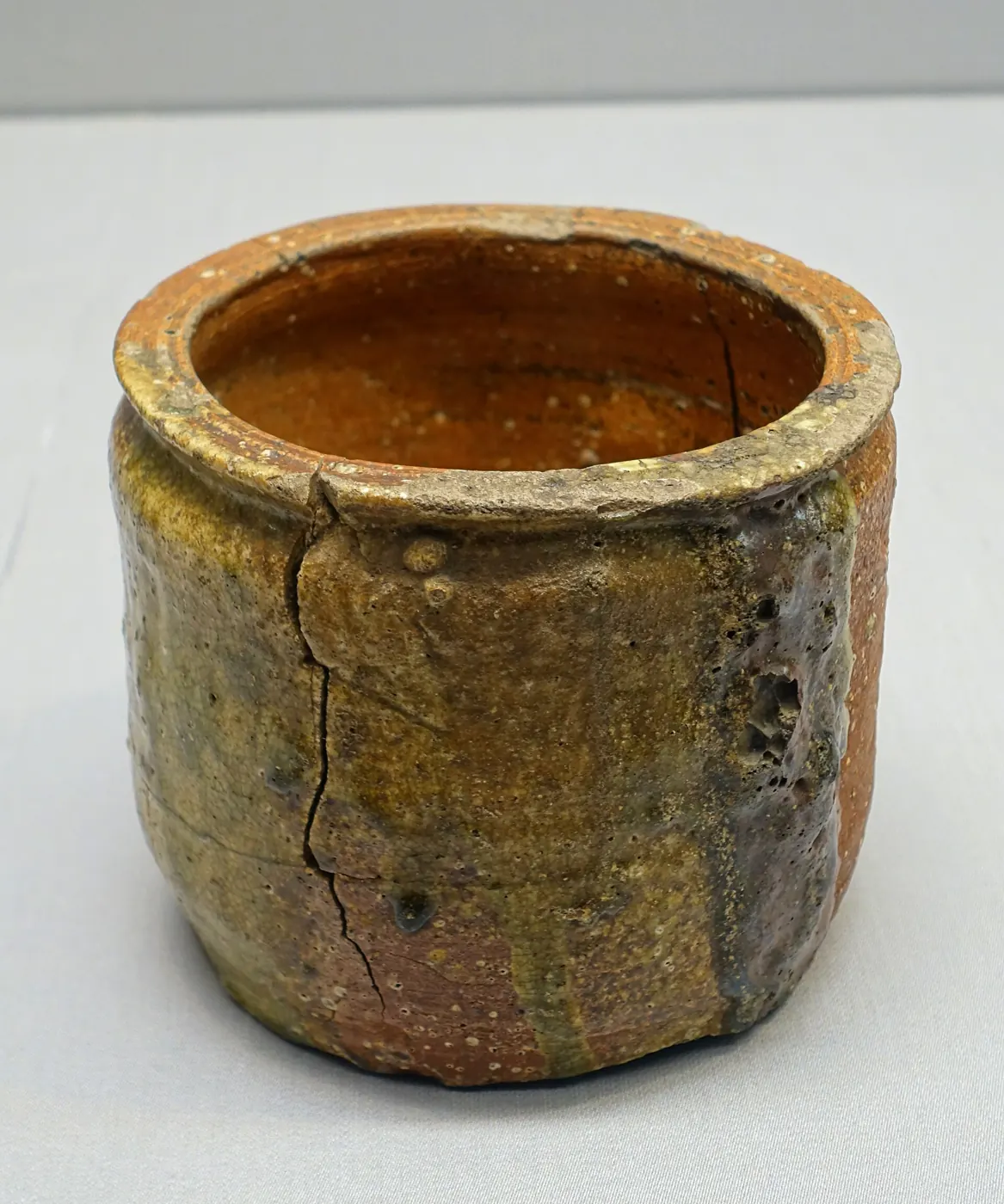 Tanuki statues信楽焼
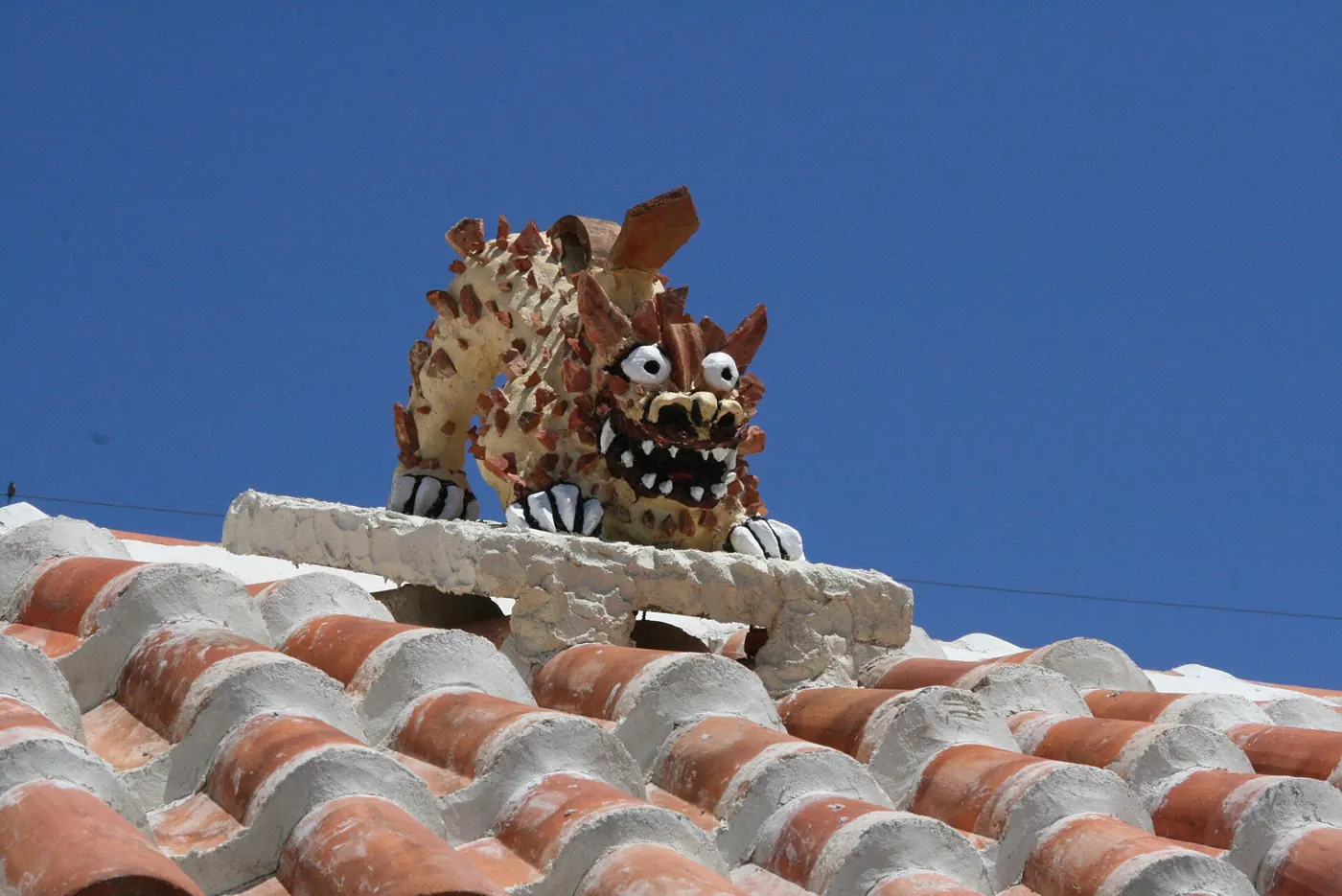 Shīsāシーサー
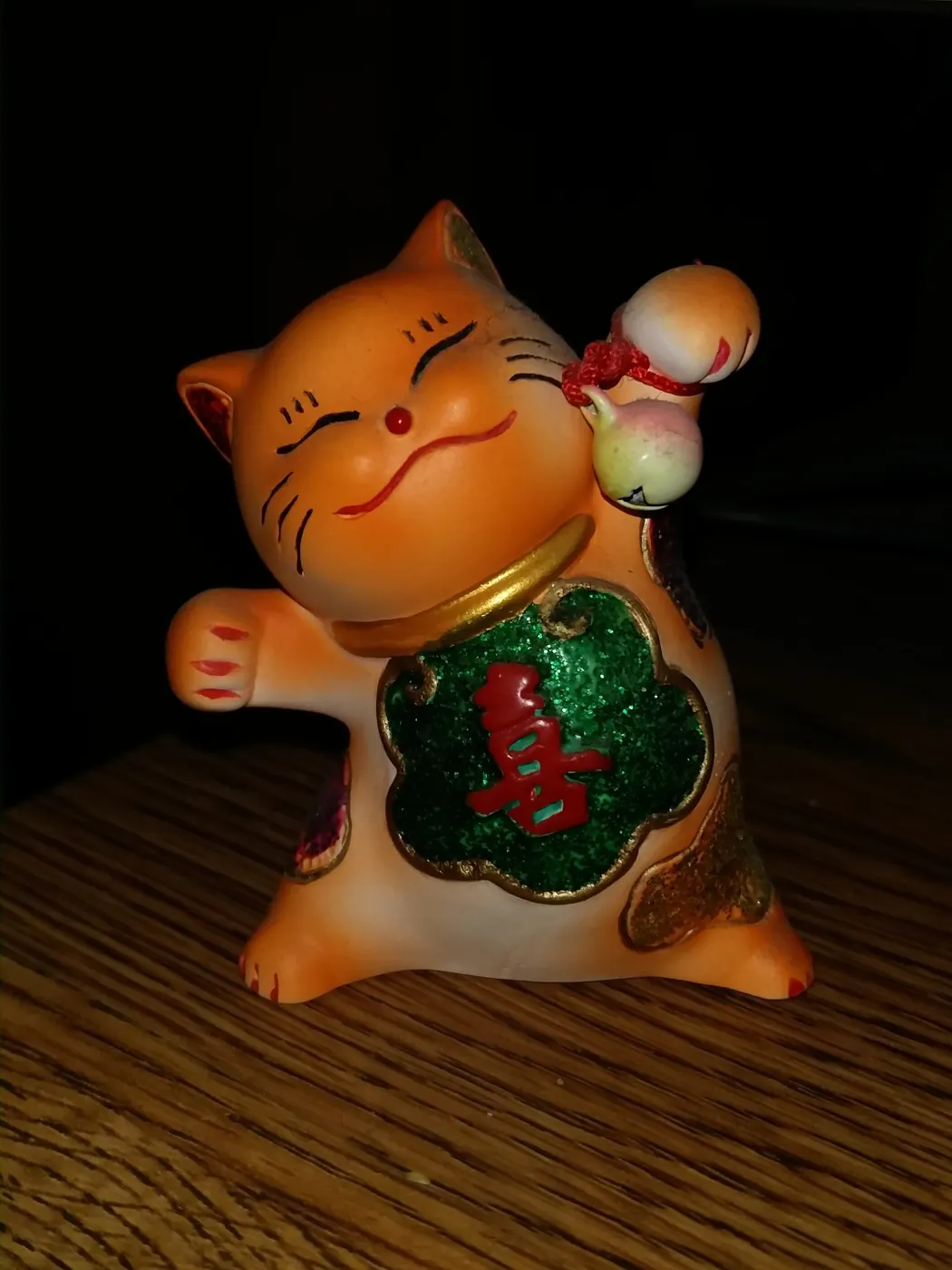 Maneki-neko招き猫
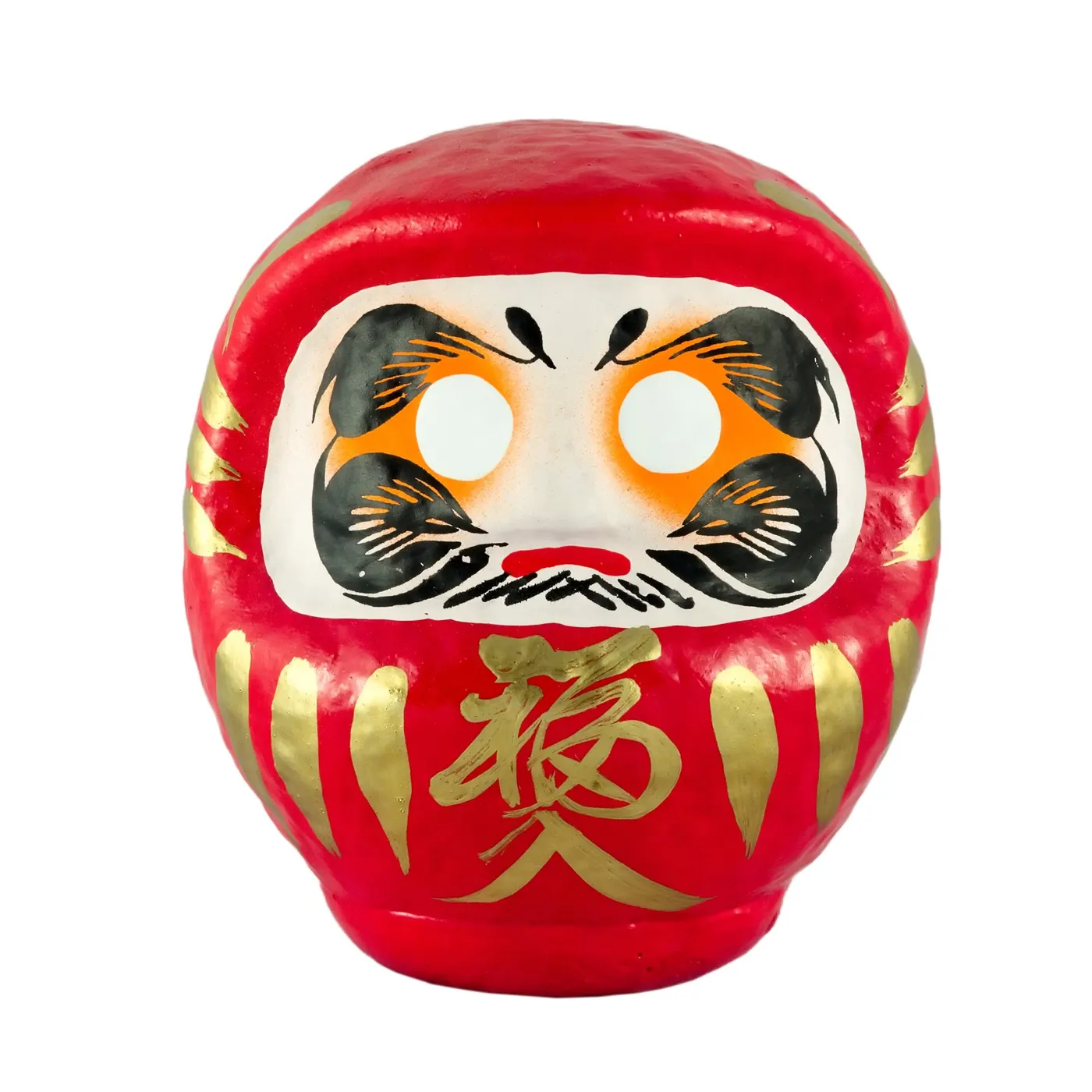 Darumaだるま
Open the scanner and compare →