What is this? › What people wear
袴Hakama
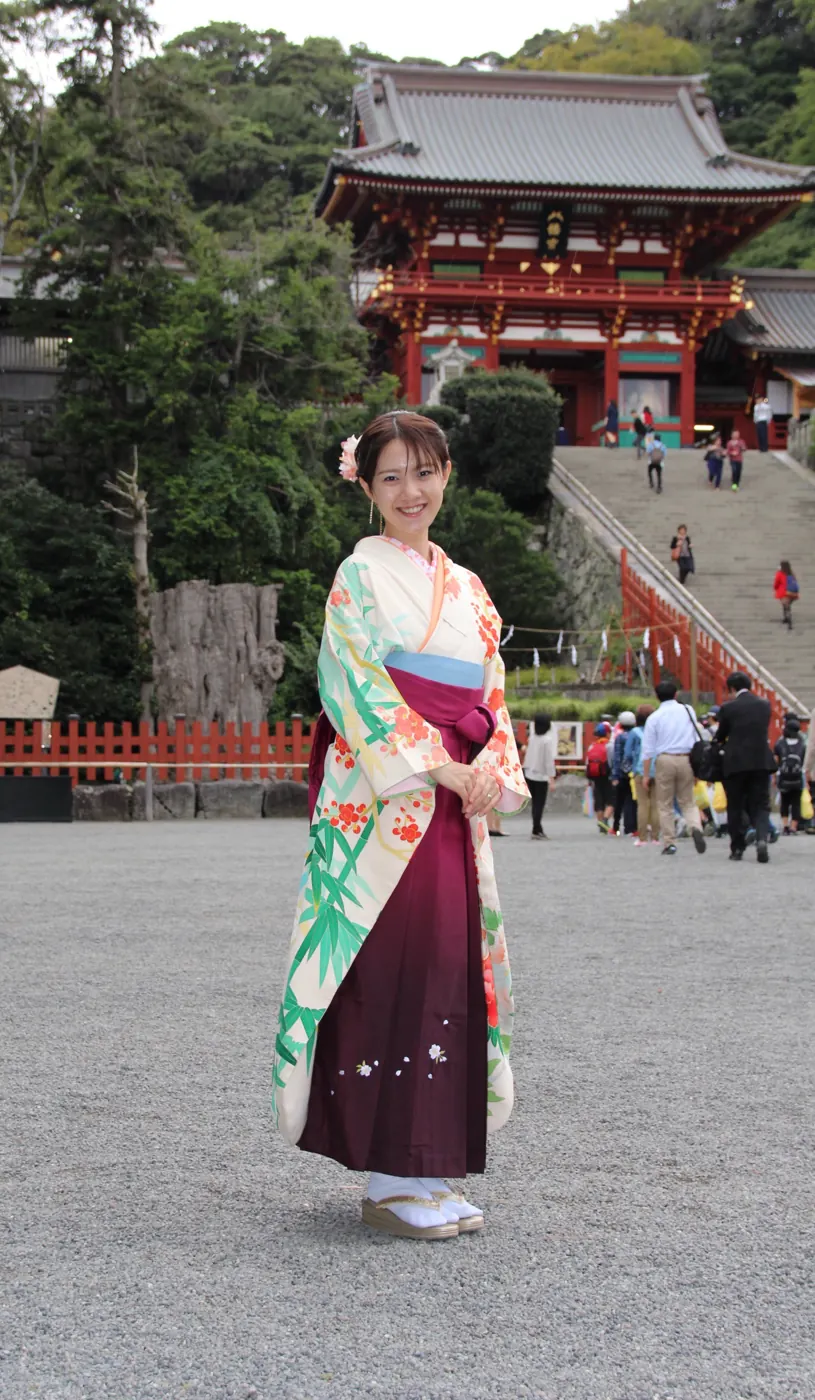
Hakama (袴) are a type of traditional Japanese clothing for the lower body.
Hakama are tied at the waist and fall approximately to the ankles. They are often worn over a kimono called a hakamashita, literally "under the hakama", but can be worn over a regular kimono.
There are two types of hakama: umanori (馬乗り, horse-riding hakama), which are trousers with divided legs, and andon bakama (行灯袴, lantern hakama), which is a undivided skirt style. Both of these types appear similar. A "mountain" or "field" type of umanori hakama was traditionally worn by field or forest workers. These are looser in the waist and narrower in the leg.
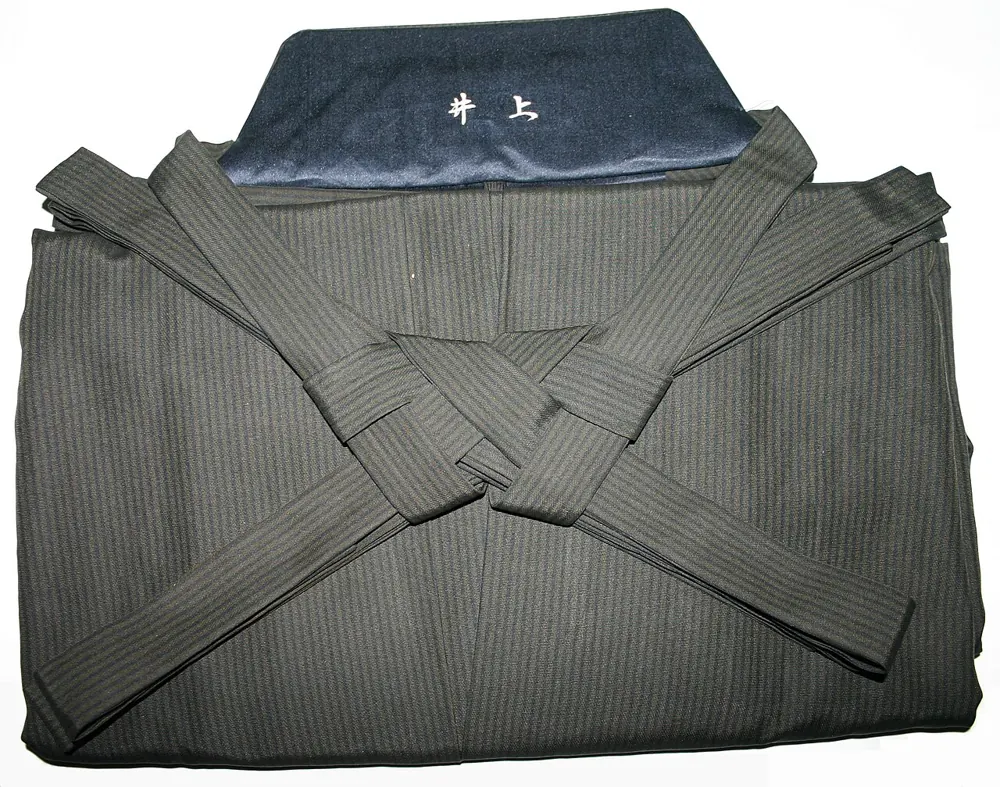
Hakama are secured by four straps (himo): two longer himo attached on either side of the front of the garment, and two shorter himo attached on either side of the rear. The rear of the garment may have a rigid trapezoidal section, called a koshi-ita (腰板). Below that on the inside, there may be a hakama-dome (袴止め) (a spoon-shaped component sometimes referred to as a hera), which is tucked into the obi or himo at the rear and helps to keep the hakama in place.
Hakama, especially those for martial arts, may have seven deep pleats, two on the back and five on the front.
Text from Wikipedia: Hakama — CC BY-SA 4.0. Read more on Wikipedia →
Japan Tourism Agency explanations
旅Try it yourself: Hakama
Live prices and reviews from GetYourGuide. Many tours can be cancelled for free — check each listing.
Ad: we may earn a commission if you book through these links, at no extra cost to you.
Compare whether a rail pass saves money on your route before you buy tickets.
Check prices →Japan eSIM / mobile data
Ad: we may earn a commission if you book through these links, at no extra cost to you.
問Questions visitors ask
What is Hakama?
Hakama (袴) are a type of traditional Japanese clothing for the lower body.
衣What people wear
 Kimono和服
 Yukata浴衣
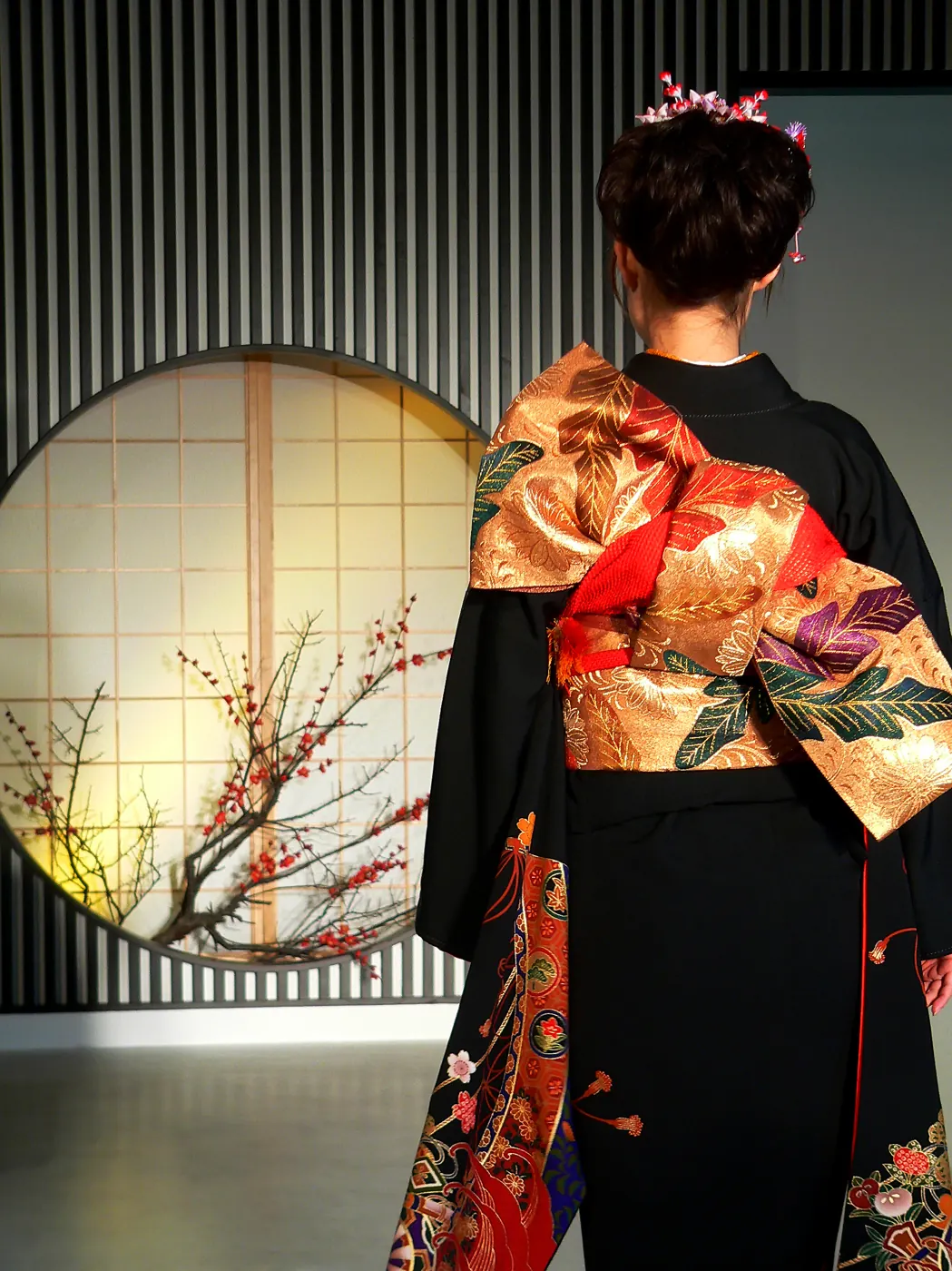 Obi帯
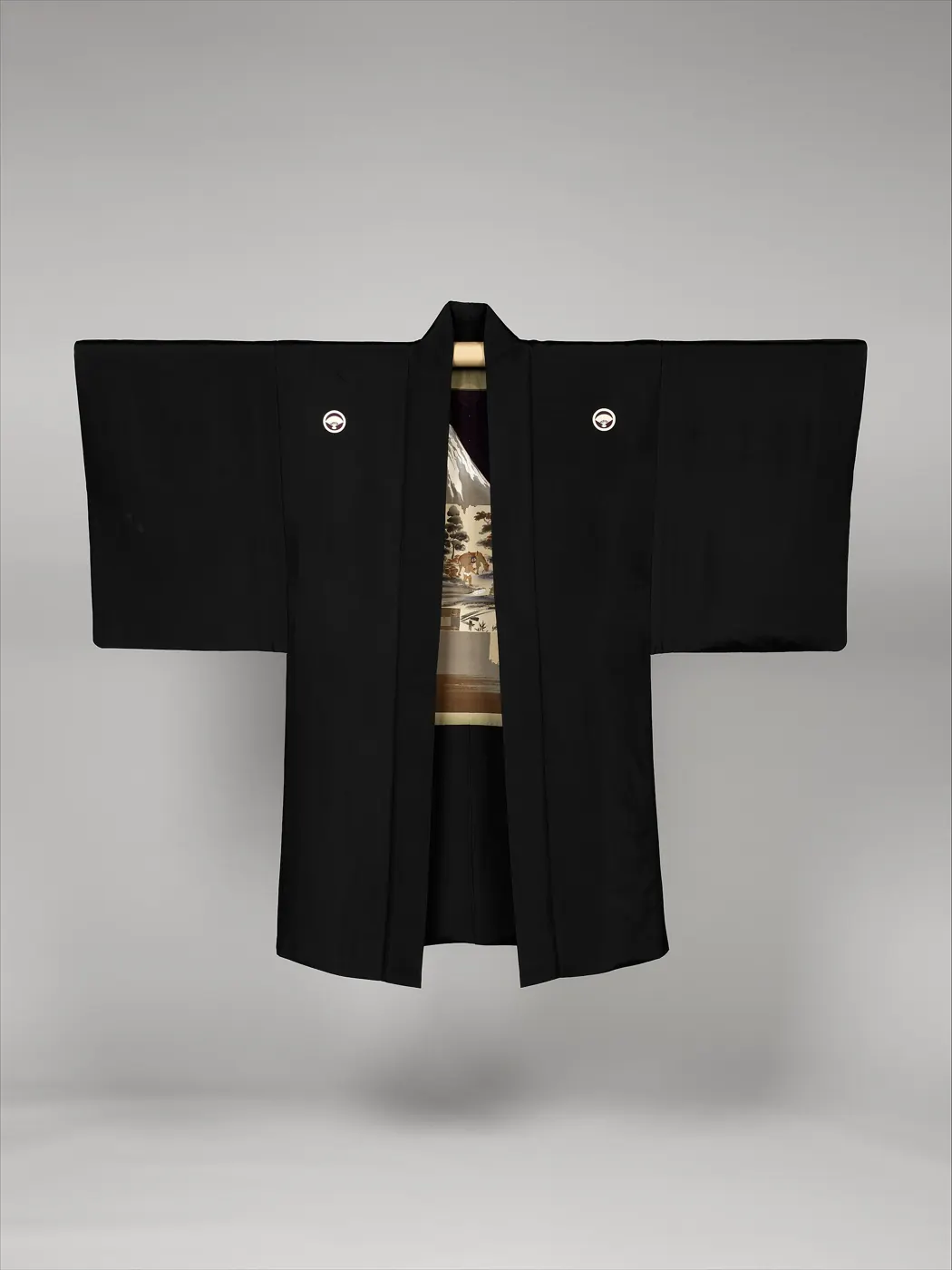 Haori羽織
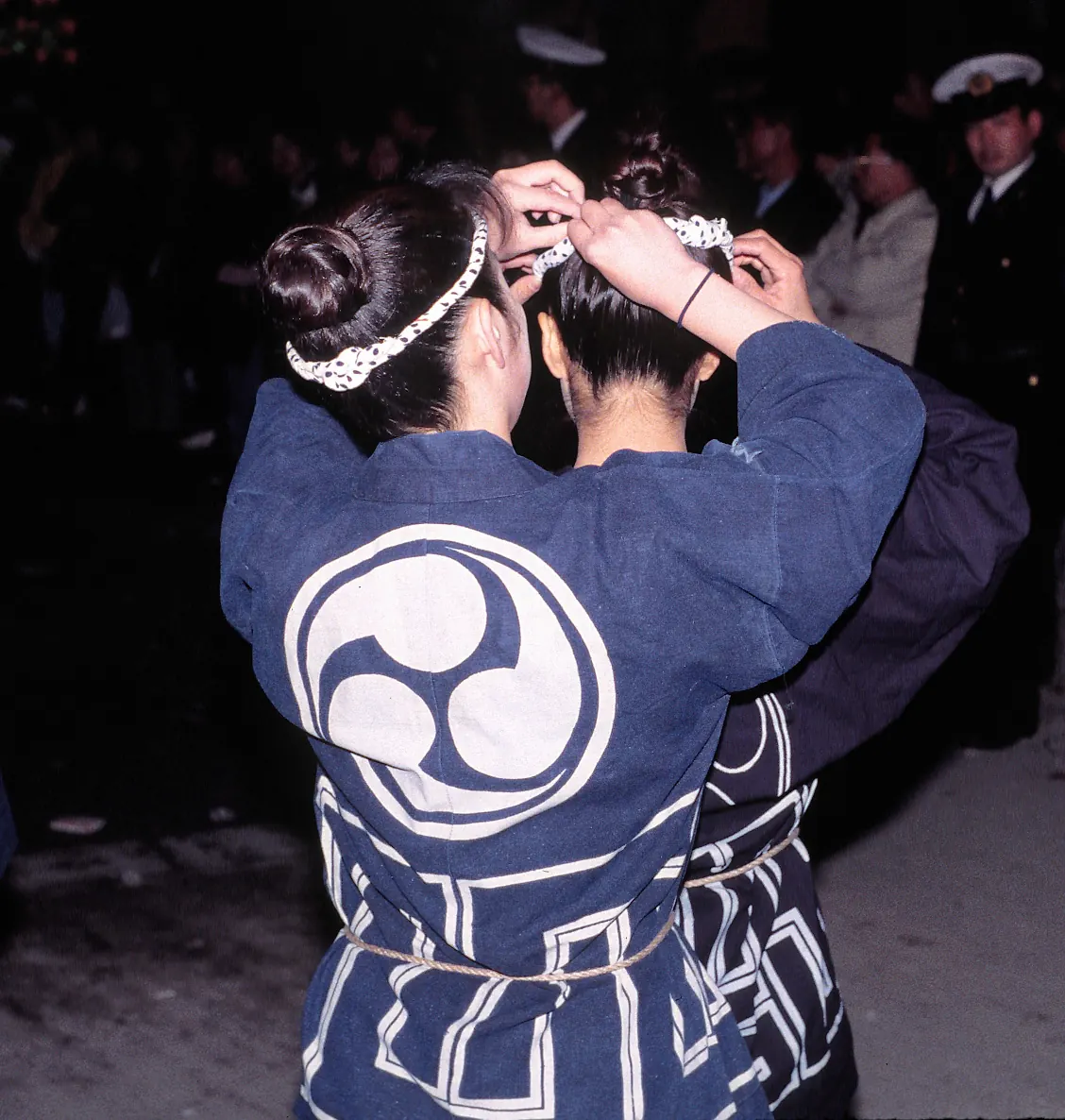 Happi coat法被
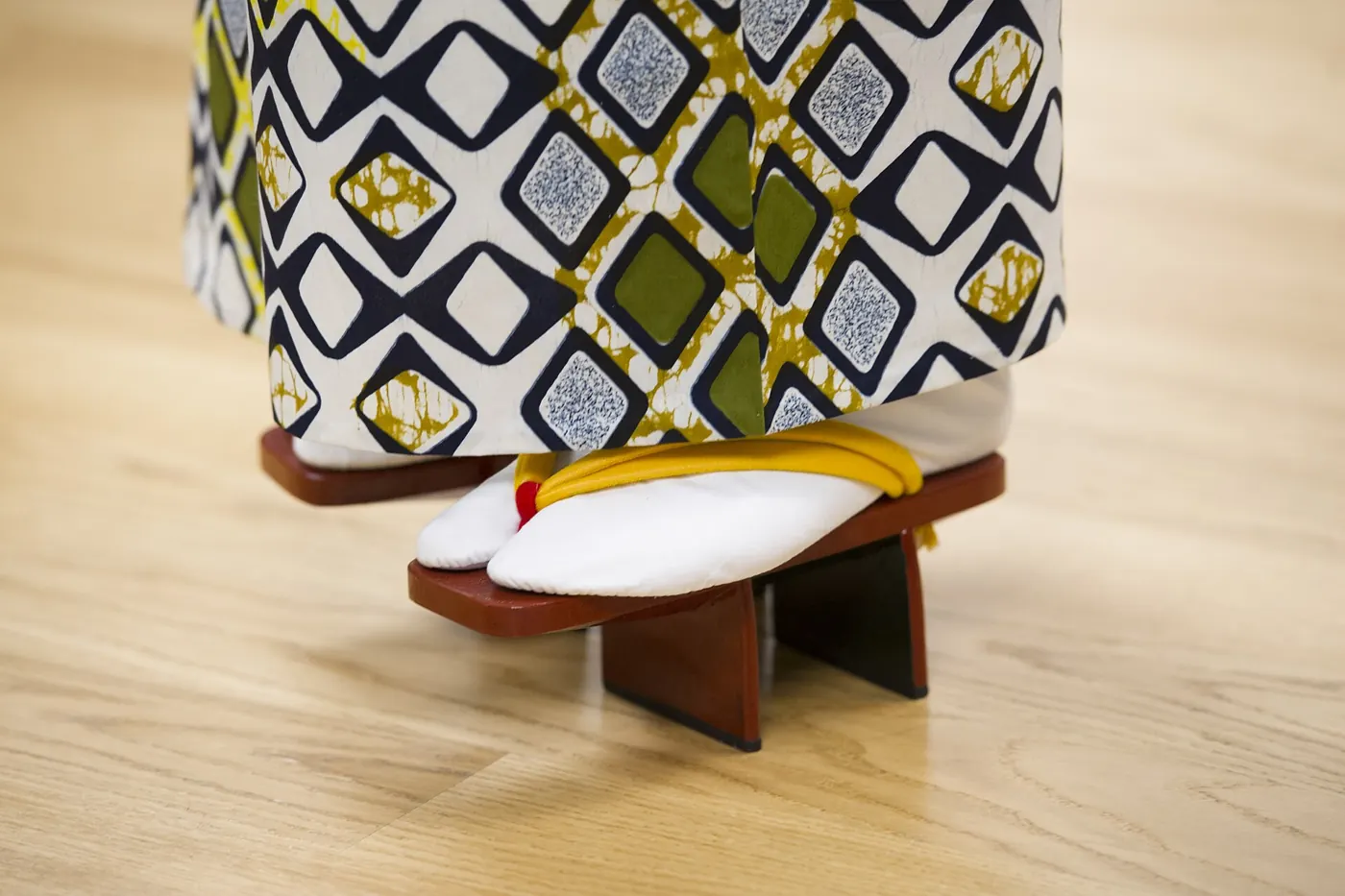 Geta下駄
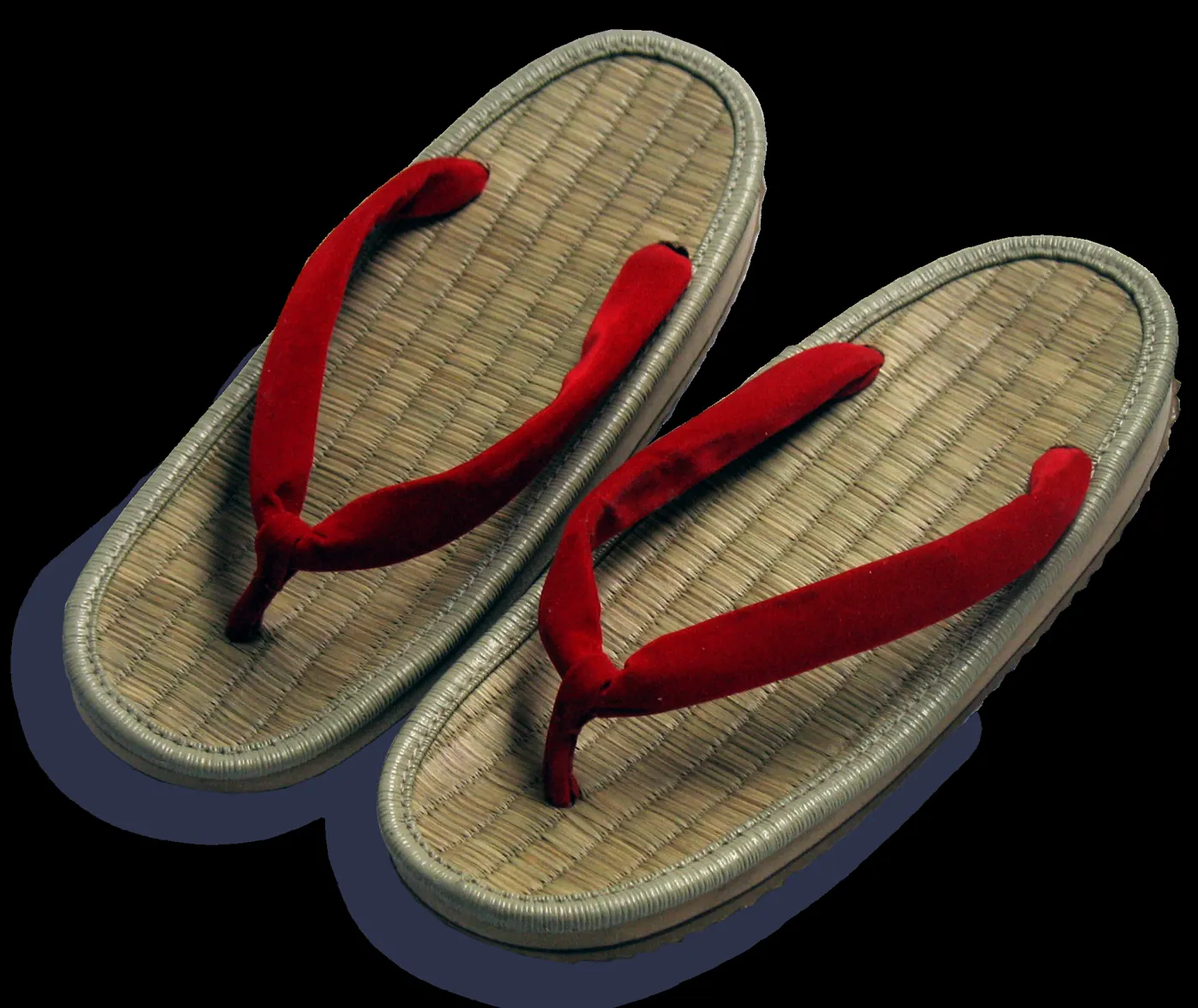 Zōri草履
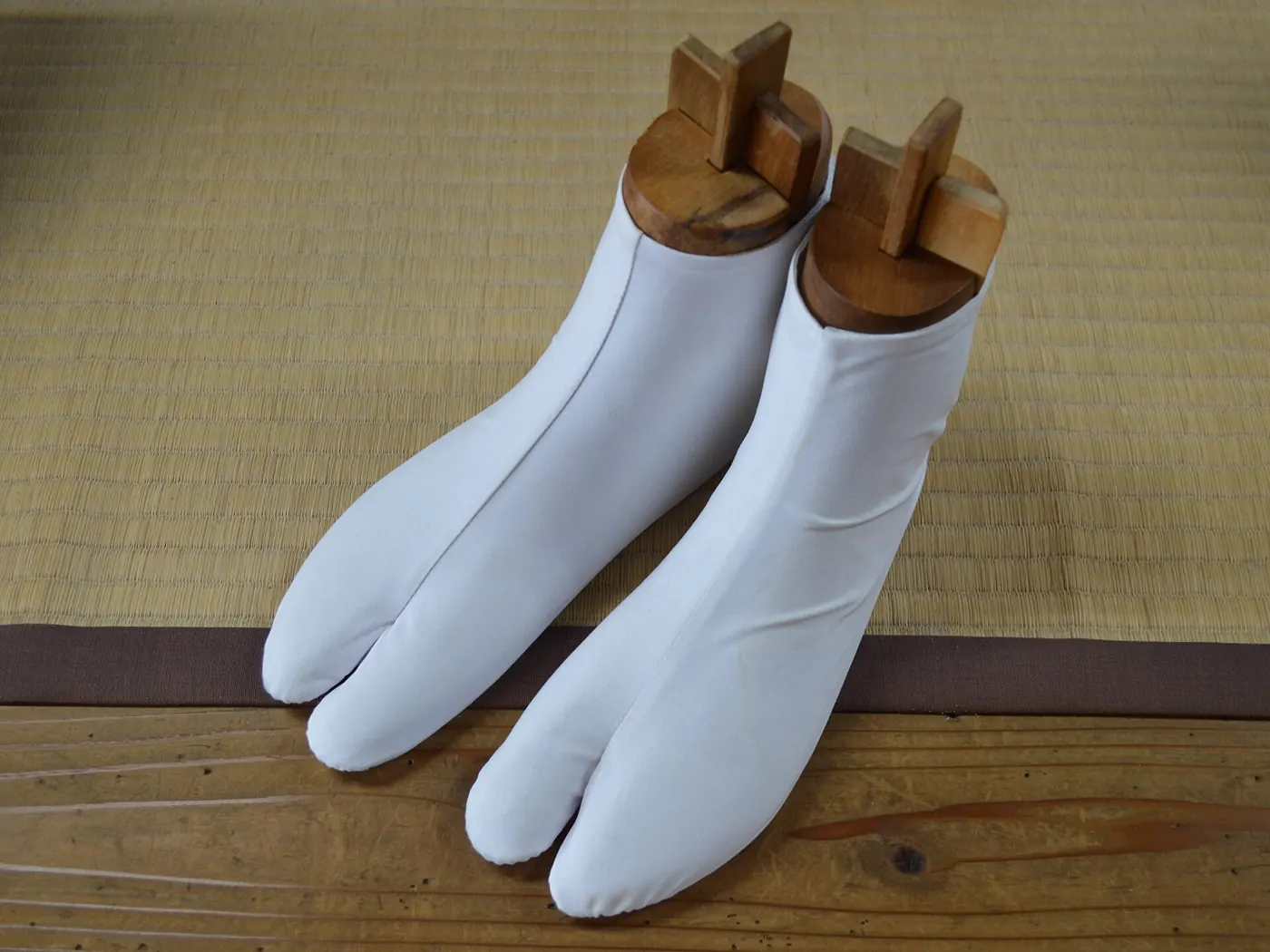 Tabi足袋
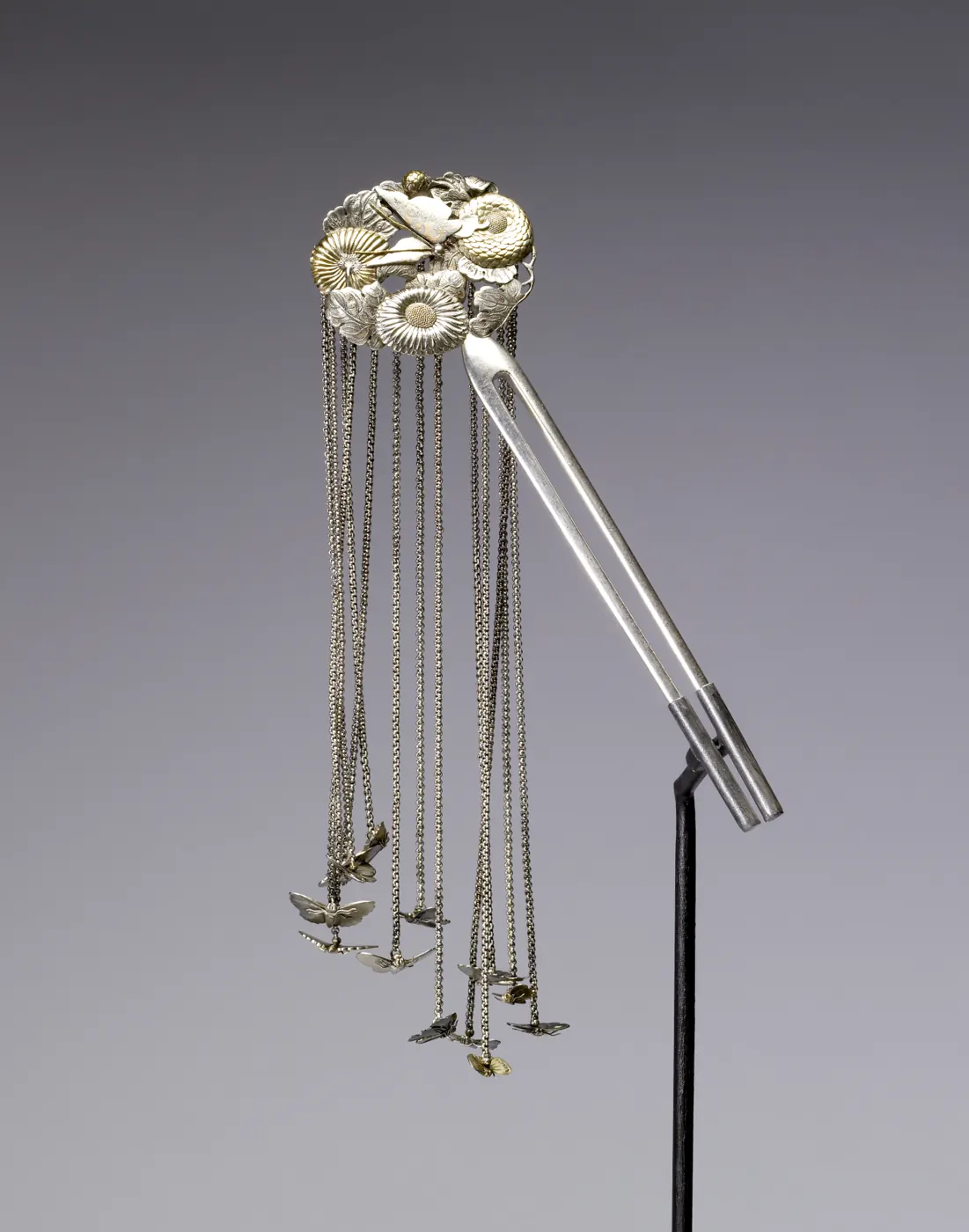 Kanzashi簪
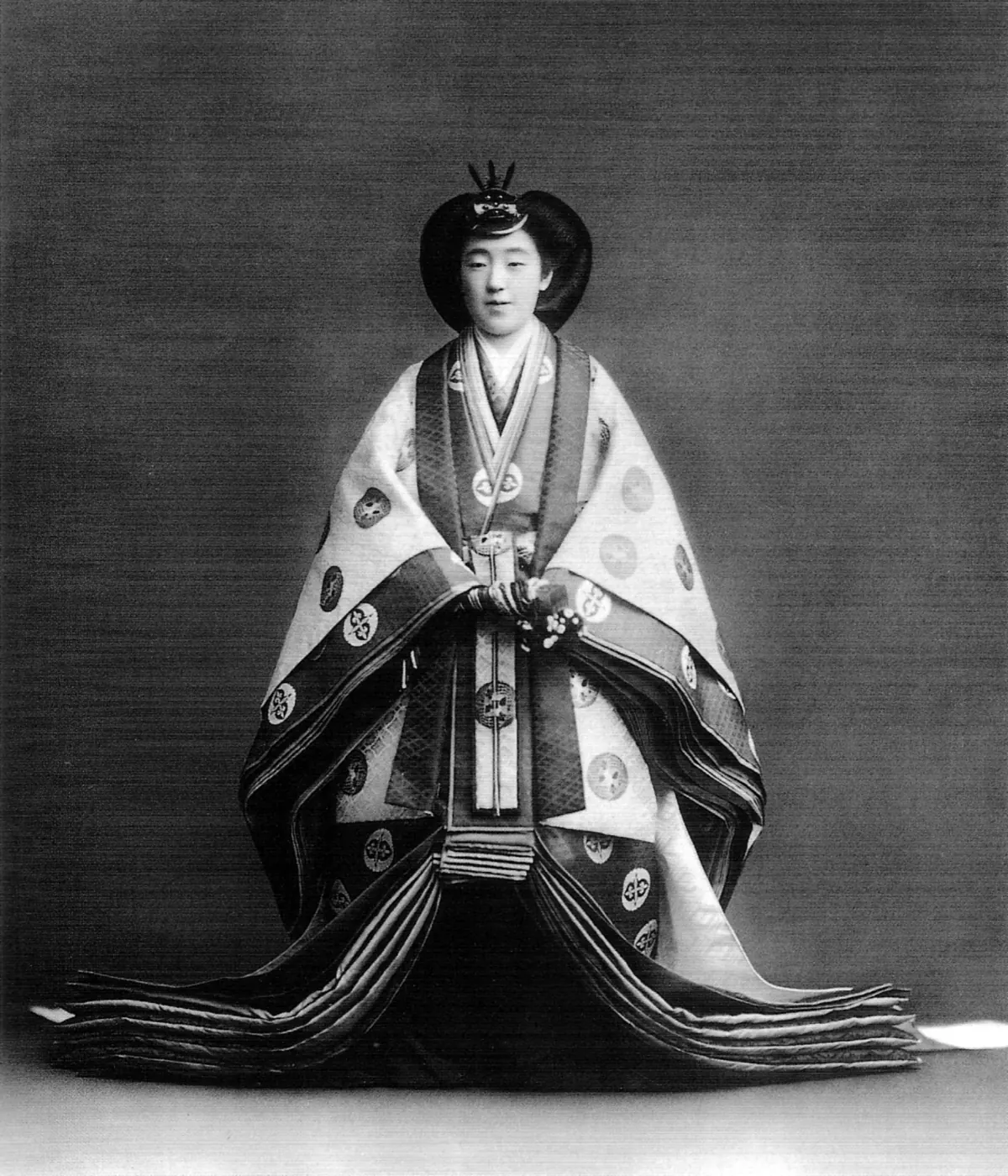 Jūnihitoe十二単
Open the scanner and compare →