What is this? › Guardians, charms & creatures
土偶Dogū (Jōmon figures)
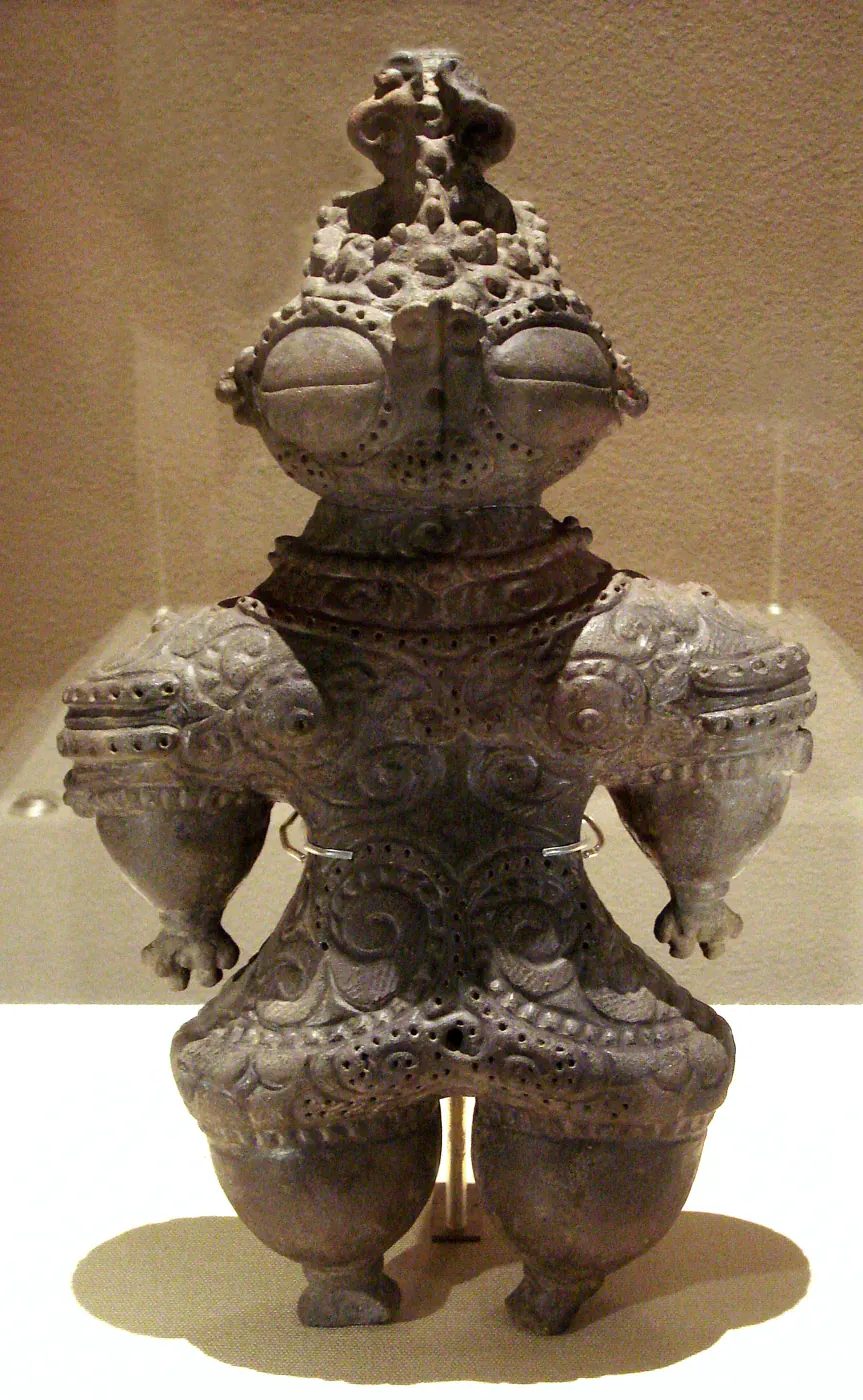
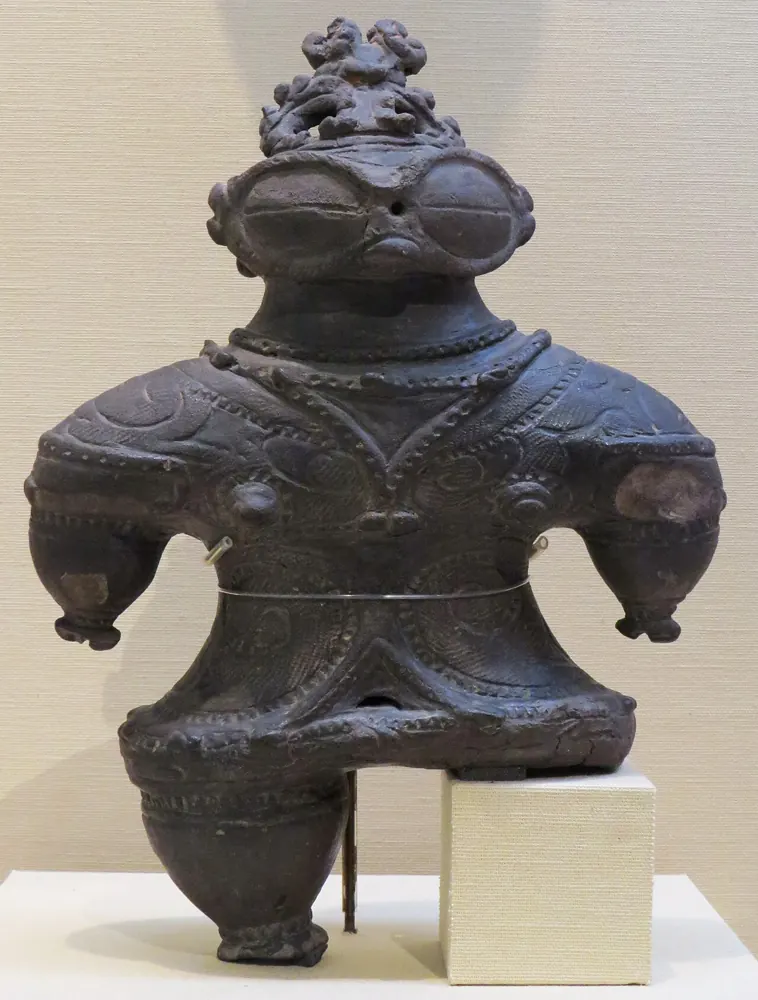
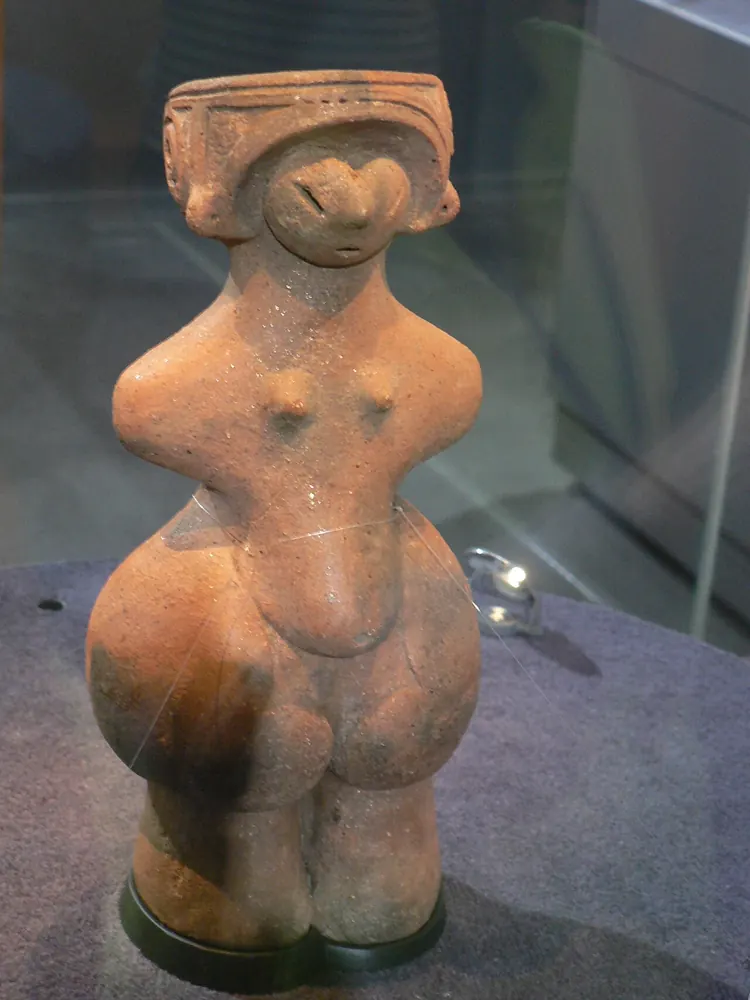
Dogū (Japanese: 土偶; IPA:; literally "earthen figure") are small humanoid and animal figurines made during the later part of the Jōmon period (14,000–400 BCE) of prehistoric Japan. Dogū come exclusively from the Jōmon period, and were no longer made by the following Yayoi period. There are various styles of dogū, depending on the exhumation area and time period.
The National Museum of Japanese History estimates that the total number of dogū is approximately 15,000, while The Japan Times places the figure at approximately 18,000. Dogū were made across all of Japan, except Okinawa. Most of the dogū have been found in eastern Japan and it is rare to find one in western Japan. The purpose of the dogū remains unknown and should not be confused with the clay haniwa funerary objects of the Kofun period (250 – 538 CE).
Everyday ceramic items from the period are called Jōmon pottery.
Text from Wikipedia: Dogū — CC BY-SA 4.0. Read more on Wikipedia →
Japan Tourism Agency explanations
旅Try it yourself: Dogū (Jōmon figures)
Live prices and reviews from GetYourGuide. Many tours can be cancelled for free — check each listing.
Ad: we may earn a commission if you book through these links, at no extra cost to you.
Compare whether a rail pass saves money on your route before you buy tickets.
Check prices →Japan eSIM / mobile data
Ad: we may earn a commission if you book through these links, at no extra cost to you.
問Questions visitors ask
What is Dogū (Jōmon figures)?
Dogū (Japanese: 土偶; IPA: [do̞ɡɯ̟ː]; literally "earthen figure") are small humanoid and animal figurines made during the later part of the Jōmon period (14,000–400 BCE) of prehistoric Japan.
守Guardians, charms & creatures
 Dragon竜
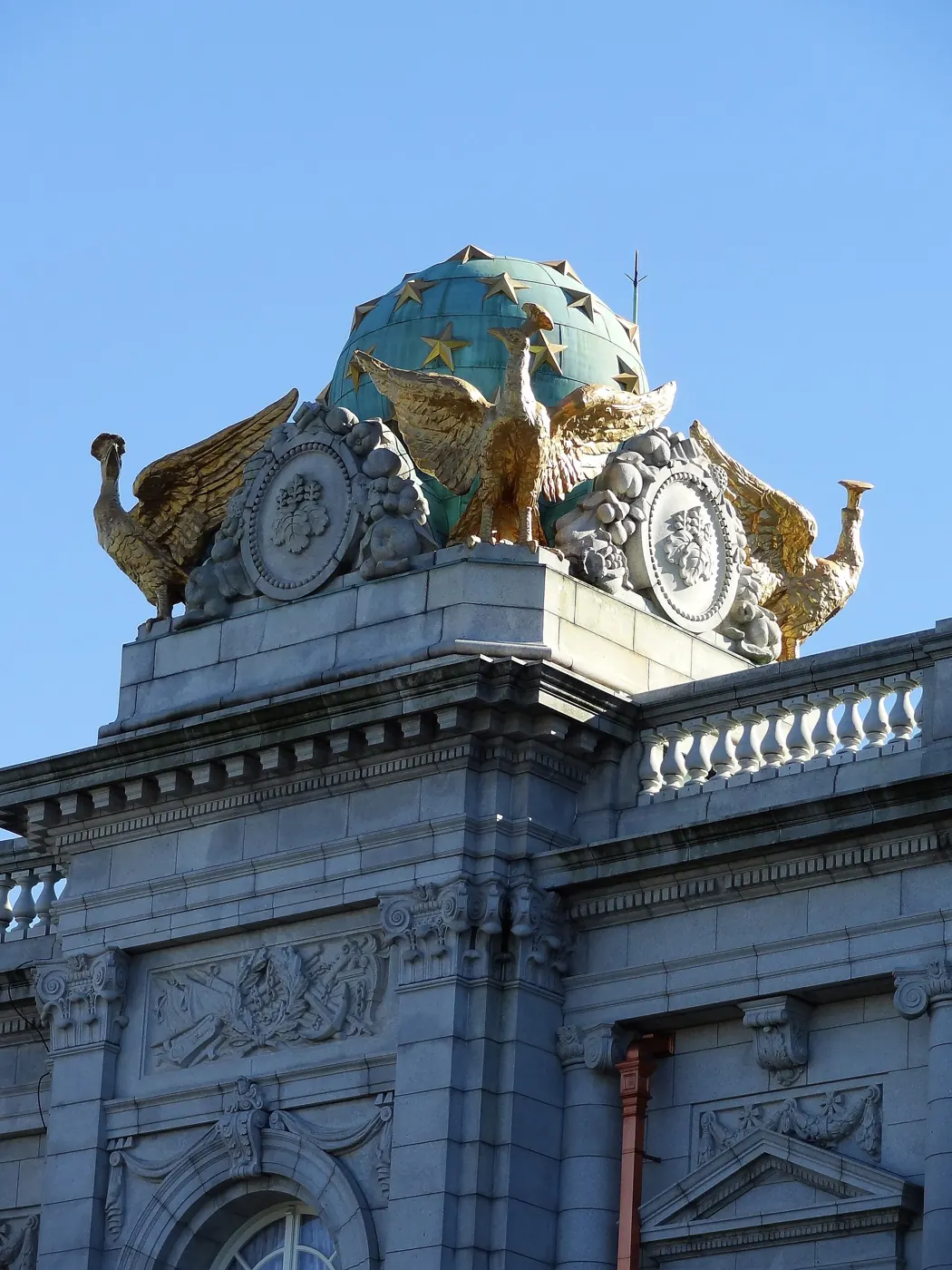 Phoenix鳳凰
 Shachihoko鯱
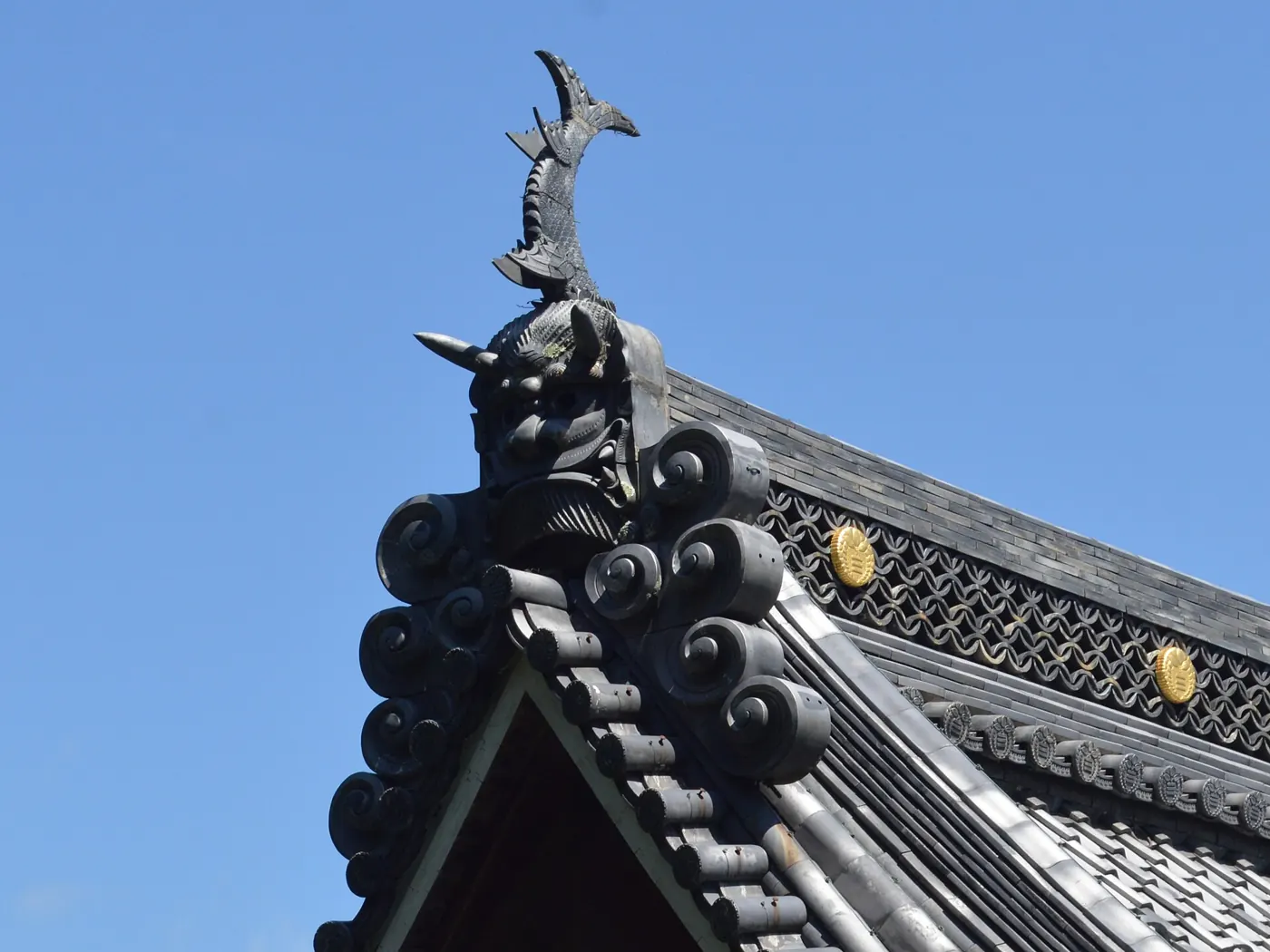 Onigawara鬼瓦
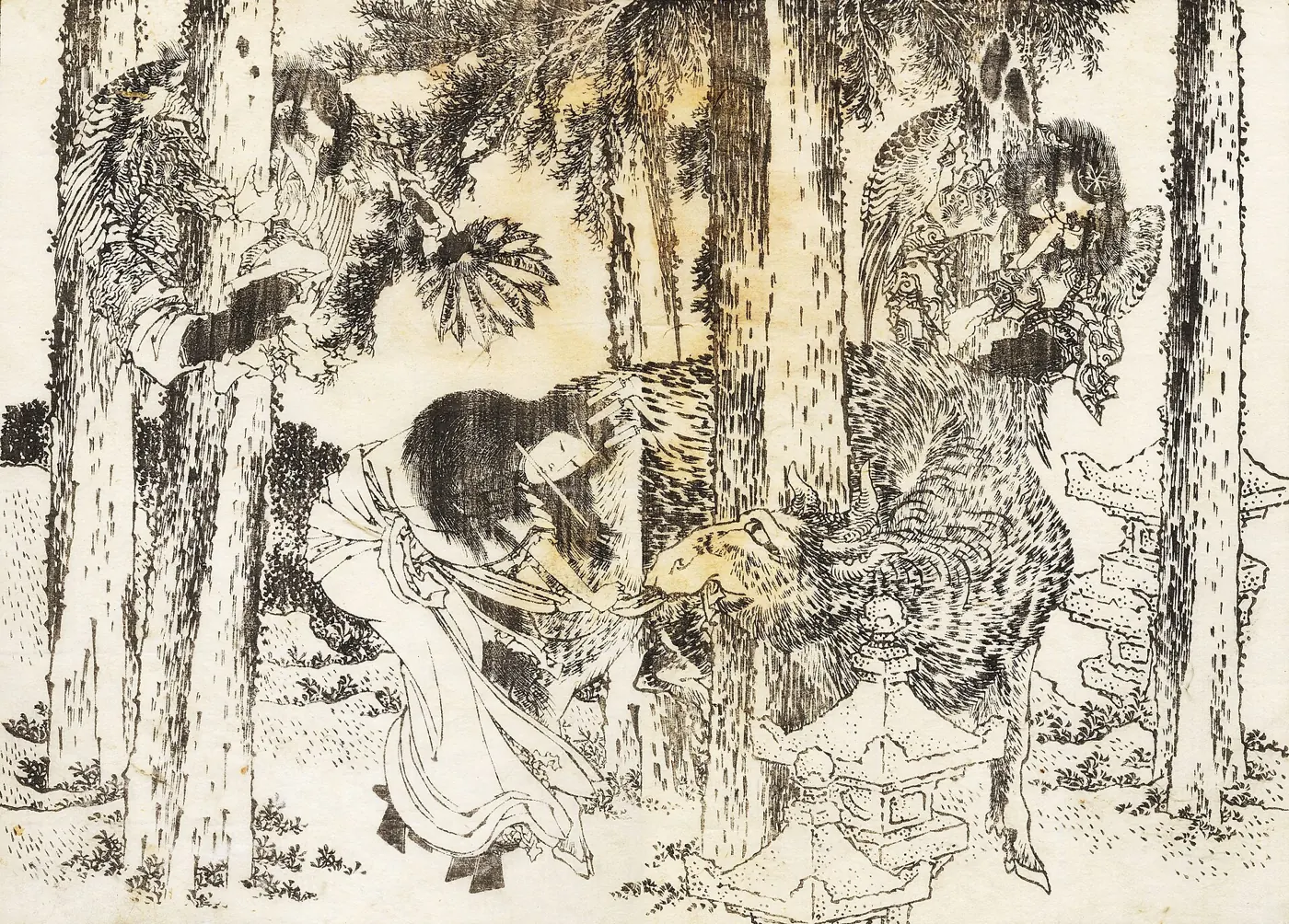 Tengu天狗
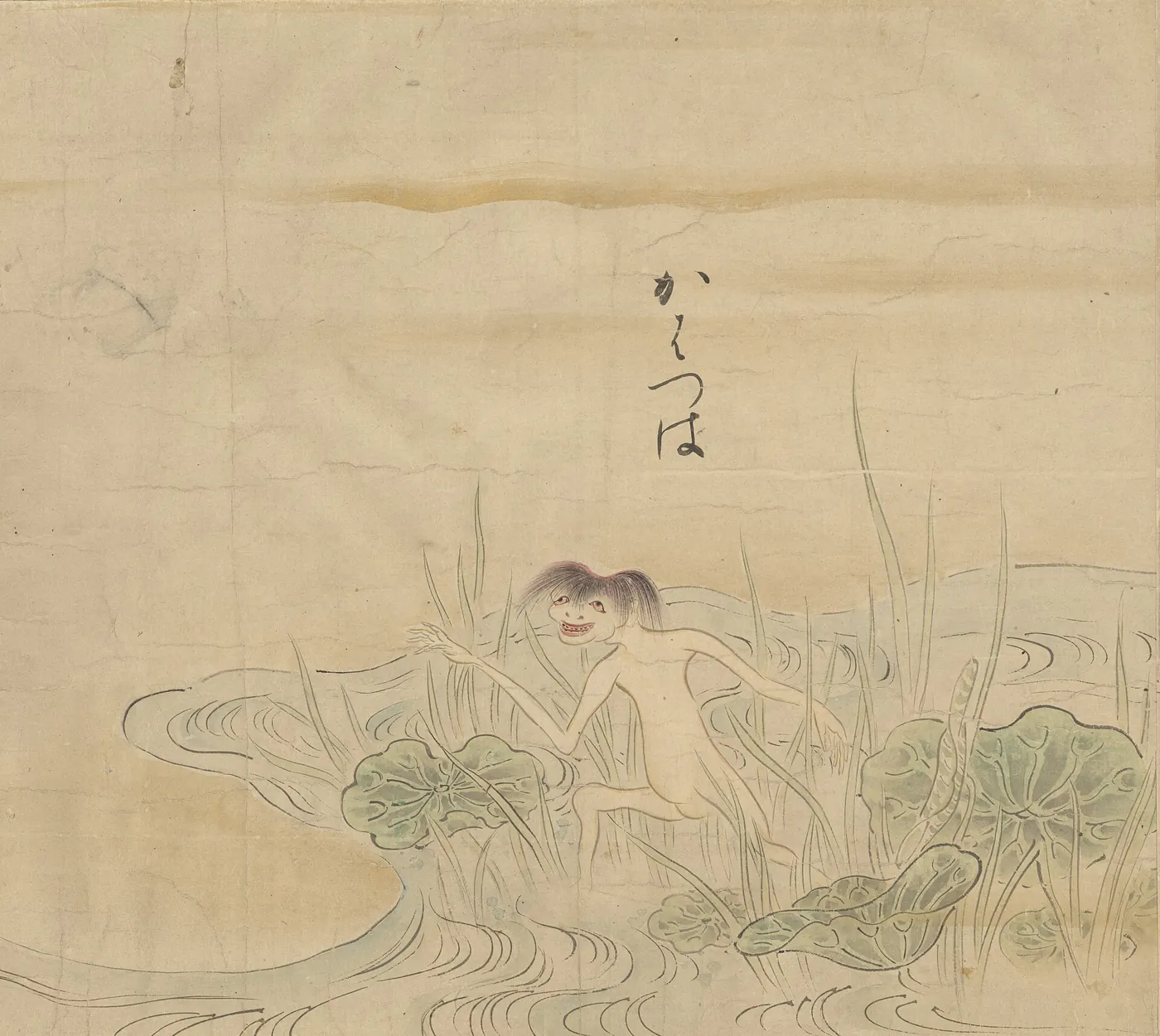 Kappa河童
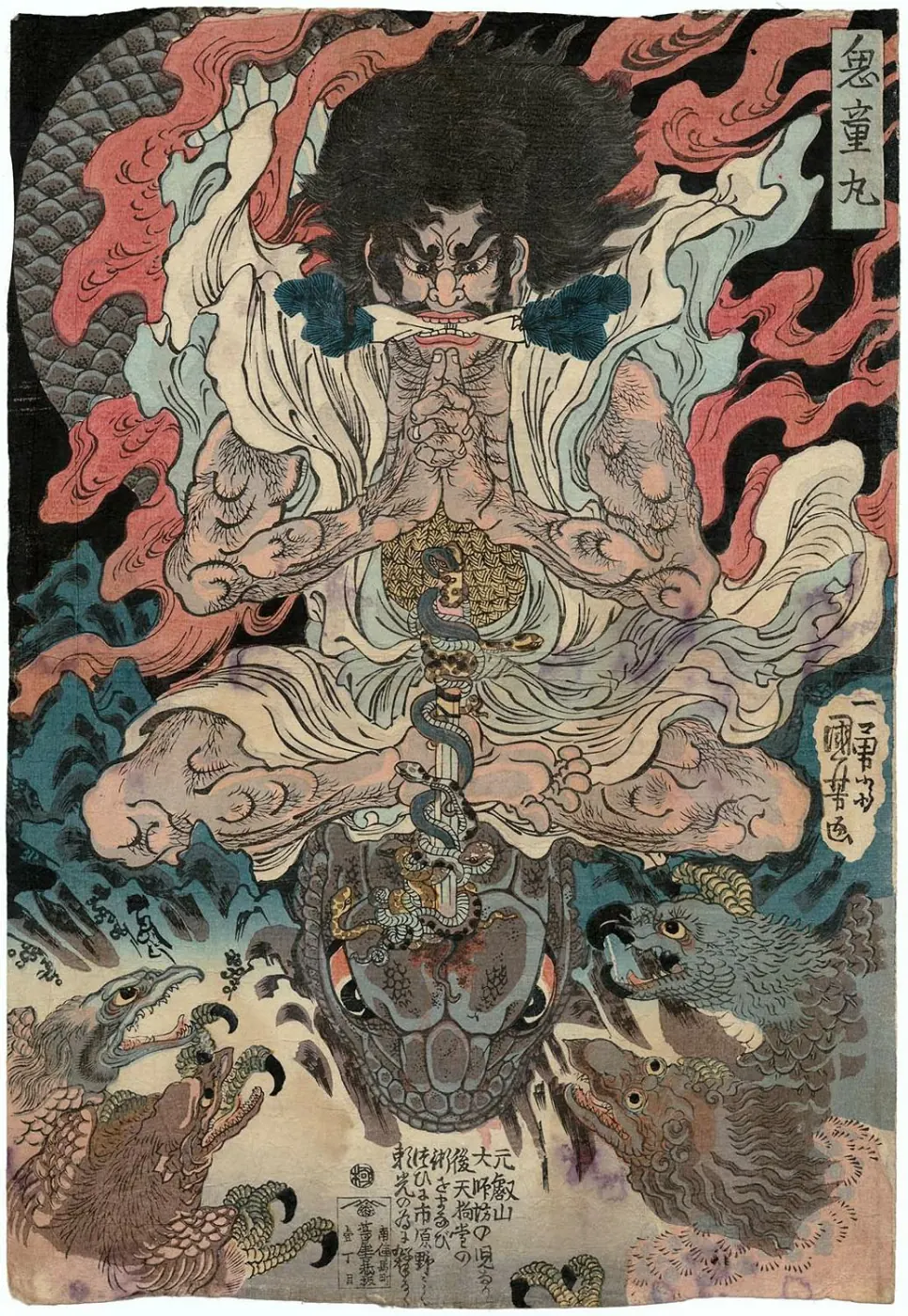
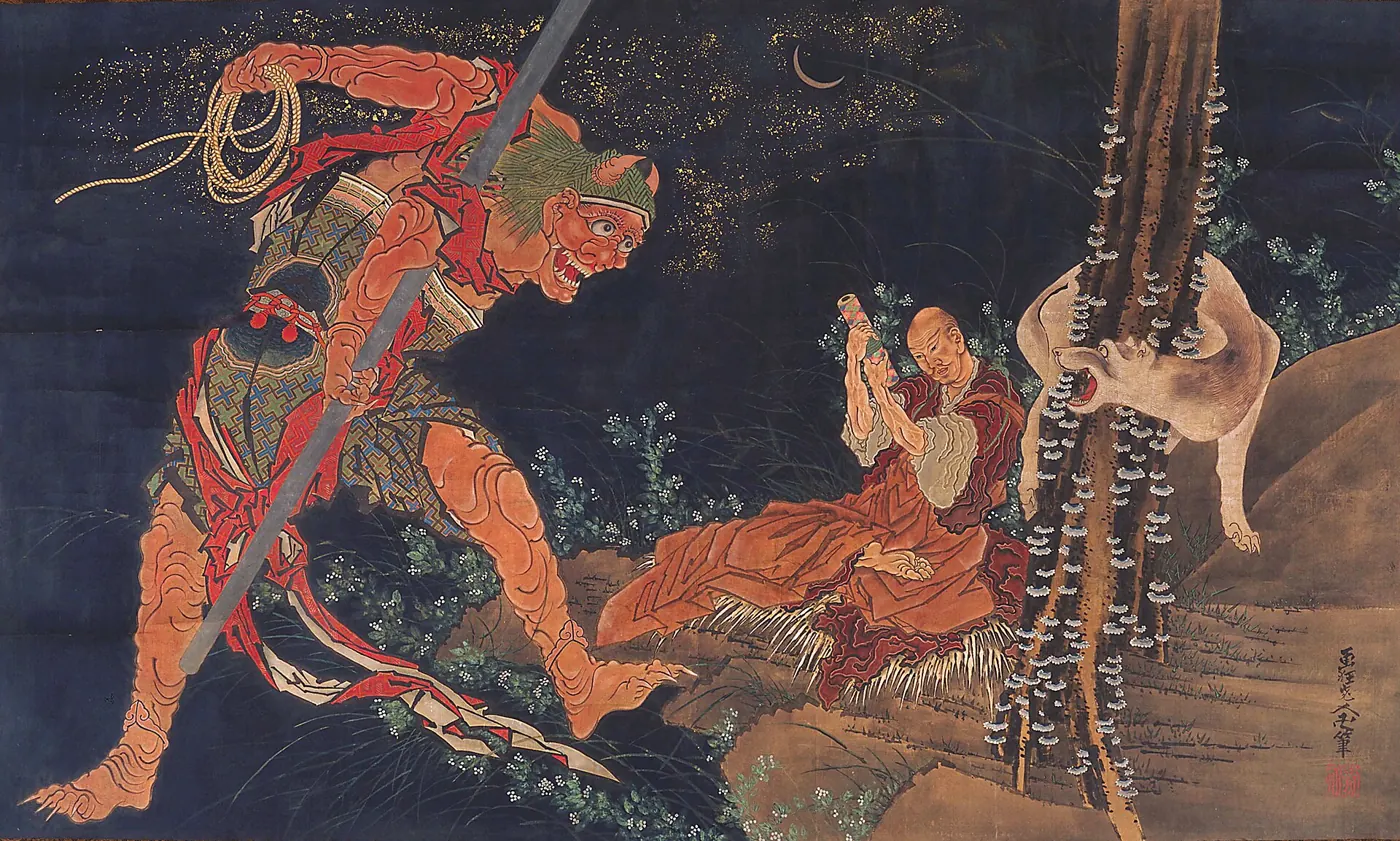 Oni鬼
 Yōkai妖怪
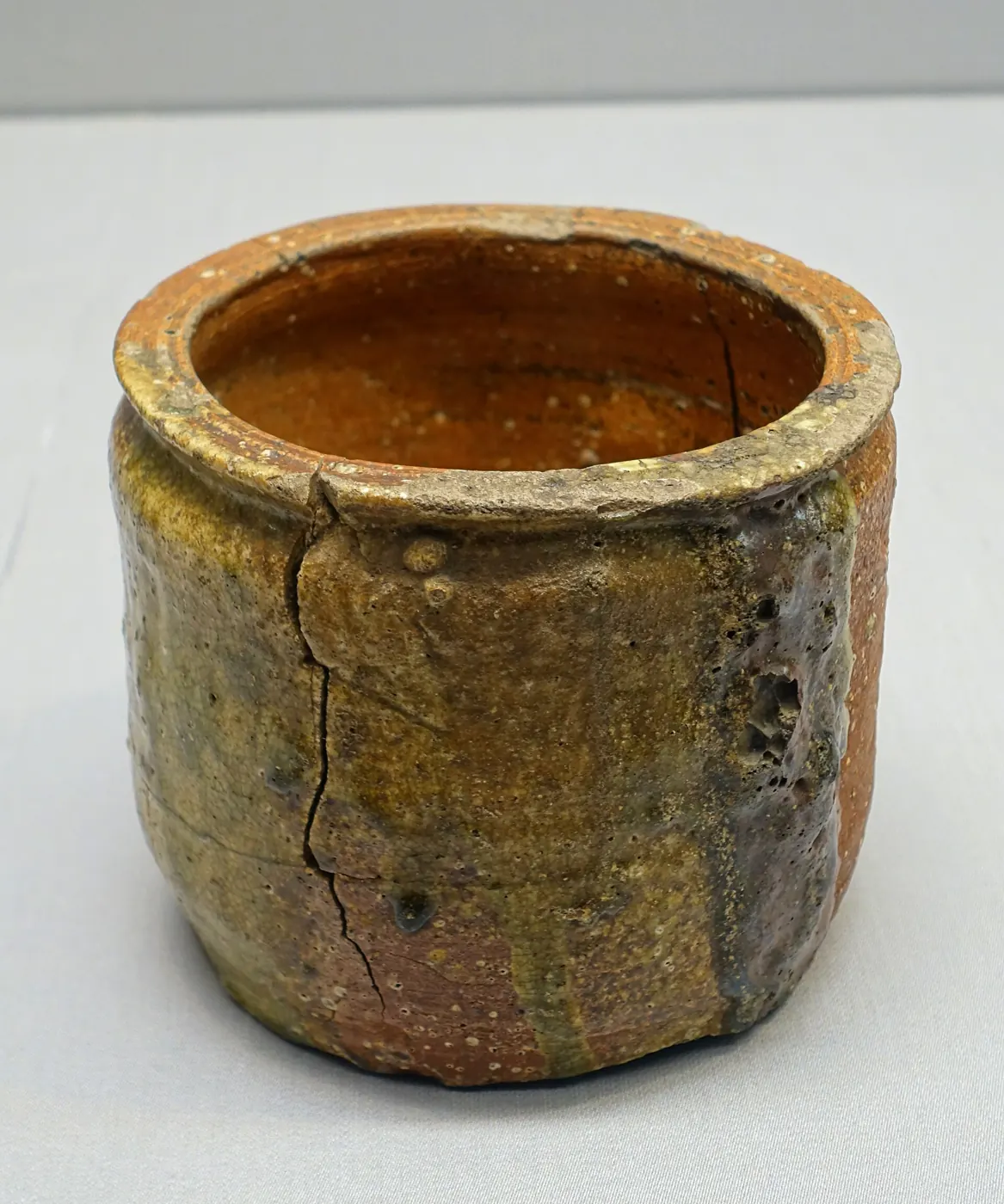 Tanuki statues信楽焼
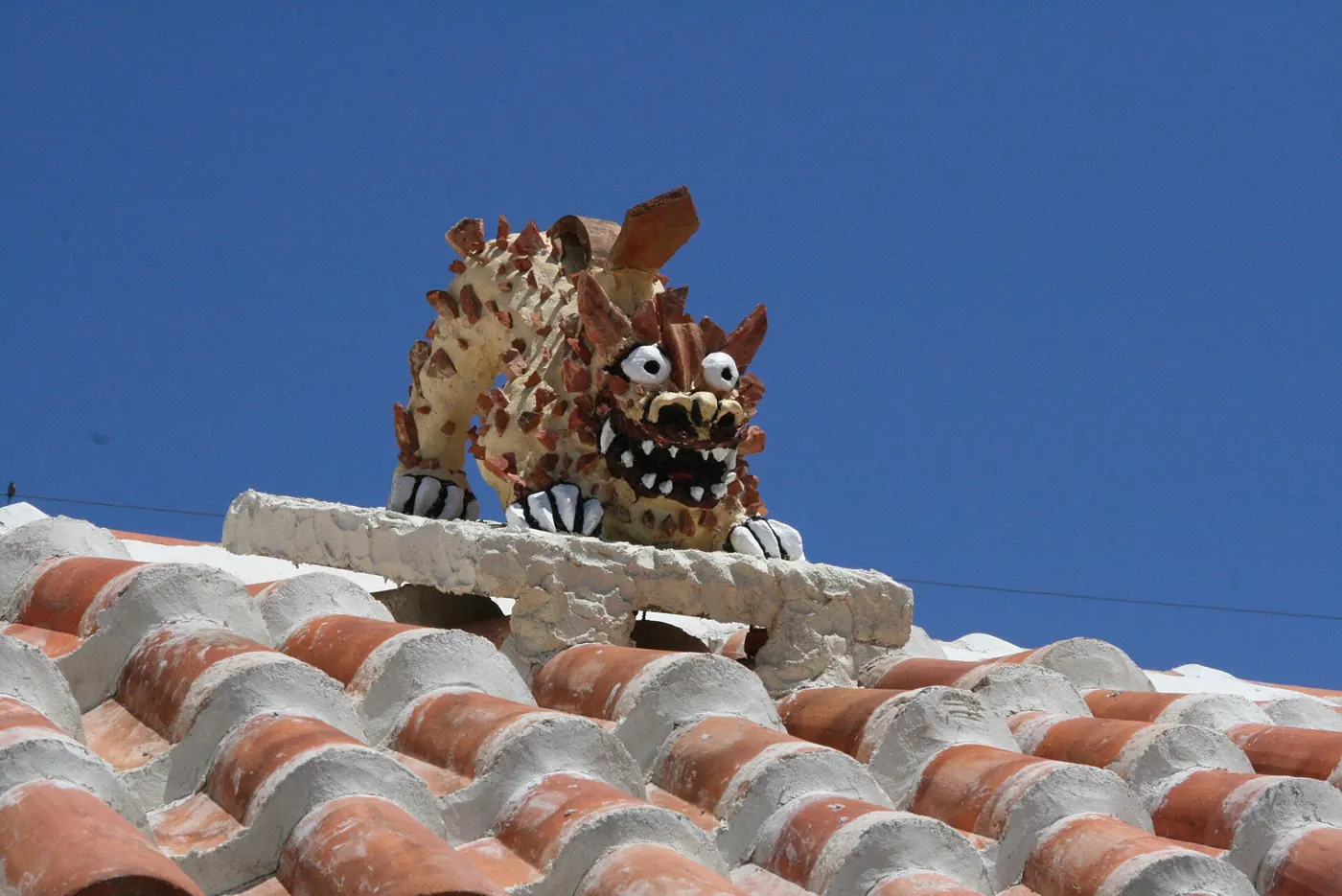 Shīsāシーサー
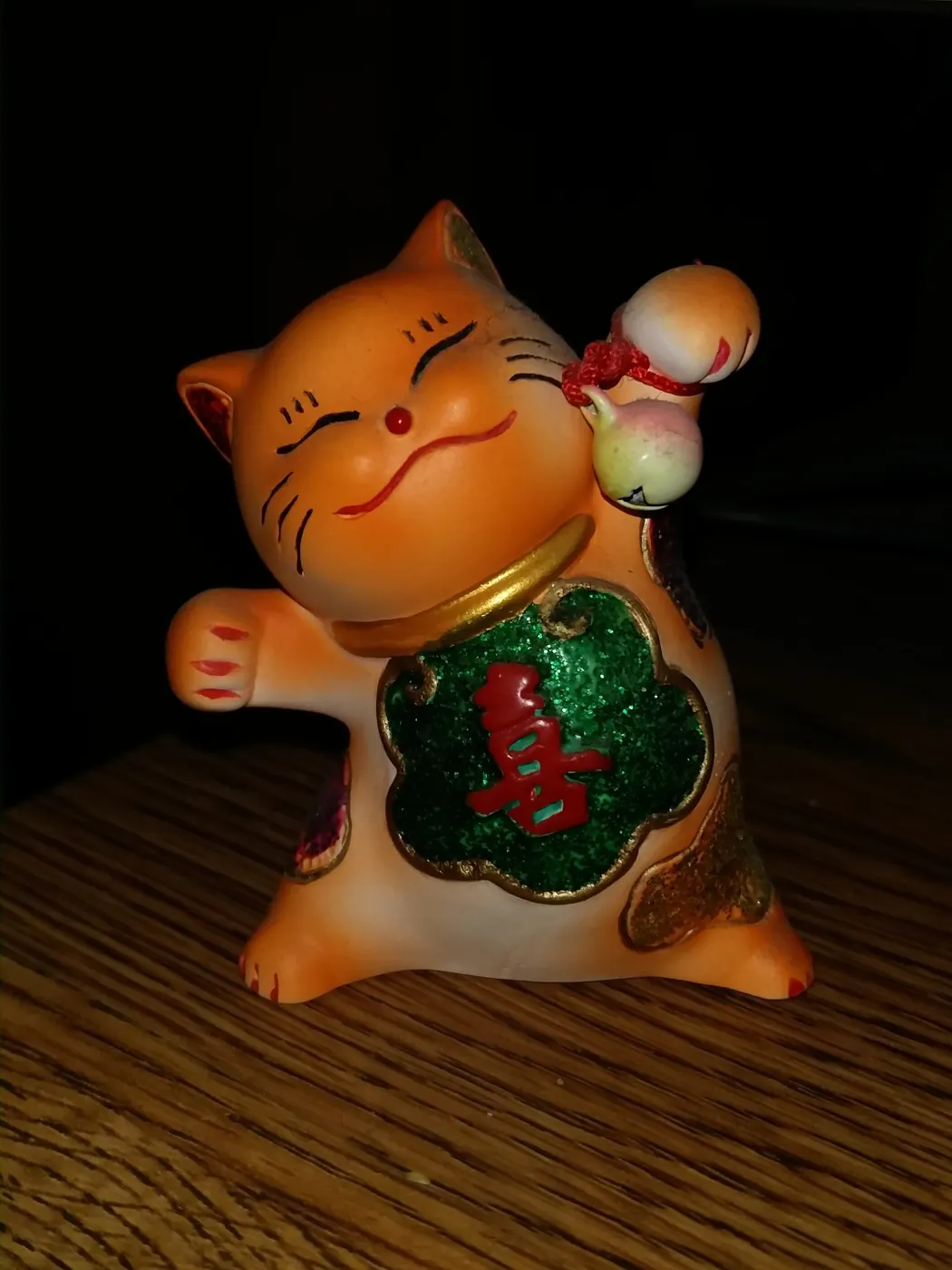 Maneki-neko招き猫
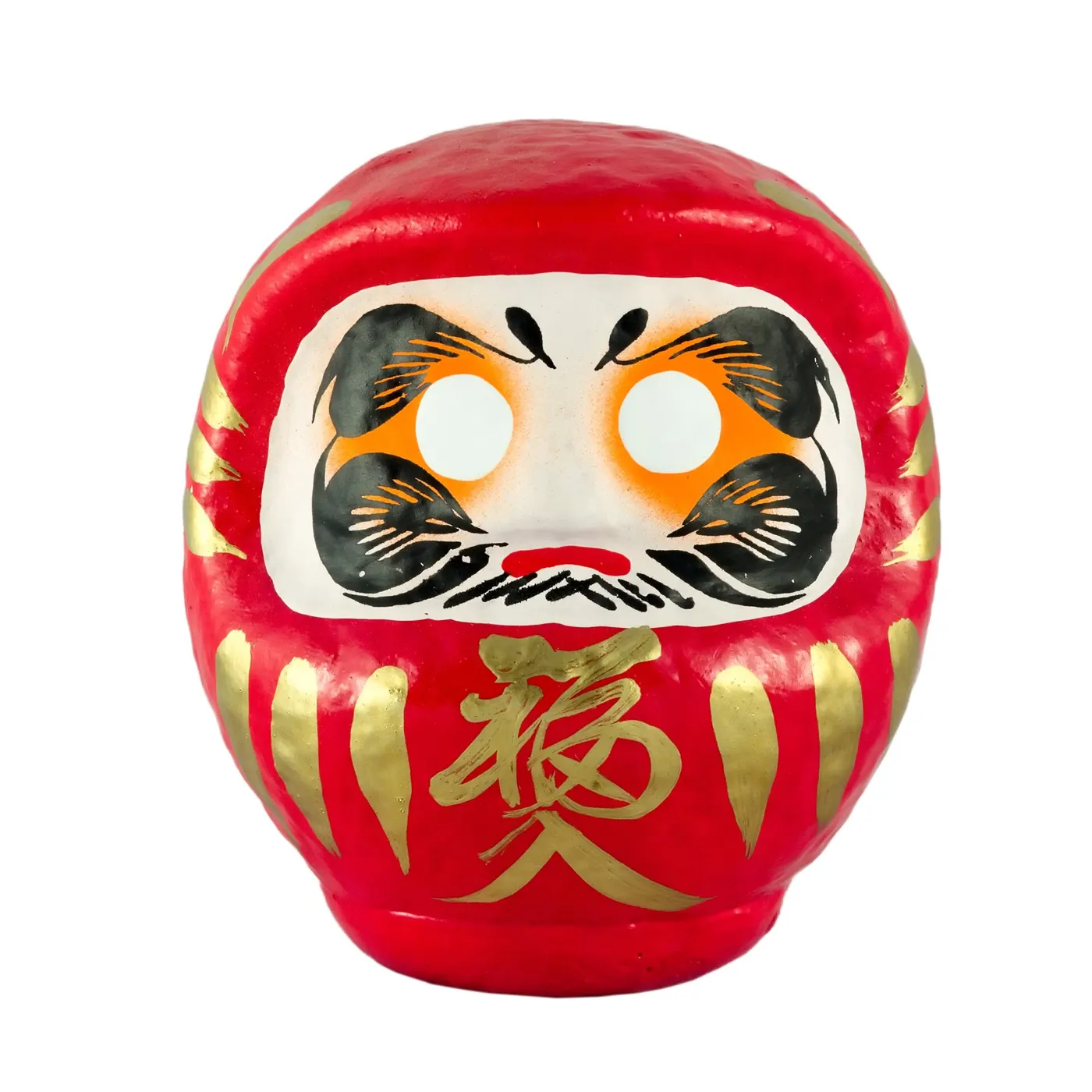 Darumaだるま
Open the scanner and compare →