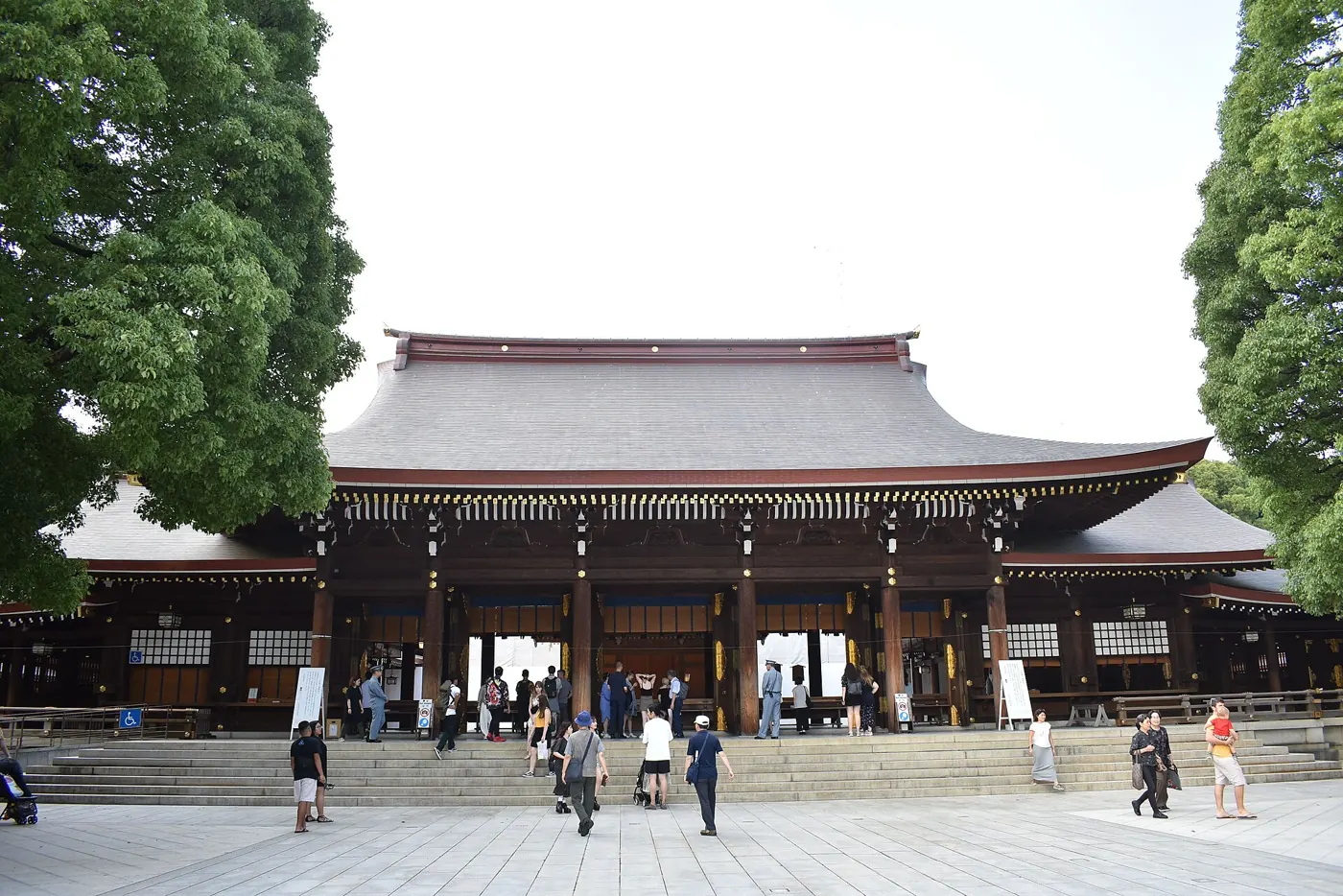
早In 30 seconds
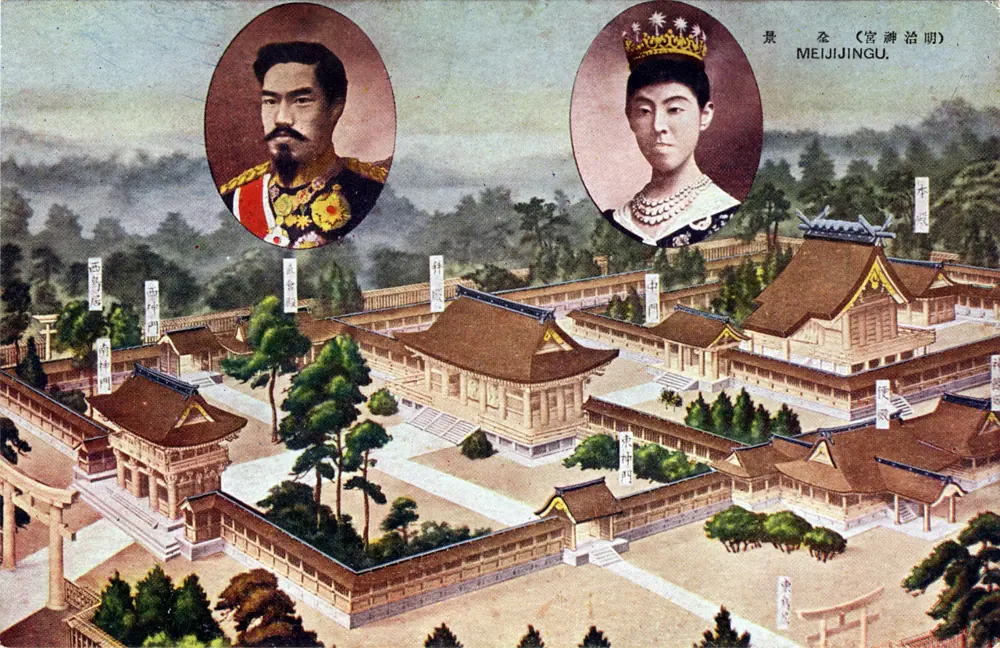
A Shinto shrine for Emperor Meiji and Empress Shōken, inside a forest planted by hand in central Tokyo. It honours their spirits — it is not their grave, which is in Kyoto. The approach is a long gravel path under giant wooden torii.
- 時Time neededAbout 1 hour (1.5–2 with the Inner Garden)
- 朝Best time of dayEarly morning, when the forest path is quiet
- 季Best seasonJune, when the irises bloom in the Inner Garden
- 券EntryGrounds free; some halls paid
見Don't miss these 4
- The great wooden torii
Plain, unpainted wood — very different from the red torii of Inari shrines. Bow once before you pass through.
- The sake and wine barrels
Rows of sake barrels offered by brewers, facing French wine barrels — a nod to Emperor Meiji opening Japan to the West. The wine barrels are modern gifts.
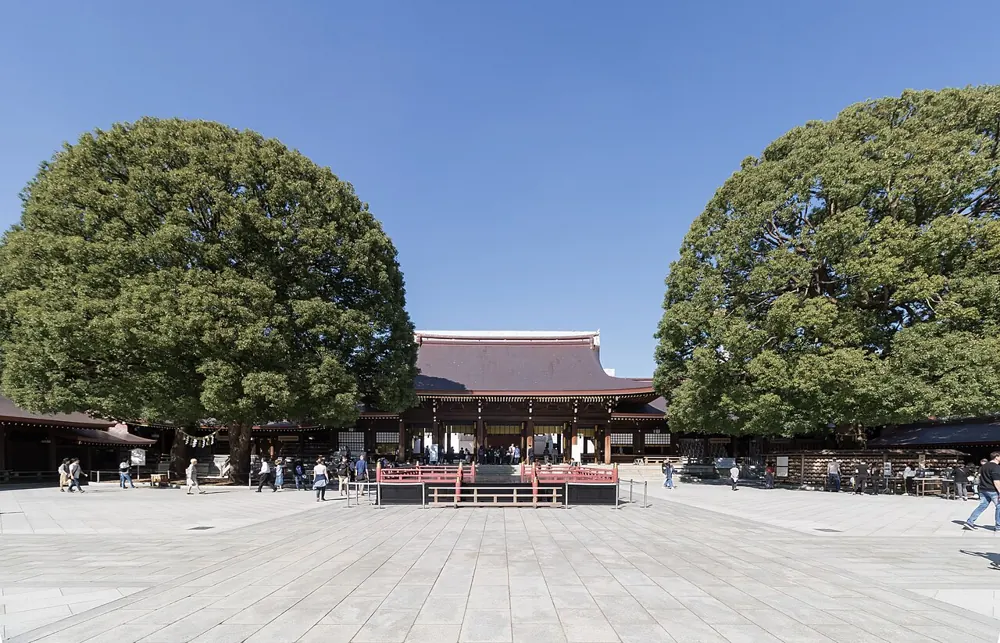
- The main hall
Pray the shrine way: two bows, two claps, one bow. On weekends you may see a traditional wedding procession cross the courtyard.
- Inner Garden (Gyoen)
A strolling garden (small fee) with a pond and Kiyomasa's Well. Famous for about 1,500 irises of 150 varieties in mid-June.
史History in brief
The shrine is completed. The forest around it was planted with trees donated by people from all over Japan.
The main buildings are destroyed in air raids.
The main hall is rebuilt, funded by public donations.
The Meiji Jingu Museum opens next to the main hall.
備Before you go
- 道
Walk at the side of the path — the centre is traditionally for the kami.
- 時
Gates open at sunrise and close at sunset, so the hours change every month — check the official site.
Checked on 2026-11-10 against these sources
- Meiji Jingu (official site)
- Meiji Shrine — Wikipedia
- GOOD LUCK TRIP: Meiji Jingu Shrine (irises, museum)
- Japan Travel: Meiji Jingu's Inner Gardens
伝 marks a legend or tradition, not a proven fact.
史About
Meiji Shrine (明治神宮, Meiji Jingū) is a Shinto shrine in Shibuya, Tokyo, that is dedicated to the deified spirits of Emperor Meiji and his wife, Empress Shōken. The shrine does not contain the emperor's grave, which is located at Fushimi-momoyama, south of Kyoto.
Text from Wikipedia: Meiji Shrine — CC BY-SA 4.0. Read more on Wikipedia →
要Quick facts
| Type | Shrine |
|---|---|
| Location | Yoyogi-Kamizonochō, Tokyo |
| Founded | 1920 |
| Designations | Important Cultural Property of Japan |
| Official website | meijijingu.or.jp |
| Nearest stations | Sangūbashi Station · 574 m Odakyū Odawara Line Kitasandō Station · 618 m Fukutoshin Line Harajuku Station · 726 m Yamanote Line Distances are in a straight line; walking routes are longer. |
| Map | Open in Google Maps ↗ |
© OpenStreetMap contributors
Opening hours and fees change — check the official website before you go.
Data: Wikidata (CC0)
旅Tokyo tours
Live prices and reviews from GetYourGuide. Many tours can be cancelled for free — check each listing.
Ad: we may earn a commission if you book through these links, at no extra cost to you.
写Photos
何Things you'll often see at a shrine
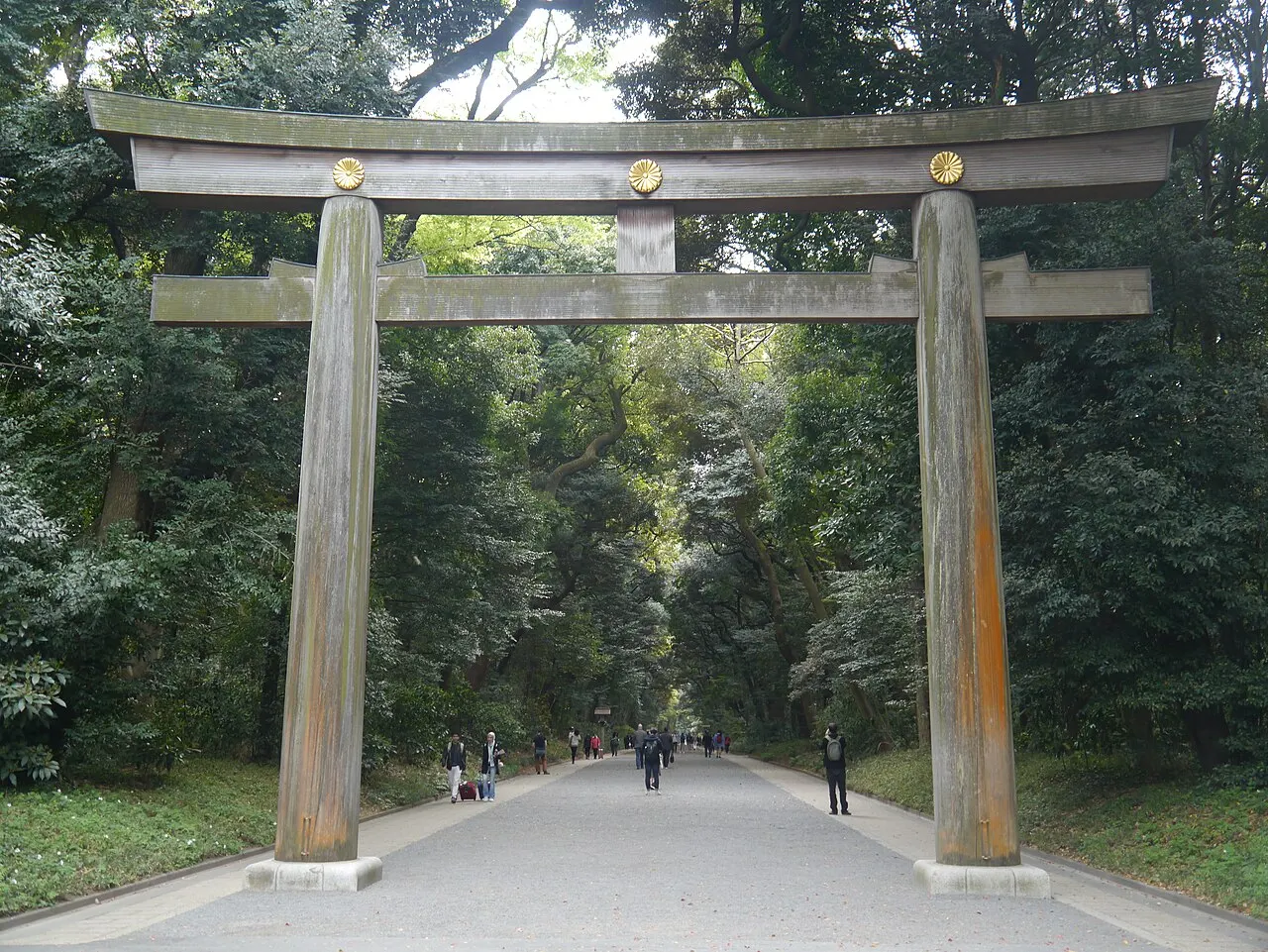 Torii gate鳥居
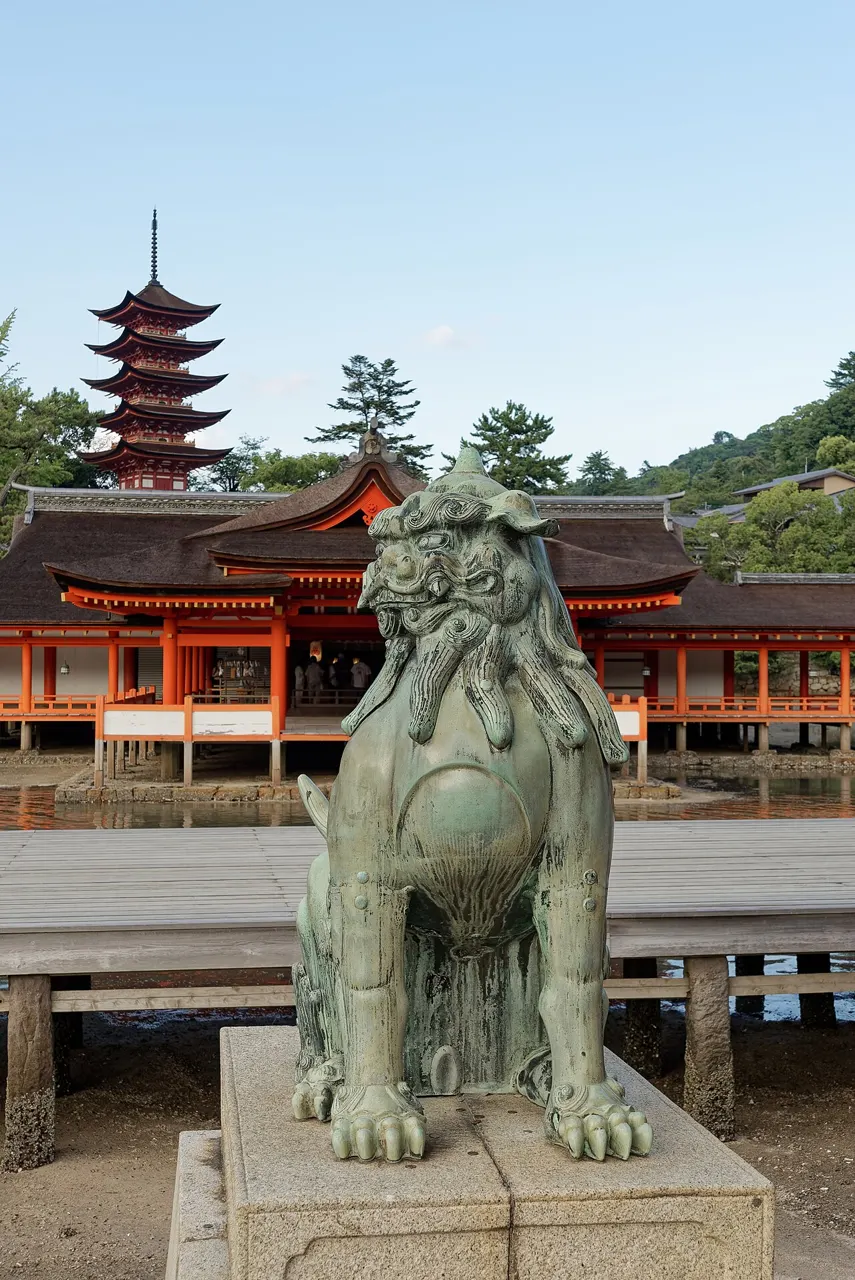 Komainu狛犬
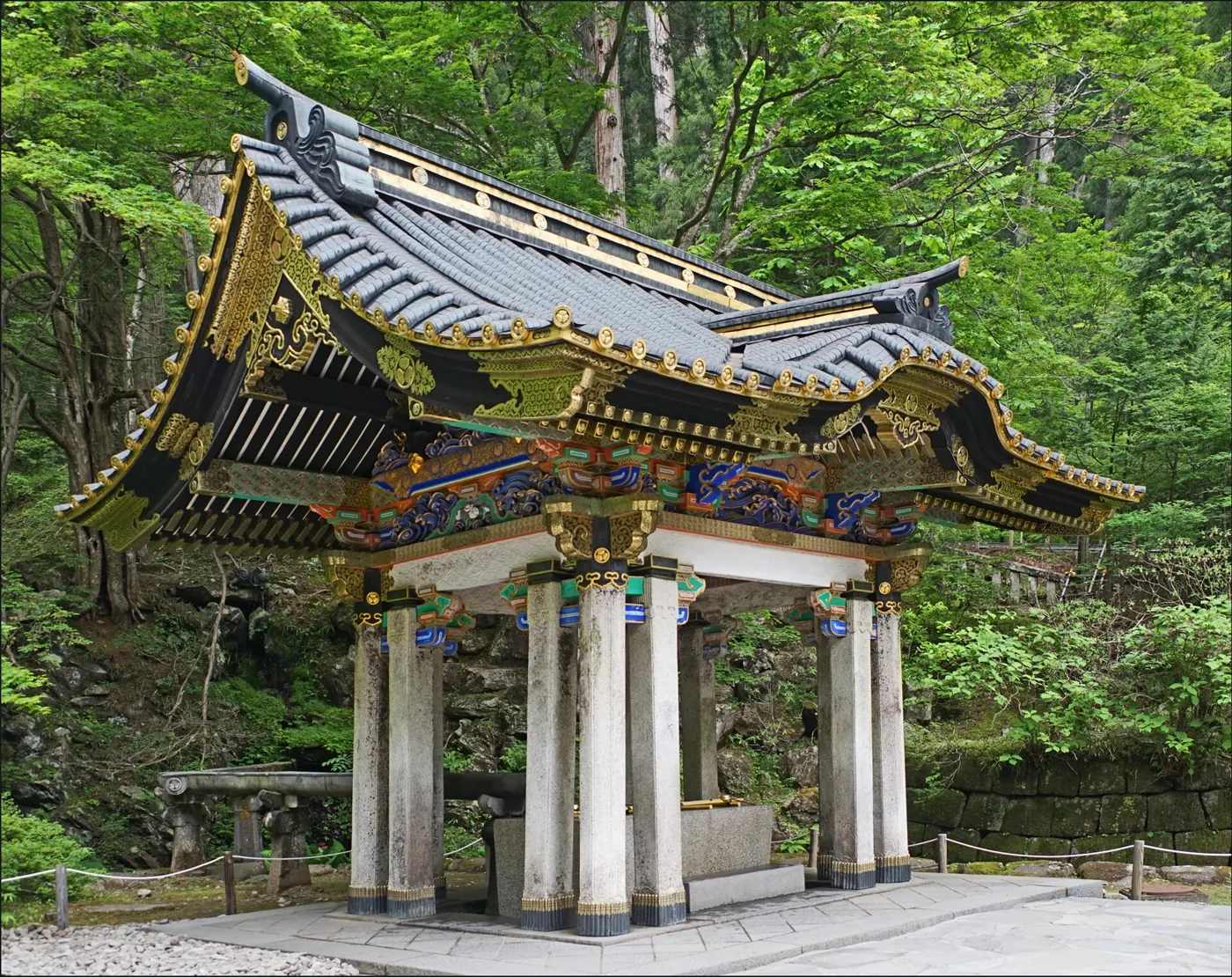 Temizuya手水舎
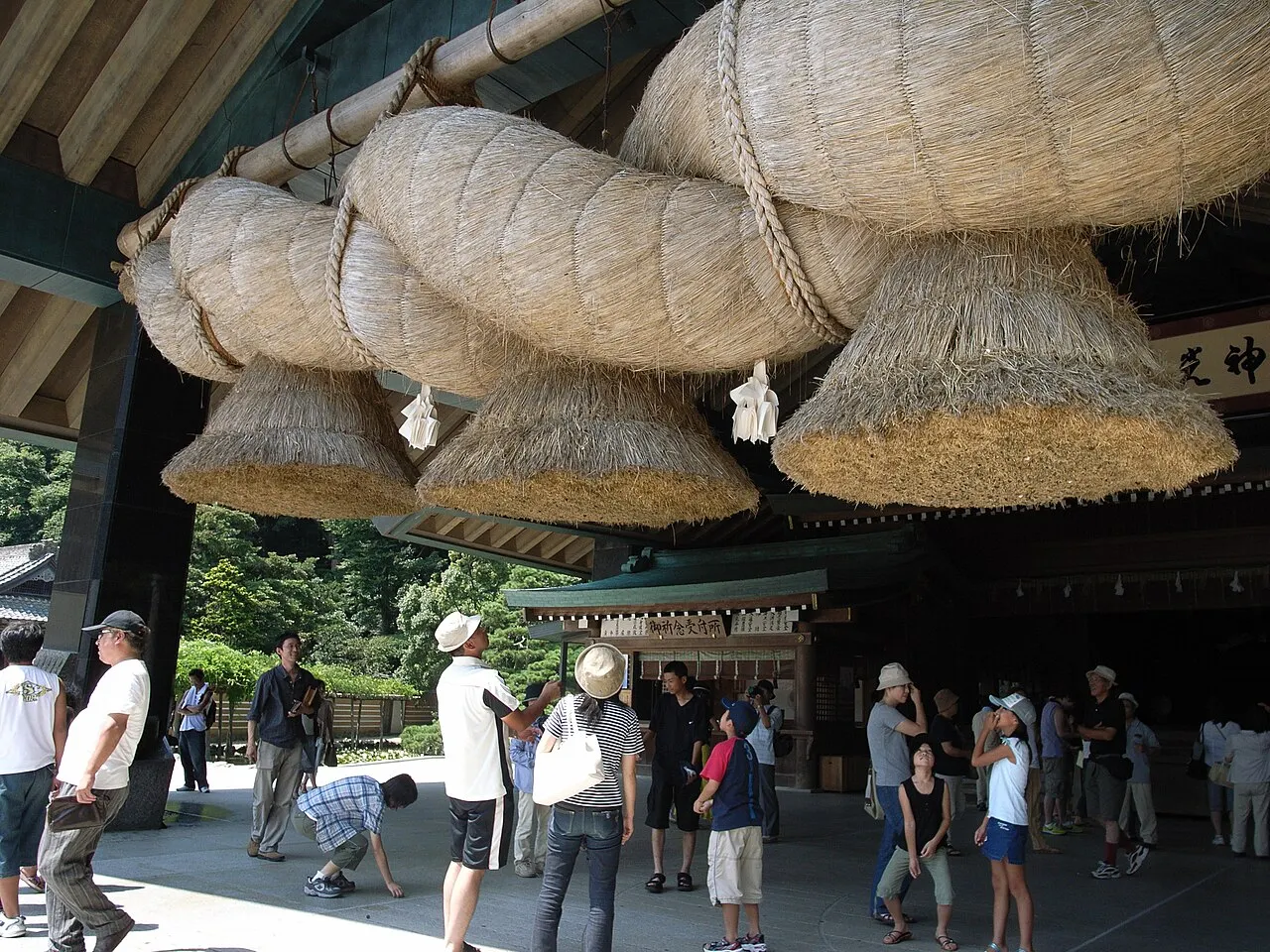 Shimenawa注連縄
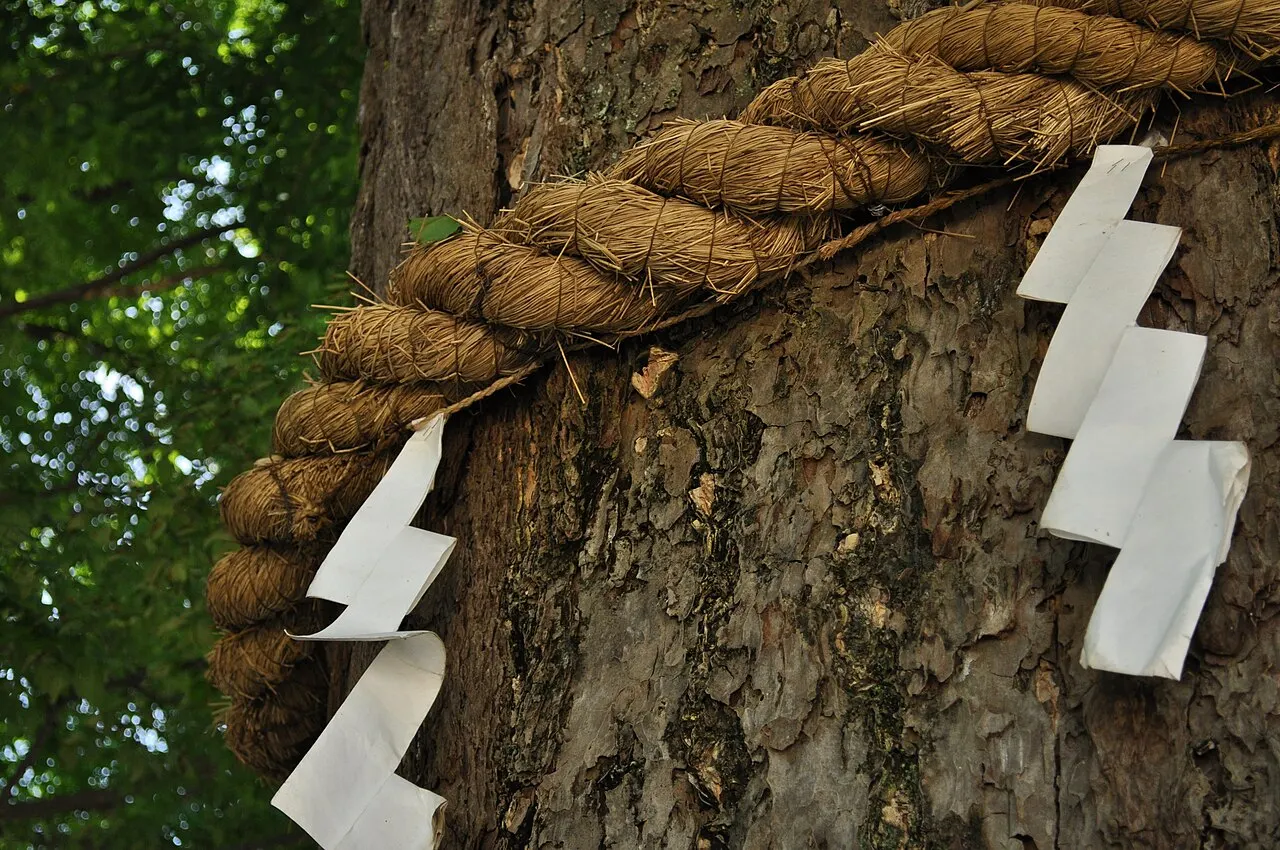 Sacred tree御神木
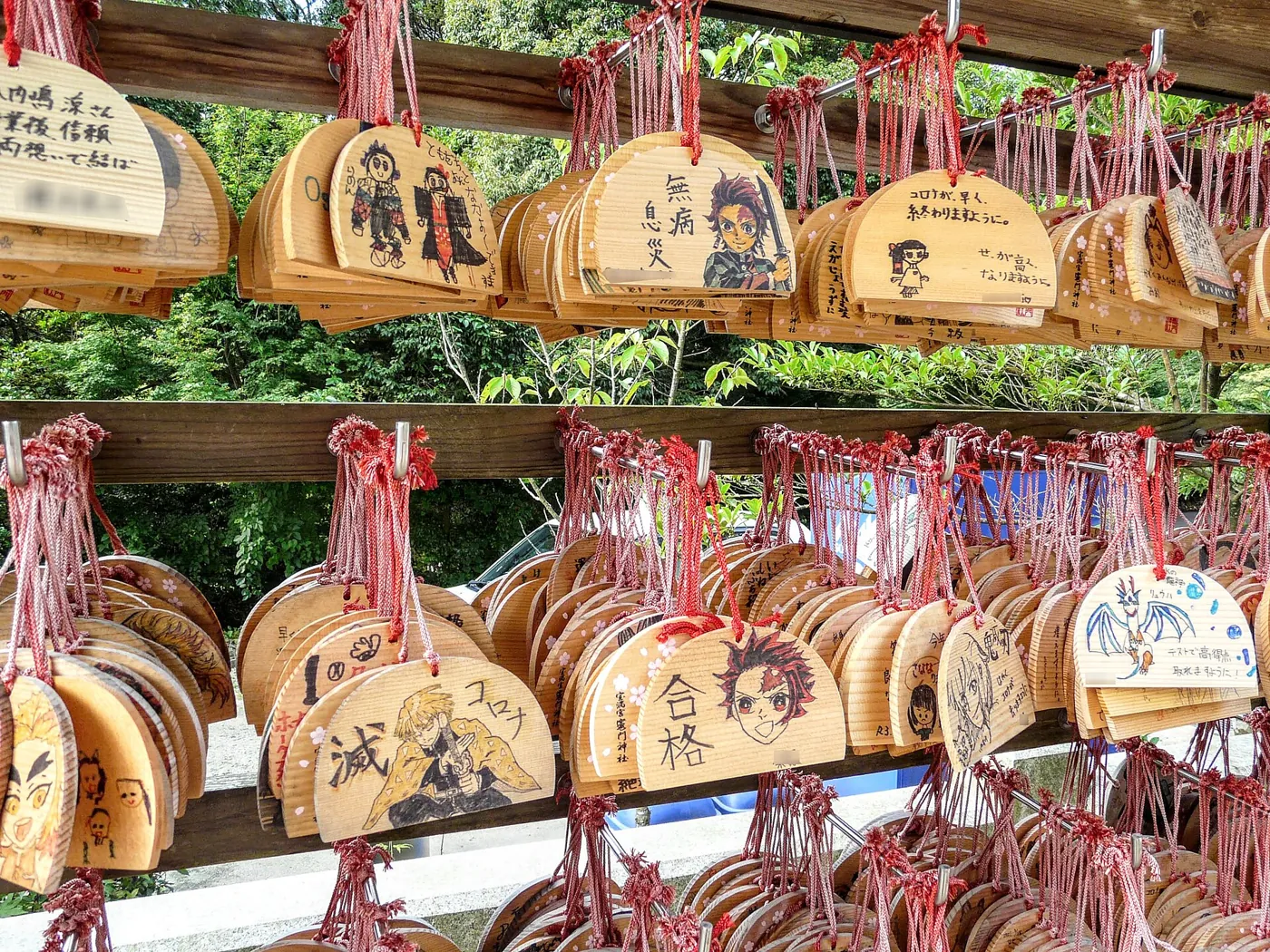 Ema絵馬
旅Planning a trip to Meiji Jingū?
Hotels in Tokyo
Ad: we may earn a commission if you book through these links, at no extra cost to you.
問Questions visitors ask
What is Meiji Jingū?
Meiji Shrine (明治神宮, Meiji Jingū) is a Shinto shrine in Shibuya, Tokyo, that is dedicated to the deified spirits of Emperor Meiji and his wife, Empress Shōken.
Where is Meiji Jingū?
Meiji Jingū is in Yoyogi-Kamizonochō, Tokyo. The nearest station is Sangūbashi Station (about 574 m in a straight line).
When was Meiji Jingū founded?
1920, according to Wikidata.
What are the opening hours of Meiji Jingū?
Hours and fees change by season and for events. Please check the official website before you go: https://www.meijijingu.or.jp/
近Also in Tokyo
Open the scanner and compare →