Fuji Omuro Sengen-Jinja Shrine 富士御室浅間神社全体概要
Official explanation
Fuji Omuro Sengen-Jinja Shrine
Fuji Omuro Sengen-jinja is the oldest shrine on the slopes of Mt. Fuji. It was founded in the year 699 near the second station of the Yoshida Trail (elevation 1,700 meters). In 958, an additional complex was constructed some 15 kilometers away, on the southern shore of Lake Kawaguchiko, for the convenience of local worshippers. The two sites became known as the “original shrine” and “village shrine” (motomiya and satomiya), respectively.
Read the full explanation
Ascetics continued to visit the original shrine, joined from the seventeenth century by streams of Fujiko pilgrims. However, after the Fuji-Subaru Line began a direct service to the fifth station in 1964, visitor numbers fell dramatically. To protect the now seldom-visited original shrine from damage and fire, it was moved to a location near the village shrine in 1973. Only the crumbling prayer hall (haiden) still remains on the slopes.
An Architectural Marvel
The shrine is closely associated with local daimyo. In the sixteenth century, Takeda Shingen, the lord of nearby Kai province, worshipped there. The main hall of the village shrine that still stands today was donated by a Tokugawa branch family in 1612, shortly after the start of the Edo period (1603–1868). It preserves the Shinto architecture of the Azuchi-Momoyama period (1568–1600), with flowing karahafu gables and roof shingles made of cypress bark.
Unusually for a Sengen shrine, the structure is oriented so that worshippers have their backs to the mountain’s peak. This is because the mountain is believed to descend each day to take up residence inside the shrine.
The statues flanking the torii are much smaller than those at other shrines. According to legend, Mt. Fuji shrank them as punishment for dallying with Benzaiten, the goddess enshrined on Unoshima island.
Yabusame: Mounted Archery
On April 29, the shrine hosts an exhibition of mounted archery known as yabusame. Today’s yabusame traditions date back to the first Kamakura shogun, Minamoto no Yoritomo (1147–1199), who promoted it as a pastime among his samurai. The shrine’s yabusame exhibition used to take place at the mountain location called the baba (riding ground), but is now held in a park near the shrine.
出典: 地域観光資源の多言語解説文データベース(観光庁) — www.mlit.go.jp/tagengo-db. この英語解説文は観光庁の地域観光資源の多言語解説整備支援事業で作成しました。
Source: Japan Tourism Agency, Multilingual Explanation Database. This English text was produced by the Japan Tourism Agency's multilingual explanation project and is shown unedited. Opening hours and services may have changed since it was written.
旅Mt Fuji & Hakone tours
Live prices and reviews from GetYourGuide. Many tours can be cancelled for free — check each listing.
See all Mt Fuji & Hakone tours →
Ad: we may earn a commission if you book through these links, at no extra cost to you.
Things you may see here
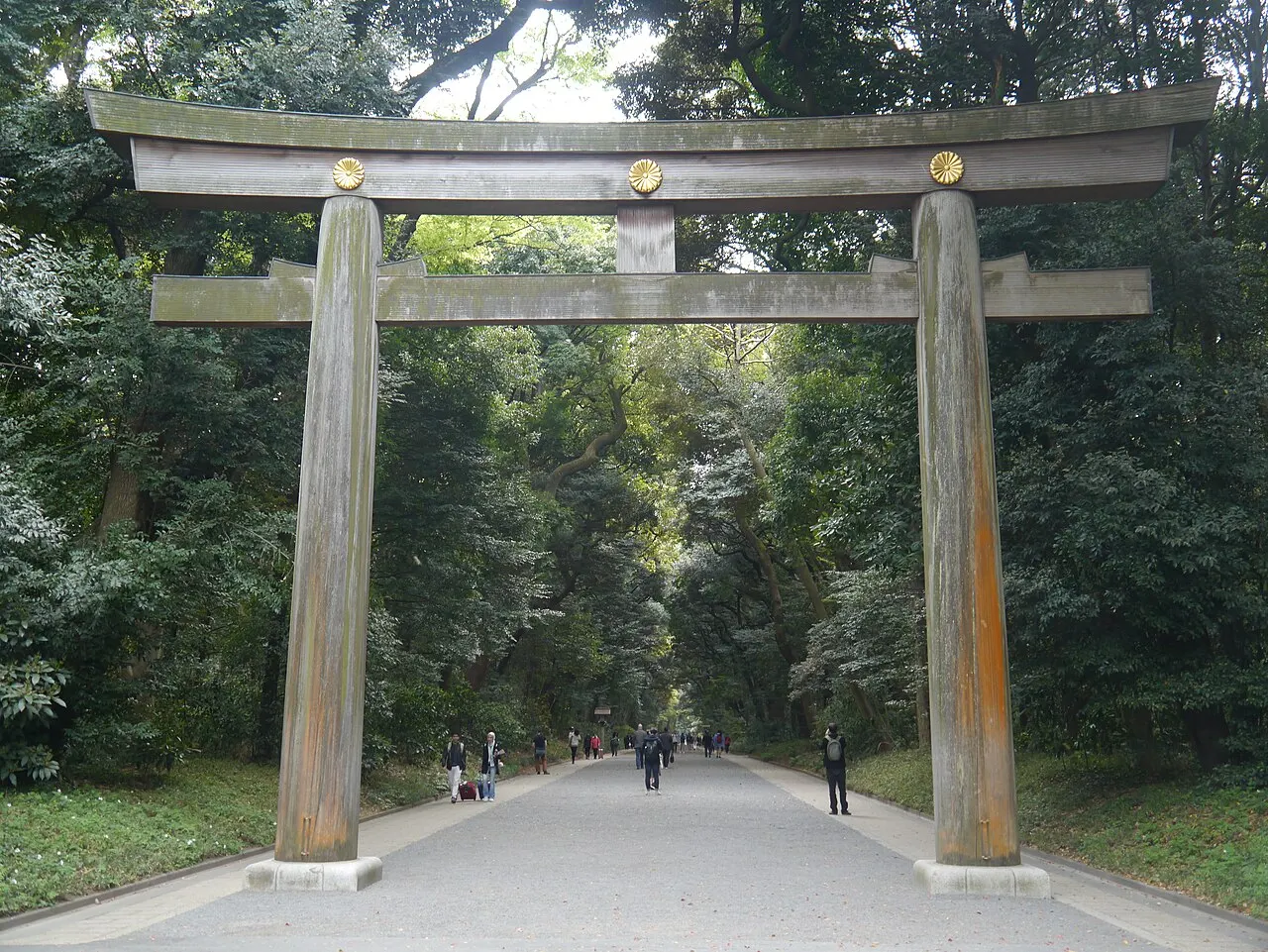 Torii gate鳥居
Getting there
Stay by Lake Kawaguchi or in Hakone
Ad: we may earn a commission if you book through these links, at no extra cost to you.
More shrines in Yamanashi
Open the scanner and compare →