Niomon Gate 仁王門
Official explanation
Visitors passing through the Niomon Gate endure the unflinching glare of fearsome Nio guardians positioned on either side. Naraen is on the right, mouth open as if to utter a, and Misshaku is on the left, lips pursed as if pronouncing un. These two syllables are the Japanese pronunciation of the first and last letters of the Sanskrit alphabet, and together symbolize birth and death of all things, among other things. Statues of Enma, the King of Hell, and nine judges stand inside the gate, as if to judge all who pass through.
The Niomon Gate is the halfway point to the top of the Yamadera temple complex. It was rebuilt in 1848 using zelkova wood and is one of the temple’s newer structures. The Nio statues are thought to be the work of the disciples of Unkei (1150–1223), one of the most distinguished sculptors of Buddhist statuary of his time.
出典: 地域観光資源の多言語解説文データベース(観光庁) — www.mlit.go.jp/tagengo-db. この英語解説文は観光庁の地域観光資源の多言語解説整備支援事業で作成しました。
Source: Japan Tourism Agency, Multilingual Explanation Database. This English text was produced by the Japan Tourism Agency's multilingual explanation project and is shown unedited. Opening hours and services may have changed since it was written.
旅Tōhoku tours
Live prices and reviews from GetYourGuide. Many tours can be cancelled for free — check each listing.
Ad: we may earn a commission if you book through these links, at no extra cost to you.
Things you may see here
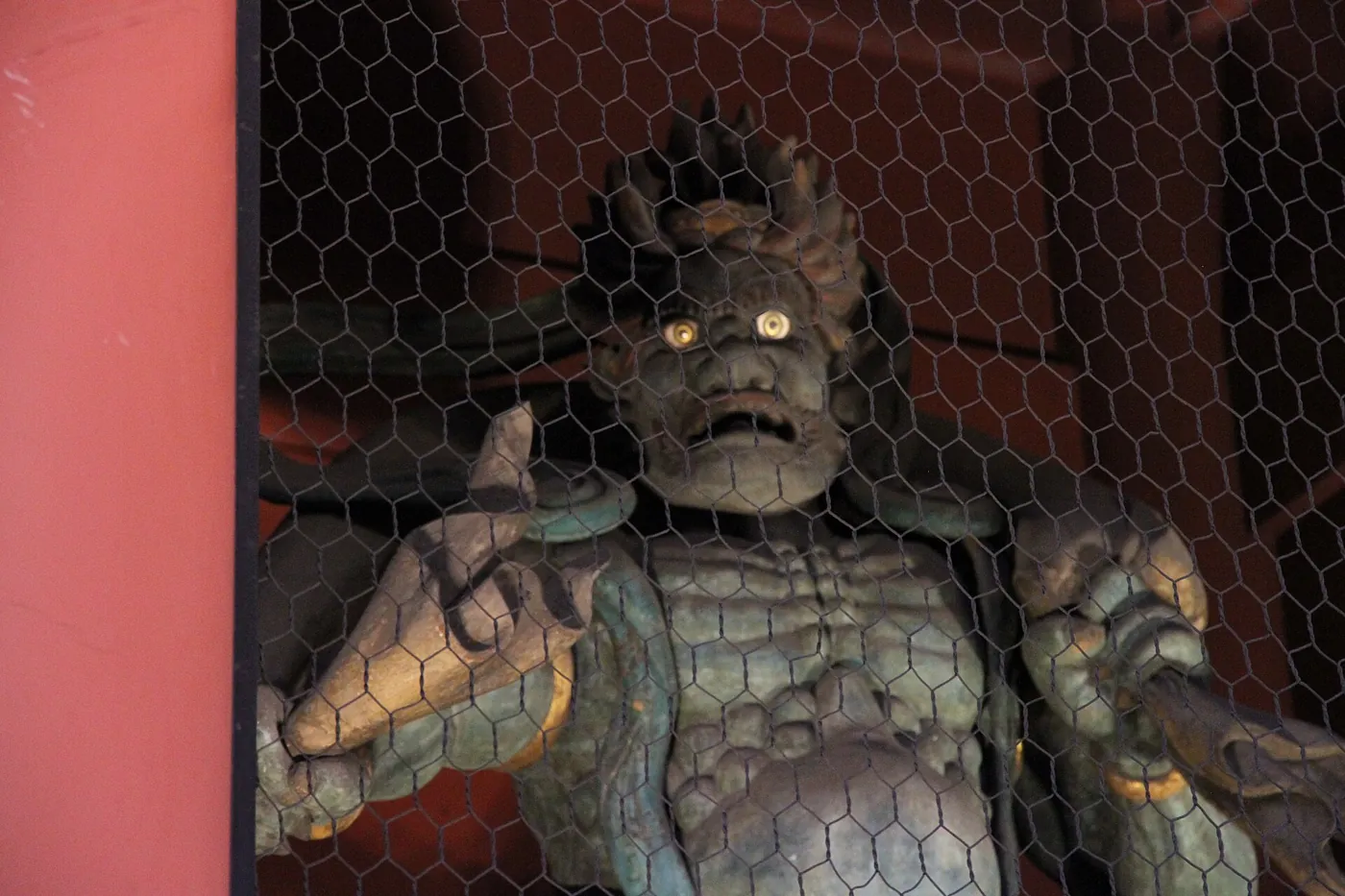 Niō仁王
Getting there
Hotels in Yamagata
Ad: we may earn a commission if you book through these links, at no extra cost to you.
More sites in Yamagata
撮Standing in front of one?Open the scanner and compare →