Oki Jinja Shrine and the Grave of Emperor Go-Toba 隠岐神社と後鳥羽天皇の墓
Official explanation
Oki Jinja Shrine was built in 1939, but it enshrines a figure with many centuries of history: the retired emperor Go-Toba (1180–1239), renowned as a poet and patron of the arts. In 1201, three years after abdicating the throne, Go-Toba commissioned and edited the Shin-kokin waka-shū, one of Japan’s three most revered poetry anthologies. He also held a deep interest in bladesmithing, and his patronage as emperor was responsible for important advances in Japanese sword-making. In 1221, after a failed power struggle with the Kamakura shogunate, the emperor was banished to Nakanoshima.
Beginning in the early Heian period (794–1185), the Oki Islands served as a customary place of exile for nobles who ran afoul of the imperial court. The islands’ temperate climate and plentiful resources meant that exiled nobles could still live a comfortable life far from the courts. Ensuring their comfort became an important consideration after Sugawara no Michizane (845–903), a poet and politician, died during a miserable exile in Kyushu. Following Michizane’s death, a series of natural disasters plagued the capital, and these calamities were attributed to the exiled scholar’s vengeful spirit. In addition to drought and famine, the imperial palace in Kyoto was repeatedly struck by lightning, and several crown princes died unexpectedly.
Read the full explanation
Go-Toba spent the last 18 years of his life in a modest residence just north of the shrine, accessible to visitors along a short path from the main shrine complex. The path curves to the west and continues to Go-Toba’s gravesite. After the retired emperor’s death, his cremated remains were divided: half were carried back to Kyoto for an imperial burial, while the remainder was entombed on Nakanoshima, surrounded by several gates and a stone wall. The torii gate was added when Oki Jinja Shrine was built, but the rest of the stonework is unchanged. The Murakami family, who acted as Go-Toba’s guardians and caretakers during his exile, were stoneworkers by trade and have maintained the tomb structures for 45 generations.
Oki Shrine itself was founded on the 700th anniversary of Go-Toba’s death. The shrine crest, known as the kikufusen, is based upon Go-Toba’s own five-chrysanthemum crest. Because of his poetic legacy, the shrine grounds have many placards and monuments inscribed with tanka, a genre of traditional Japanese poetry written in 31 syllables. Distinguished poets such as Katō Shūson (1905–1993) and Reizei Kimiko (b. 1947) have visited to pay their respects, and the shrine has hosted several poetry competitions.
To the left of the main sanctuary is a storehouse displaying two mikoshi, portable shrines that are used during festivals. The one on the left dates to the shrine’s founding, and the one on the right was built during the Edo period (1603–1867). The other items contained inside are used during the festival parade, held every five years on April 14 and October 14.
Across the road to the northwest of the shrine lies the Emperor Go-Toba Museum, which preserves artifacts from Go-Toba’s years on the island. Exhibits include a bronze tea set that was used only once—at the retired emperor’s welcoming celebration. A compilation of poetry that Go-Toba composed while on the island is also housed in the museum, along with records of the scores and critiques he awarded at poetry competitions. Go-Toba’s will is also displayed, as are many Japanese swords dating from the Edo period onward. These are donations from various swordsmiths in recognition of Go-Toba’s contributions to their craft.
出典: 地域観光資源の多言語解説文データベース(観光庁) — www.mlit.go.jp/tagengo-db. この英語解説文は観光庁の地域観光資源の多言語解説整備支援事業で作成しました。
Source: Japan Tourism Agency, Multilingual Explanation Database. This English text was produced by the Japan Tourism Agency's multilingual explanation project and is shown unedited. Opening hours and services may have changed since it was written.
貸Private tours in Izumo & Matsue
Your own guide and often your own car — the route, pace and pickup are set around you. Prices are usually per group, so they work out well for 2–6 people.
See all Izumo & Matsue tours →
Ad: we may earn a commission if you book through these links, at no extra cost to you.
Things you may see here
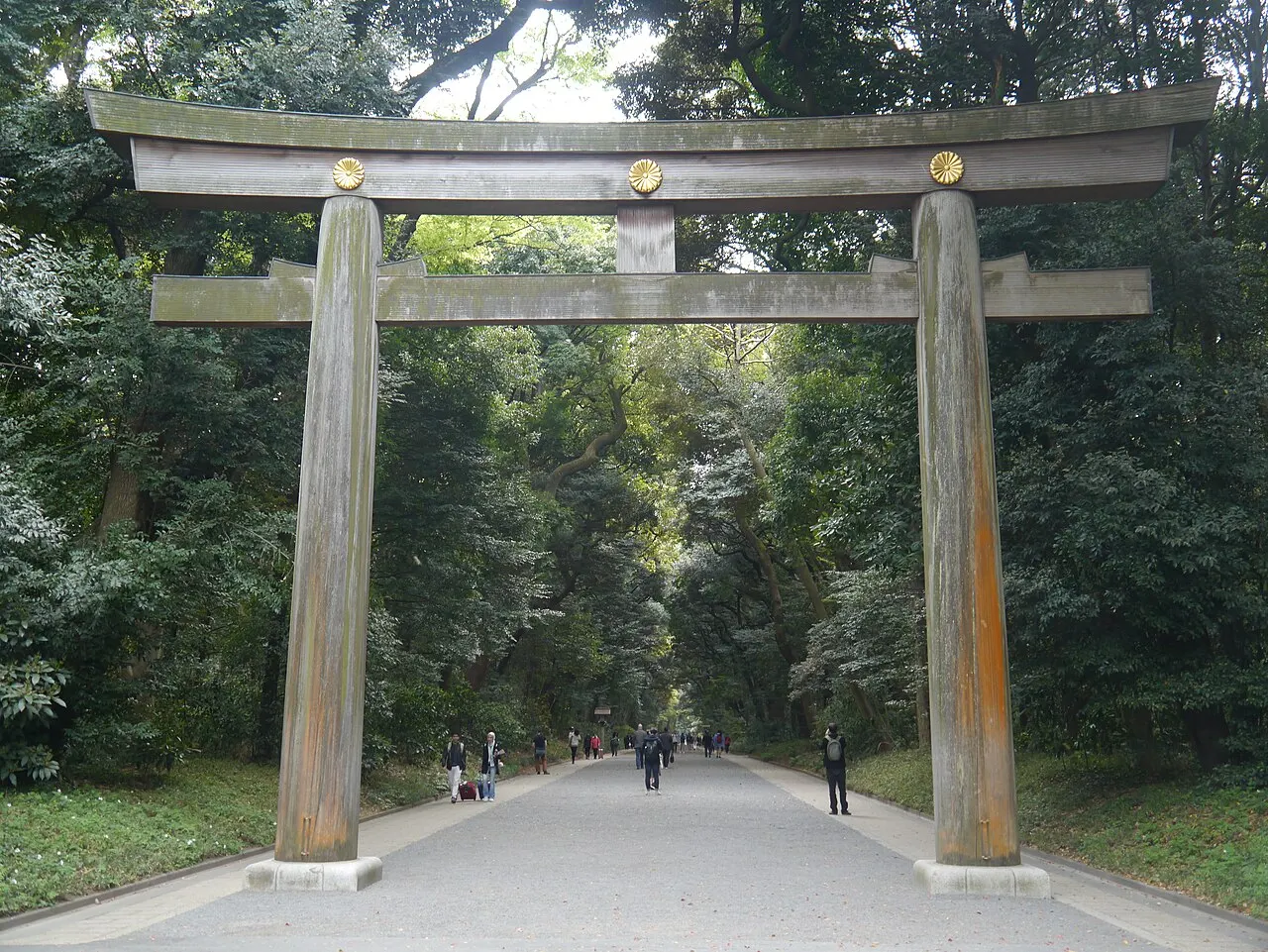 Torii gate鳥居
Getting there
Hotels in Tottori
Ad: we may earn a commission if you book through these links, at no extra cost to you.
More shrines in Tottori
撮Standing in front of one?Open the scanner and compare →