Tachiki Kannon Temple 立木観音立木山安養寺
Official explanation
Tachiki Kannon Temple is one of the most famous temples in Otsu. The secluded grounds are perched high up on a mountain beside the Seta River, outside the bustle of the city center but easily accessible by bus. From the foot of the mountain, the most direct path up is a winding, irregular staircase with more than 800 steps lined with statues and stone lanterns. The climb takes approximately 30 minutes. There is also a gentler, less direct path to the temple, which takes roughly 90 minutes to complete. The mountain is covered with cedar trees, and along the ascent the sounds of traffic and the rushing river below are replaced with birdsong.
Tachiki Kannon was founded by Kukai (774–835; known posthumously as Kobo Daishi), the famous priest who established the Shingon school of Buddhism. According to legend, a white deer appeared in front of Kukai, and he mounted it to jump across the Seta River and reach a sacred shining tree that he saw on the opposite bank. He rode the deer to the top of the mountain, where it transformed into Kannon, the bodhisattva of compassion.
Read the full explanation
The temple is dedicated to Kannon, and the main hall (hondo) enshrines a 1.6-meter wooden statue of the bodhisattva that was reputedly carved by Kukai. The statue is said to have been carved from the trunk of a sacred tree on the mountainside, and to be the same height as Kukai himself.
There are two places to pray to Kannon: at the front of the main hall, and in a smaller area behind the building, closer to where the figure of the deity is kept. Although the sacred sculpture is not on public display, another statue at the temple entrance depicts Kukai riding the magical deer.
Behind the main hall on a higher plateau are the temple bell and the Okunoin, the guardian shrine of Tachiki Kannon. Like at the main hall, visitors can pray at the front or back of the Okunoin.
出典: 地域観光資源の多言語解説文データベース(観光庁) — www.mlit.go.jp/tagengo-db. この英語解説文は観光庁の地域観光資源の多言語解説整備支援事業で作成しました。
Source: Japan Tourism Agency, Multilingual Explanation Database. This English text was produced by the Japan Tourism Agency's multilingual explanation project and is shown unedited. Opening hours and services may have changed since it was written.
旅Kyoto tours
Live prices and reviews from GetYourGuide. Many tours can be cancelled for free — check each listing.
Ad: we may earn a commission if you book through these links, at no extra cost to you.
Things you may see here
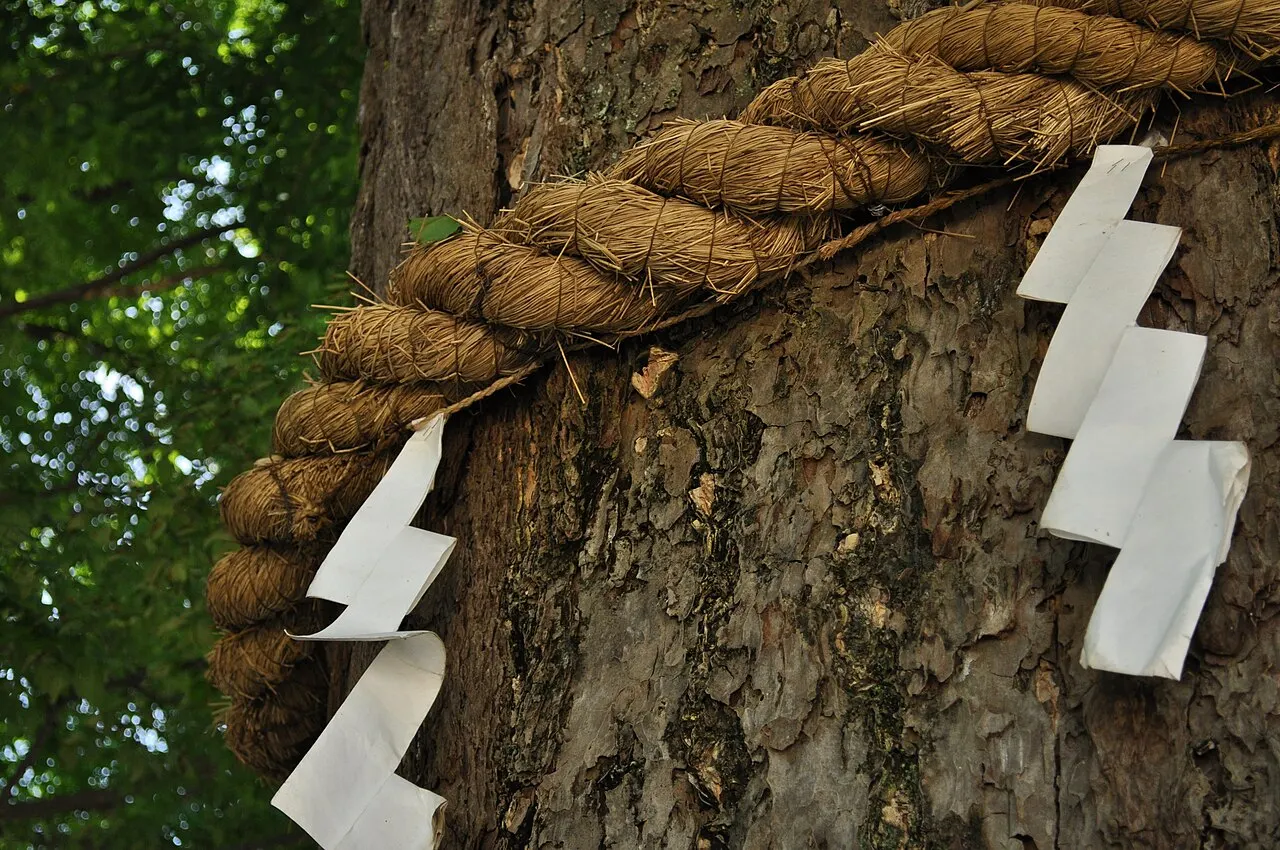 Sacred tree御神木
Getting there
Hotels in Shiga
Ad: we may earn a commission if you book through these links, at no extra cost to you.
More temples in Shiga
Open the scanner and compare →