Hiyoshi Taisha Shrine 日吉大社
Official explanation
Hiyoshi Taisha Shrine claims a 2,000-year history. It is mentioned in the Kojiki, the eighth-century chronicle of myths and legends that is considered to be the first written record of Japanese history. Hiyoshi Taisha stands at the foot of Mt. Hiei and enshrines Sanno, the Shinto deity of the mountain. It is the head shrine of the more than 3,800 Hiyoshi, Hie, and Sanno shrines across Japan. Over time, other deities have been included and the vast grounds once featured shrines to 108 different deities. Hiyoshi Taisha is also the guardian shrine of the nearby Enryakuji Temple complex.
The grounds of Hiyoshi Taisha are lush and secluded. The Omiya River flows through the precincts in streams and small waterfalls, drowning out the sounds of the outside world. In autumn, the area is blanketed with vibrant red leaves that fall from the more than 3,000 maple trees on the grounds.
Read the full explanation
At the entrance is the Omiya Bridge, thought to be the oldest stone bridge in Japan. It is designated an Important Cultural Property, along with the two smaller bridges beside it. The original wooden bridge was destroyed when the warlord Oda Nobunaga (1534–1582) burned down both Hiyoshi Taisha and Enryakuji in 1571 in a bid to crush politically influential institutions that had resisted his rule. The bridge was rebuilt in stone in the late 1600s.
The shrine is also famous for its distinctive Sanno Torii gate that has a triangular shape on top to represent Mt. Hiei. The mountain is home to many wild monkeys, which are considered messengers of the deity. The monkeys are believed to have the power to ward off evil, and monkey motifs are visible on many buildings.
There are two major shrine compounds on the grounds: the Nishihongu (western main shrine) and the Higashihongu (eastern main shrine). The main halls (honden) of both are designated National Treasures. Their traditional hinoki cypress bark roofs must be replaced every 50 years. In the corridor of each honden are a pair of komainu guardian statues dating back over 400 years. Beside the main hall in the Nishihongu is a storage room for one of the seven mikoshi (portable shrines) used during Hiyoshi Taisha’s annual Sannosai Festival.
Hiyoshi Taisha Shrine enshrines the Shinto deity of Mt. Hiei and is the head shrine of the more than 3,800 Hiyoshi, Hie, and Sanno shrines across Japan. Hiyoshi Taisha claims a 2,000-year history and at its height featured shrines to 108 different deities.
The shrine’s grounds are lush and secluded, and the sound of the Omiya River current, as it flows through the precincts, drowns out the sounds of the outside world. In autumn, the area is blanketed with vibrant foliage that falls from the more than 3,000 maple trees on the grounds.
At the shrine entrance is Omiya Bridge, thought to be the oldest stone bridge in Japan. It was built in the late 1600s after the shrine, including the previous wooden bridge, was burned down. The shrine is also famous for its distinctive Sanno Torii gate with a triangular shape on top that represents Mt. Hiei. The mountain is home to many wild monkeys, which are considered the messengers of the mountain deity.
The main halls of the Nishihongu (western main shrine) and the Higashihongu (eastern main shrine) are designated National Treasures. Their traditional hinoki cypress bark roofs are replaced every 50 years. Twin komainu guardian statues dating back over 400 years stand before both halls.
The Hiyoshi Taisha shrine complex contains forty individual shrines in total—seven major shrines and thirty-three lesser shrines. The first record of religious practice in the area is found in the eighth-century chronicle Kojiki, which notes that the deity Ōyamakui no kami dwelled in a rock near the summit of Mt. Hachiōji, a foothill along the eastern side of Mt. Hiei. Over time, many more deities came to be enshrined in what was once the largest shrine complex in Japan.
Syncretism
For centuries, religious practice on Mt. Hiei was a syncretic fusion of Buddhism and Shinto. Hiyoshi Taisha has a long association with Enryakuji Temple, which was established in 788 and is the head temple of Tendai Buddhism. The shrines of Hiyoshi Taisha gradually became part of the Enryakuji religious complex and remained so until 1868.
Enryakuji was one of the largest and most influential Buddhist institutions in Japan until 1571, when the warlord Oda Nobunaga (1534–1582) had the entire temple complex burned to the ground, including the shrines of Hiyoshi Taisha. Nobunaga’s successor Toyotomi Hideyoshi (1537–1598) supported the rebuilding of the seven major shrines, and all were completed by 1601.
Sannō Ichijitsu Shinto
The buildings of Hiyoshi Taisha were not the only things that had to be reconstructed after the fire. All the shrine records were lost, and only one priest survived who still remembered the traditional rites.
After the fire, the shrine became closely associated with Sannō ichijitsu Shinto practices, which were created by the influential monk Tenkai (1536–1643). Tenkai oversaw the rebuilding of Enryakuji after the temple was destroyed in 1571 and used Sannō ichijitsu as the foundation for the burial and deification rites of Tokugawa Ieyasu (1543–1616), the first shogun of the Edo period (1603–1867). The Tōshōgū Shrine at Hiyoshi Taisha was the prototype for the magnificent Tōshōgū Shrine in Nikkō where Ieyasu is enshrined.
Today, Hiyoshi Taisha is the head of nearly 4,000 shrines throughout Japan.
Hiyoshi Taisha Today
Many features of present-day Hiyoshi Taisha—from its physical placement and hierarchy of major deities to its rites, including the Sannō Festival—were reconfigured beginning in the latter half of the nineteenth century. An 1868 government edict ordered the separation of Shinto and Buddhism, leading to the removal of Buddhist objects from shrines throughout the country. At Hiyoshi Taisha, more than 1,000 items, including statues of Buddhist deities, bells, and sutra scrolls, were destroyed on April 1, 1868.
The policy of Shinto-Buddhist separation also changed the hierarchy of the deities at Hiyoshi Taisha. During the centuries of combined Buddhist and Shinto worship, Shinto deities were believed to be manifestations of Buddhist deities. The Buddhist aspect often determined the placement and hierarchies of deities. After the separation edict was issued, four of the seven primary deities at Hiyoshi Taisha were moved to reflect a new hierarchy of deities independent of their previous Buddhist counterparts. This reorganization of deities also resulted in a reimagining of the Sannō Festival.
出典: 地域観光資源の多言語解説文データベース(観光庁) — www.mlit.go.jp/tagengo-db. この英語解説文は観光庁の地域観光資源の多言語解説整備支援事業で作成しました。
Source: Japan Tourism Agency, Multilingual Explanation Database. This English text was produced by the Japan Tourism Agency's multilingual explanation project and is shown unedited. Opening hours and services may have changed since it was written.
旅Kyoto tours
Live prices and reviews from GetYourGuide. Many tours can be cancelled for free — check each listing.
Ad: we may earn a commission if you book through these links, at no extra cost to you.
Things you may see here
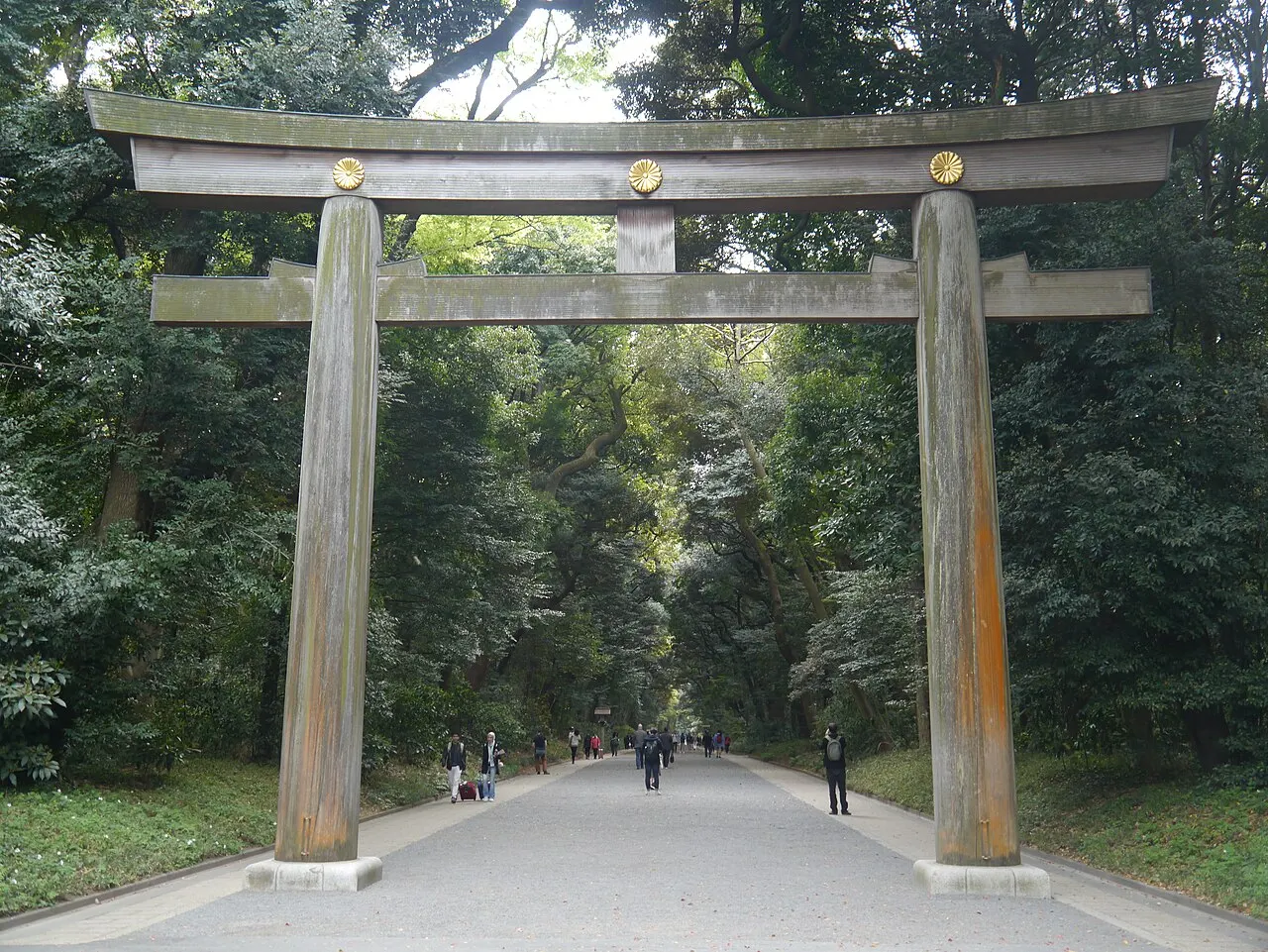 Torii gate鳥居
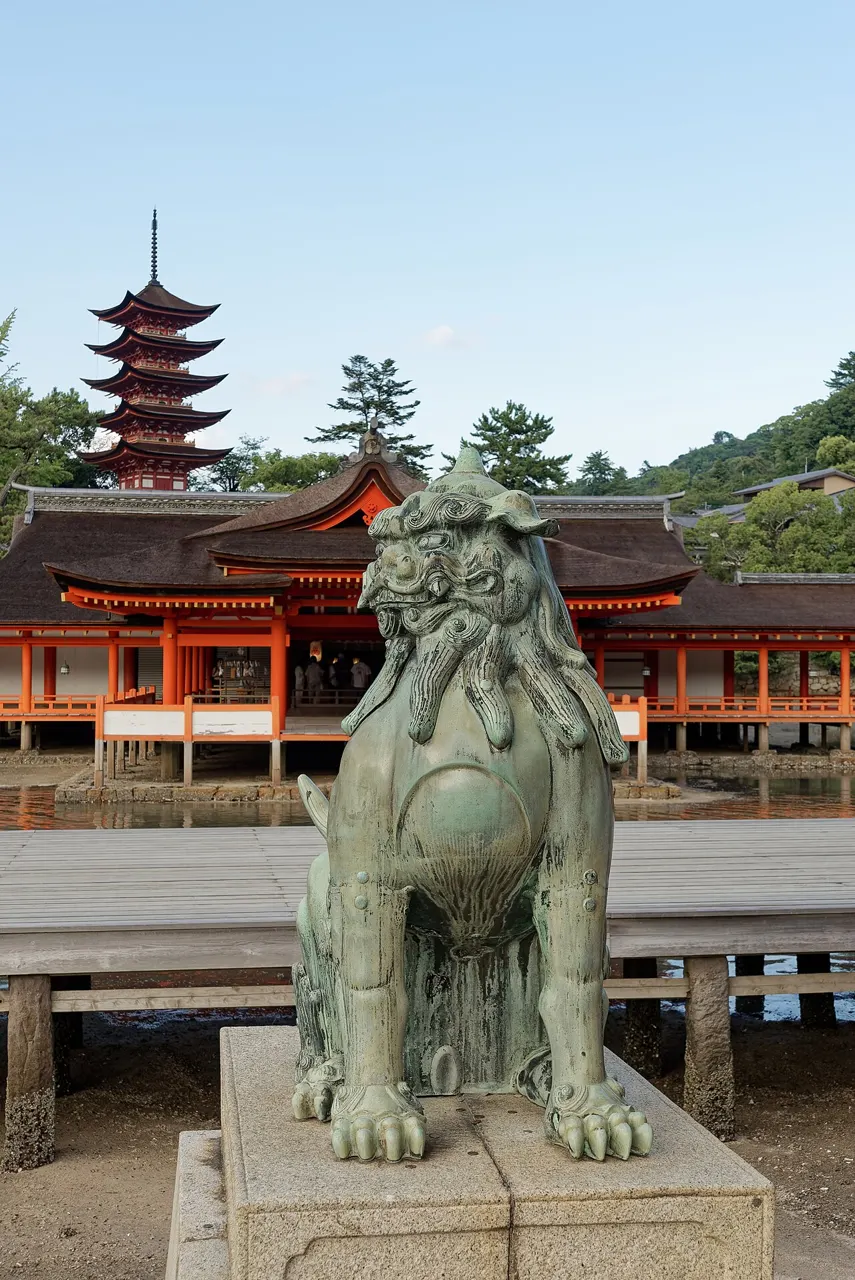 Komainu狛犬
Getting there
Hotels in Shiga
Ad: we may earn a commission if you book through these links, at no extra cost to you.
More shrines in Shiga
Open the scanner and compare →