History of Toyotamahime Shrine 豊玉姫神社の歴史
Official explanation
No records reveal the origins of Toyotamahime Shrine, but the original shrine complex was once located next to the Shiota River before being destroyed by fire during the Sengoku period (1467–1568), an era of civil war and social upheaval.
During the Edo period (1603–1867), the powerful Nabeshima family ruled the domain of what is now Saga Prefecture, and Ureshino came under the jurisdiction of the family’s Hasuike branch. After the shrine was rebuilt in 1615, Nabeshima Naozumi (1616–1669), the first lord of the Hasuike domain, allowed the use of the Nabeshima family crest, which greatly improved the prestige of the shrine. Naozumi is still revered today for the benefits his patronage brought to Ureshino.
Read the full explanation
The shrine moved to its current location in 1882, but some of the structures built during the Edo period, such as the third torii gate from the entrance, survive intact today. Visitors now come to the shrine to pray for healthy and beautiful skin, inspired by the legend of the beautiful deity Toyotamahime. Her messengers are catfish, known for their smooth skin, and the catfish deity nicknamed “Namazu-sama” is also enshrined here.
出典: 地域観光資源の多言語解説文データベース(観光庁) — www.mlit.go.jp/tagengo-db. この英語解説文は観光庁の地域観光資源の多言語解説整備支援事業で作成しました。
Source: Japan Tourism Agency, Multilingual Explanation Database. This English text was produced by the Japan Tourism Agency's multilingual explanation project and is shown unedited. Opening hours and services may have changed since it was written.
旅Kyūshū tours
Live prices and reviews from GetYourGuide. Many tours can be cancelled for free — check each listing.
Ad: we may earn a commission if you book through these links, at no extra cost to you.
Things you may see here
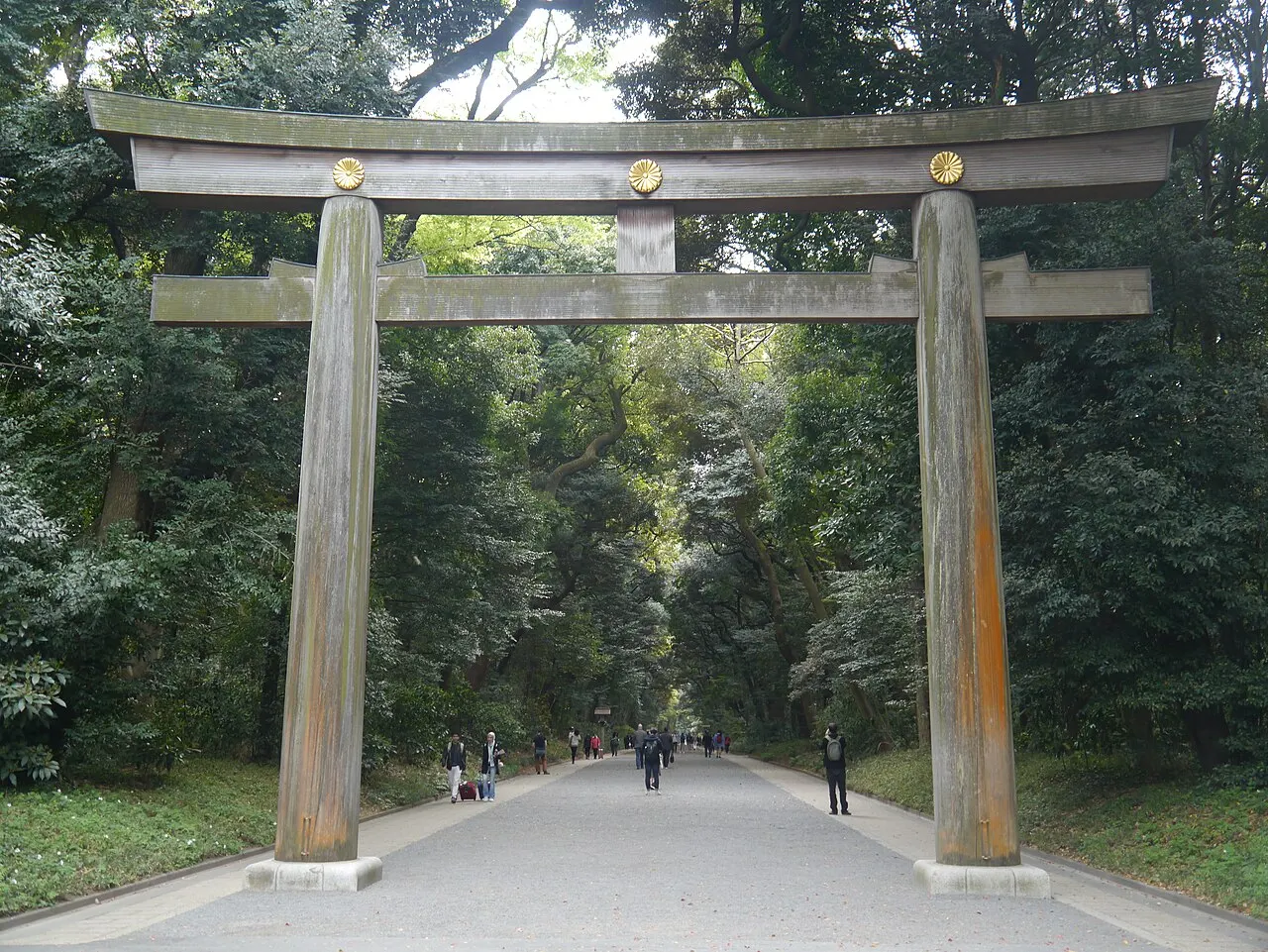 Torii gate鳥居
Getting there
Hotels in Saga
Ad: we may earn a commission if you book through these links, at no extra cost to you.
More shrines in Saga
撮Standing in front of one?Open the scanner and compare →