Tokashiki Shrine 渡嘉敷神社
Official explanation
This little shrine sits in the western part of Tokashiki about 700 meters from the harbor along the main road at the foot of Mt. Kumichiji. In the days when the island depended on agriculture and fishing, people would go to the shrine to pray for abundant harvests, good catches of fish, and health and well-being. Now it is used as a general place of prayer and for local festivals. (Prayers for safety at sea and bountiful fishing are offered at Kaijingu, another shrine.)
The shrine was under the care of a noro, a female priestess of the Ryukyuan religion, until the early years of the Meiji era (1868–1912). After Japan annexed Okinawa in 1879, the noro system was banned to make way for the state religion of Shinto, and the local ward headman now manages the shrine.
Read the full explanation
The shrine is entered through a stone torii gate. On the back of one of the gateposts is the inscription, “January 27, Showa Year 12” (1937), showing that the gate, unlike many of the island’s buildings, survived the American bombardment at the end of World War II. Before passing through the gate, remove your hat, face the shrine, and bow your head once. As you enter, notice the shrine bell on your left, made from a rusty old diving cylinder. On the approach to the shrine, avoid the middle of the path, which is reserved for the gods. To pay your respects to the gods, deposit a small coin in the offertory box, bow twice, clap your hands twice, and bow once again.
The Ryukyuan religion was based on the concept of divine punishment, and its prayers were traditionally said in ancient Japanese. In an effort to be more accessible, contemporary prayers are composed by the local ward headman with everyday themes in easy-to-understand Japanese. They are less focused on retribution. Only the opening and closing phrases use ancient Japanese.
A Year Full of Ceremonies
The shrine hosts numerous ceremonies held throughout the year. The majority of these follow the old calendar called the kyureki, which follows the phases of the moon.
Fifth Month, 15th Day (Lunar Calendar)
Umachi: People pray for a rich harvest and make an offering of the first ears of rice.
Sixth Month, 15th Day (Lunar Calendar)
Umachi: People give thanks for the harvest.
Sixth Month, 25th Day (Lunar Calendar)
Great Tokashiki Tug-of-War: The tug-of-war is a great Okinawan tradition. The rope is made from rice straw; in the days when everyone grew rice, the villagers would donate straw from their rice crops. The decorative tops of the flagpoles for the flags used to cheer on the village’s two tug-of-war teams are stored in the shrine.
DESIGNER: LINK TO NO. 2/Tokashiki Tug of War
Tenth Month (Lunar Calendar)
Tanetorisai Festival: This was once the most important festival of the year. Seeds from the previous year’s rice harvest were separated into good and bad seeds. The good ones were distributed to the farmers for the next season’s planting. The festival still continues, even though seed distribution is now in the hands of the local agricultural association.
December (Modern Calendar)
Shiugan: People thank the gods for their protection over the previous year.
January First (Modern Calendar)
Hatsumode: The first shrine visit of the New Year. The bell is rung and people come to pray for luck over the coming year.
January
Hachiugan: People say the first prayers of the year.
出典: 地域観光資源の多言語解説文データベース(観光庁) — www.mlit.go.jp/tagengo-db. この英語解説文は観光庁の地域観光資源の多言語解説整備支援事業で作成しました。
Source: Japan Tourism Agency, Multilingual Explanation Database. This English text was produced by the Japan Tourism Agency's multilingual explanation project and is shown unedited. Opening hours and services may have changed since it was written.
旅Okinawa tours
Live prices and reviews from GetYourGuide. Many tours can be cancelled for free — check each listing.
Ad: we may earn a commission if you book through these links, at no extra cost to you.
Things you may see here
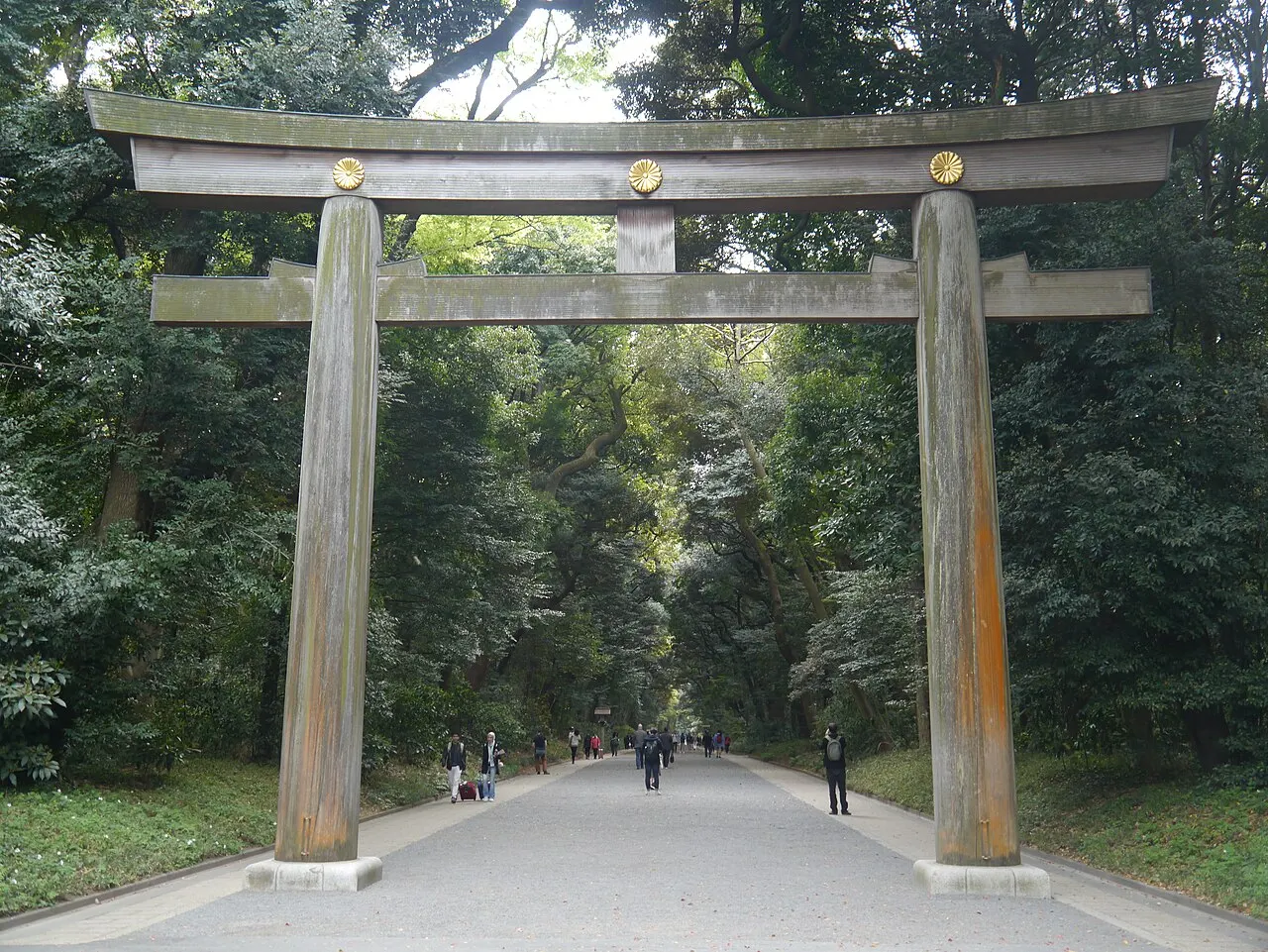 Torii gate鳥居
Getting there
Hotels in Okinawa
Ad: we may earn a commission if you book through these links, at no extra cost to you.
Open the scanner and compare →