Stone Nio Statues 石造仁王
Official explanation
Bungotakada is home to approximately 140 stone statues known as nio or kongorikishi and is among the cities with the highest number of such statues in Japan. These statues are characterized by their muscular bodies and fierce facial expressions and are usually found at the gates of Buddhist temples, where they ward off evil spirits and demons. They are usually found in pairs––one with its mouth open (agyo), and the other with it closed (ungyo).
Geological elements of the Kunisaki Peninsula include andesite and tuff, both indigenous volcanic rocks which were often used by Buddhist sculptors and stonemasons to make nio statues. Most of the nio statues found in Bungotakada date back to the Edo period (1603–1868) and were designed and created with a freestyle approach, such that each one has its own unique character. Visitors can embark upon a nio statue stroll and search for the many guardians in the area, each with its own distinct facial expression.
出典: 地域観光資源の多言語解説文データベース(観光庁) — www.mlit.go.jp/tagengo-db. この英語解説文は観光庁の地域観光資源の多言語解説整備支援事業で作成しました。
Source: Japan Tourism Agency, Multilingual Explanation Database. This English text was produced by the Japan Tourism Agency's multilingual explanation project and is shown unedited. Opening hours and services may have changed since it was written.
旅Kyūshū tours
Live prices and reviews from GetYourGuide. Many tours can be cancelled for free — check each listing.
Ad: we may earn a commission if you book through these links, at no extra cost to you.
Things you may see here
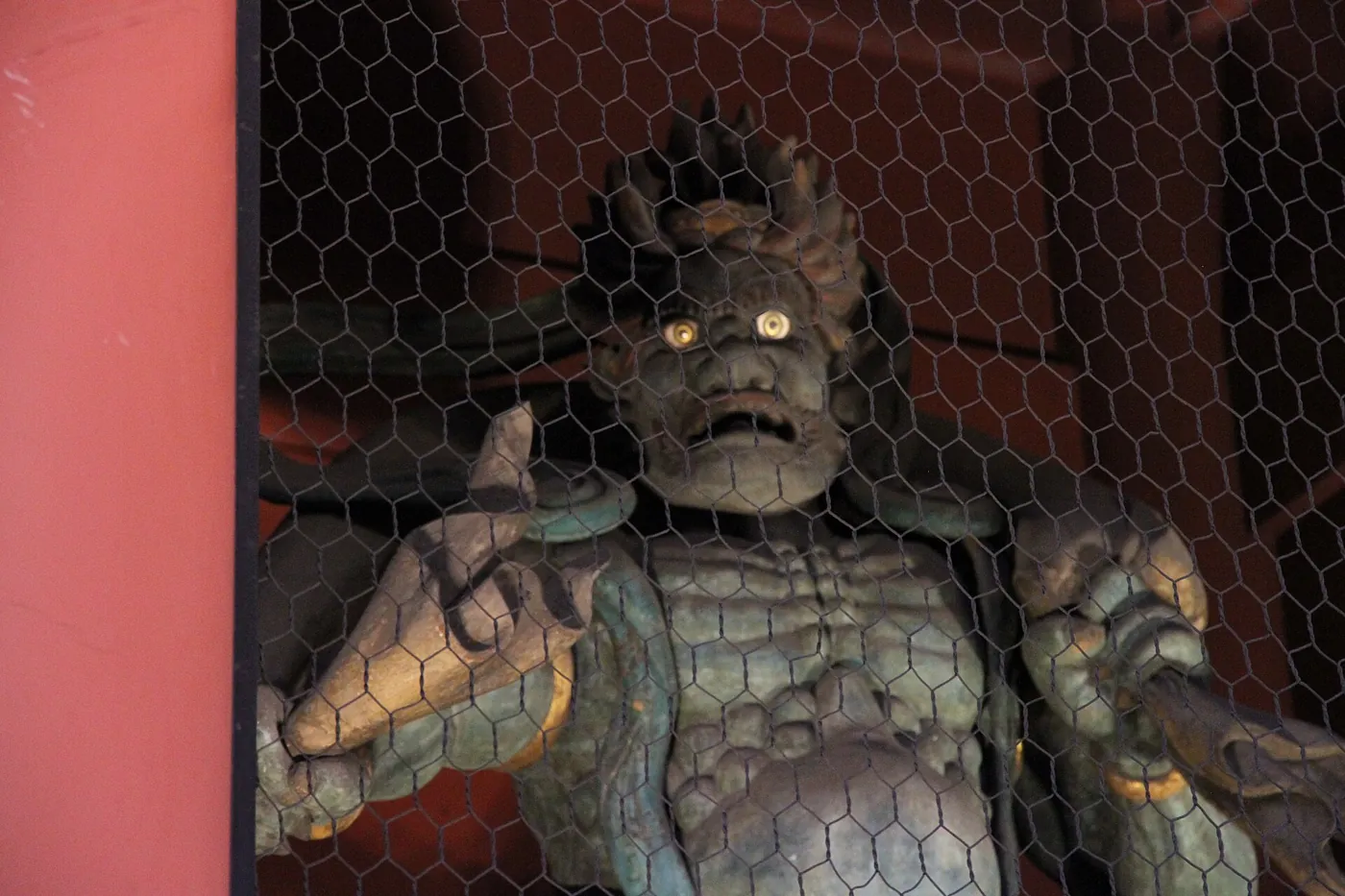 Niō仁王
Getting there
Hotels in Oita
Ad: we may earn a commission if you book through these links, at no extra cost to you.
More sites in Oita
Open the scanner and compare →