Yagisawa Kannondō Temple 本堂
Official explanation
Yagisawa Kannondō is dedicated to Kannon, the bodhisattva of compassion. The hall is recorded as having survived a major fire in 1809, making it the oldest building in Yagisawa hamlet. The temple’s origin is unknown, but it has existed since at least 1755, when it appeared on a map of Mitsumata as the fourteenth temple of the Ueda Thirty-Three Kannon Pilgrimage route. This local pilgrimage is arranged after a similar circuit of Buddhist temples in Kyoto. Completion of the Ueda circuit is considered to be equivalent to completing the pilgrimage in Kyoto, which gives residents of the region a way to pray to Kannon in Kyoto without actually traveling there. Though not as popular as it once was, the Ueda pilgrimage is still in use today.
The principle image of Kannon at Yagisawa Kannondō (at center) holds a lotus bud in its left hand, which is said to purify those who suffer. The right hand forms a gesture, or mudra, that symbolizes fearlessness and protection. Worshippers believe that Kannon is extending a hand of aid to those who are suffering, especially women in childbirth. The statue was so respected that during the Edo period (1603–1868), samurai on horseback often dismounted before the temple in deference and passed by on foot.
Read the full explanation
The porch’s beams bear carvings of dragons and komainu (lion-dogs), evidence of the traditionally syncretic relationship between Shinto and Buddhism. The dragon is a Buddhist talisman against fire and a symbol of wisdom, while komainu are often seen guarding entrances to Shinto shrines. The images on the right have open mouths, and those on the left have closed mouths. Together, these represent the first and last sounds of the Sanskrit alphabet, (a and un) and by association, the beginning and end of the universe, or all that is within existence.
The statue of a seated monk located to the right of the temple is thought to have lost its head during the 1870s, when Shinto was formally recognized as the state religion, and many statues and objects of Buddhist worship were destroyed as part of a movement to remove the foreign influence of Buddhism.
出典: 地域観光資源の多言語解説文データベース(観光庁) — www.mlit.go.jp/tagengo-db. この英語解説文は観光庁の地域観光資源の多言語解説整備支援事業で作成しました。
Source: Japan Tourism Agency, Multilingual Explanation Database. This English text was produced by the Japan Tourism Agency's multilingual explanation project and is shown unedited. Opening hours and services may have changed since it was written.
旅Tōhoku tours
Live prices and reviews from GetYourGuide. Many tours can be cancelled for free — check each listing.
Ad: we may earn a commission if you book through these links, at no extra cost to you.
Things you may see here
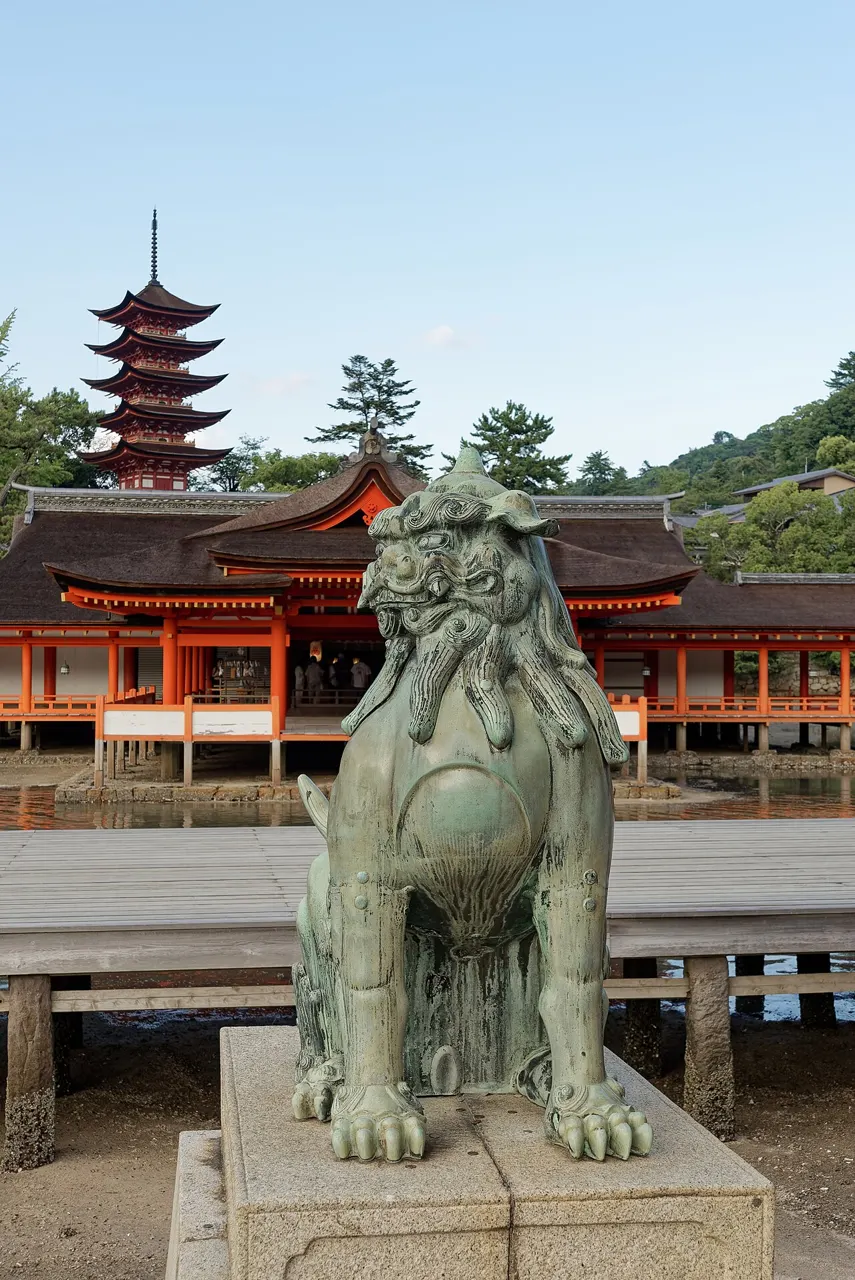 Komainu狛犬
Getting there
Hotels in Niigata
Ad: we may earn a commission if you book through these links, at no extra cost to you.
More temples in Niigata
Open the scanner and compare →