Daianji Temple 大安寺
Official explanation
One of Japan’s oldest Buddhist temples, Daianji Temple has undergone several transformations and name changes since its initial construction. Its origins lie in Kumagori Monastery, which was built by Prince Shotoku (574¬–622), a regent who established a centralized government leading to the early formation of Japan. In 639, Emperor Jomei (593-641), carrying out the late prince’s wishes, constructed the first temple established by Japan’s imperial family. This temple was initially christened Kudara-Otera (Great Temple of Kudara) and later renamed Daikan Daiji (the Great Imperial Temple). In 716, six years after the capital was moved to Heijo-kyo (present-day Nara), the temple was at last given its present name, Daianji. As one of the new capital’s Seven Great Temples (Nanto Shichi Daiji), Daianji’s role was to protect the imperial palace and the nation of Japan, which had just begun to call itself Nihon.
During the Nara period (710¬–794), Daianji was about 25 times larger than it is now, occupying a space of some 240 hectares. It incorporated most of the Sugiyama Kofun, a keyhole-shaped tomb erected in the fifth century. Two grand pagodas, each seven stories tall, stood in the southern part of the temple grounds. Daianji also hosted a monastery of nearly 900 scholarly monks, including travelers from foreign countries such as China and India.
Read the full explanation
After suffering fires and earthquakes over the years, Daianji was virtually abandoned in the sixteenth century. Efforts to revive it began in the late nineteenth century, and today it contains nine precious Buddhist statues from the eighth century, all designated Important Cultural Properties. It is renowned as a place to pray for the prevention and healing of cancer, drawing more than 10,000 attendees to its biannual prayer festival.
出典: 地域観光資源の多言語解説文データベース(観光庁) — www.mlit.go.jp/tagengo-db. この英語解説文は観光庁の地域観光資源の多言語解説整備支援事業で作成しました。
Source: Japan Tourism Agency, Multilingual Explanation Database. This English text was produced by the Japan Tourism Agency's multilingual explanation project and is shown unedited. Opening hours and services may have changed since it was written.
旅Nara tours
Live prices and reviews from GetYourGuide. Many tours can be cancelled for free — check each listing.
Ad: we may earn a commission if you book through these links, at no extra cost to you.
Things you may see here
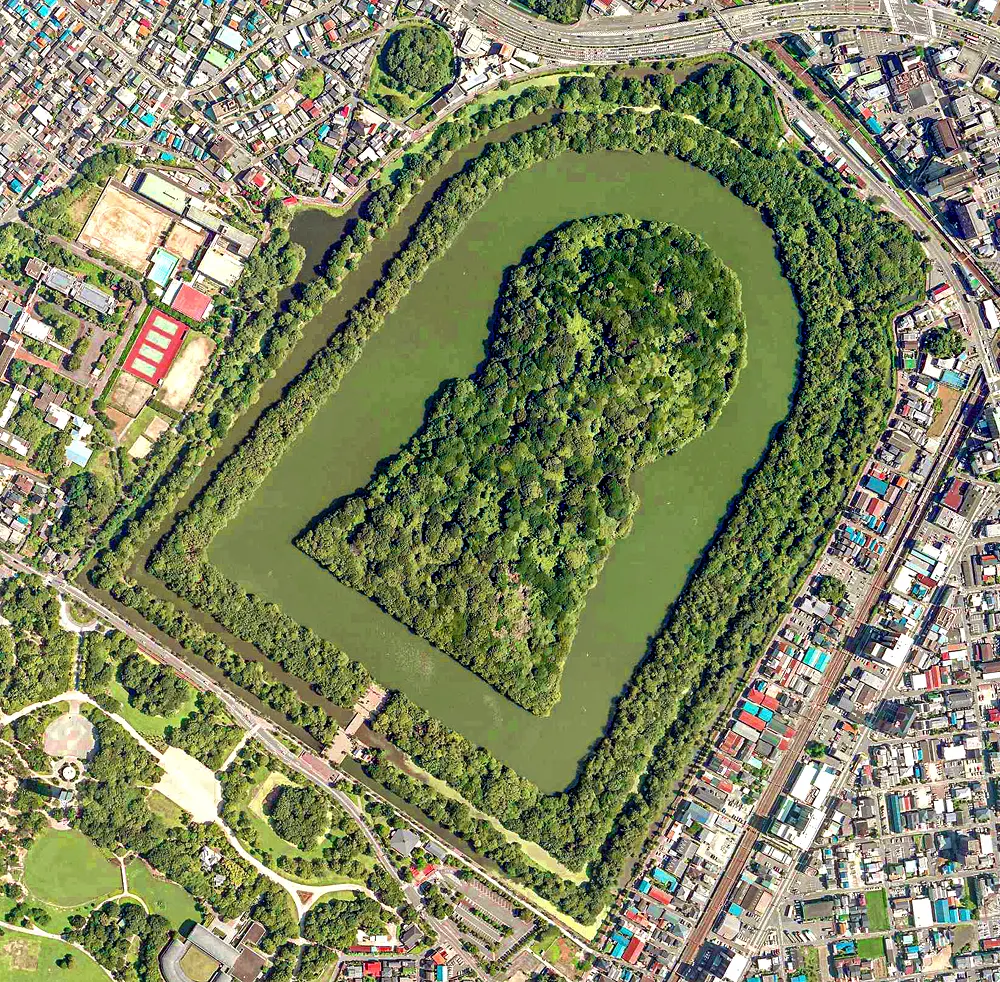 Kofun古墳
Treasure hunts nearby
Getting there
Hotels in Nara
Ad: we may earn a commission if you book through these links, at no extra cost to you.
More temples in Nara
Open the scanner and compare →