TITLE: Daimon タイトル:大門
Official explanation
The Daimon, or Great Gate, stands at the western entrance to Koyasan. This massive wooden gate traditionally represented the official entrance to the Danjo Garan Sacred Temple Complex and the Koyasan plateau. After the original torii-style gate was destroyed by fire, the Daimon was constructed here in 1705.
Similar gates mark the entrance to many Japanese Buddhist temples. However, while most daimon face south, Koyasan’s great gate faces west, in the direction of the Pure Land Buddhist paradise—and China, where Koyasan’s founder, Kobo Daishi (774–835), also known as Kukai, studied Shingon Buddhism before bringing esoteric Buddhist teachings back to Japan. The Daimon also faces the Japanese island of Shikoku, Kobo Dashi’s birthplace and the location of an important Shingon Buddhist pilgrimage route that circles the island, passing through eighty-eight temples along the way.
Read the full explanation
The two-tiered wooden gate stands 25.1 m high. Three large wooden plaques on the upper tier display three characters that, together, read “Koyasan.” The upper level of the gate also contains colorful depictions of waves, representing the hope that both the gate and Koyasan will never again be destroyed by fire.
Two massive statues of nio, or guardian kings, stand in the bays on either side of the Daimon. These statues serve as guardians of Koyasan and are among the largest nio statues remaining in Japan, second only to the massive pair in the Great South Gate of Todaiji Temple in Nara. On the pillars between the statues, two wooden plaques display inscriptions in classical Chinese expressing that “each morning, Kobo Daishi emerges from his meditation to watch over Koyasan and help bring peace,” emphasizing the Shingon Buddhist belief that Kobo Daishi remains in eternal meditation for the benefit of Koyasan and all people, both in Japan and around the world.
出典: 地域観光資源の多言語解説文データベース(観光庁) — www.mlit.go.jp/tagengo-db. この英語解説文は観光庁の地域観光資源の多言語解説整備支援事業で作成しました。
Source: Japan Tourism Agency, Multilingual Explanation Database. This English text was produced by the Japan Tourism Agency's multilingual explanation project and is shown unedited. Opening hours and services may have changed since it was written.
旅Nagoya & Ise tours
Live prices and reviews from GetYourGuide. Many tours can be cancelled for free — check each listing.
Ad: we may earn a commission if you book through these links, at no extra cost to you.
Things you may see here
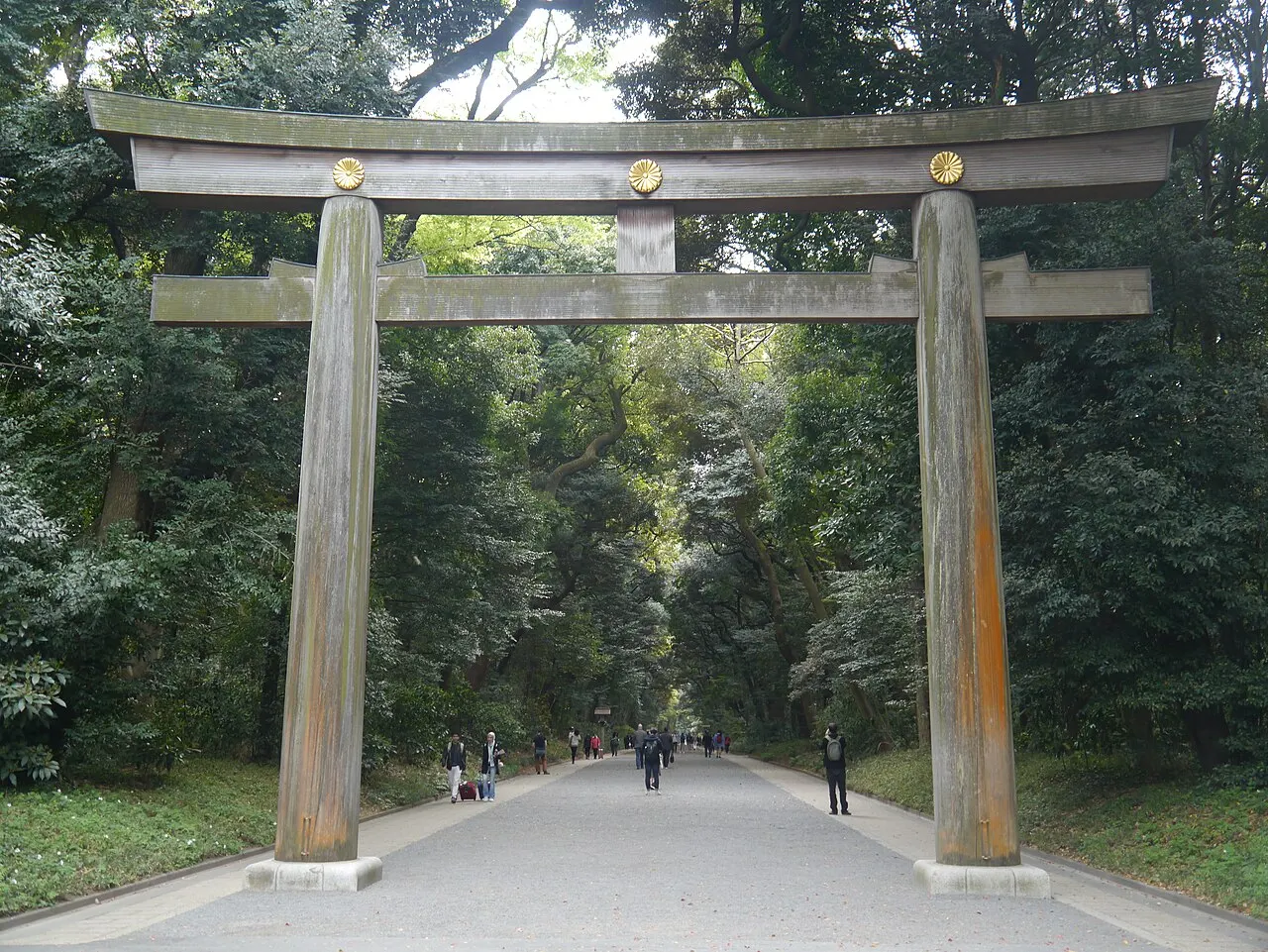 Torii gate鳥居
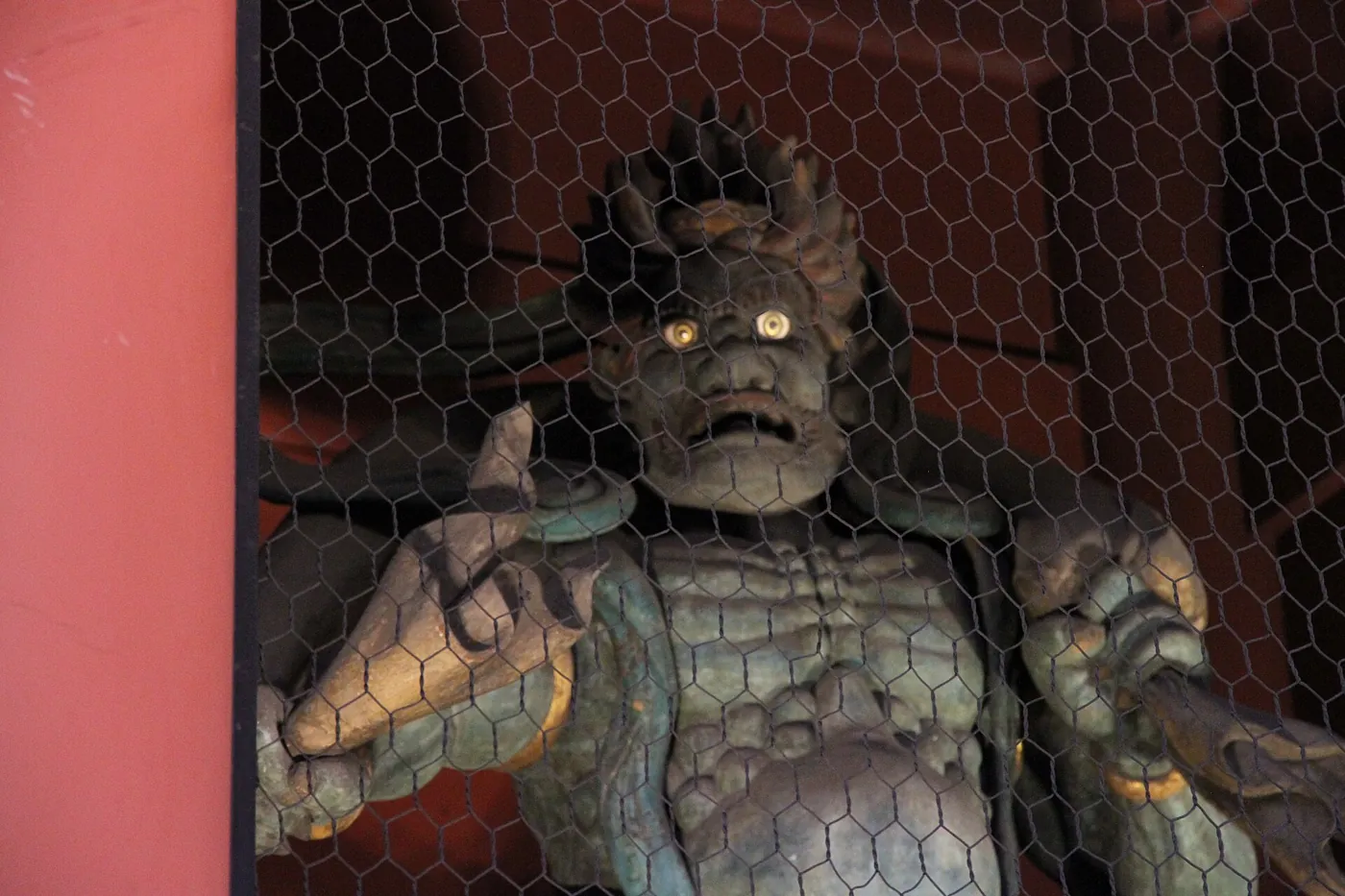 Niō仁王
Getting there
Hotels in Mie
Ad: we may earn a commission if you book through these links, at no extra cost to you.
More sites in Mie
撮Standing in front of one?Open the scanner and compare →