Shokado Garden and Art Museum 松花堂庭園の概要
Official explanation
The Shokado Garden features picturesque landscapes, traditional tea houses, other historic structures related to the culture of tea (chanoyu), and an art museum. Over 40 species of bamboo, about 300 camellia bushes, maple trees, and many other plants flourish throughout the 22,000-square-meter grounds, ensuring that the spacious garden has something in season to enjoy year-round.
The garden is named after Shokado Shojo (1584–1639), a Buddhist monk who lived in one of the temples of the Iwashimizu Hachimangu shrine-temple complex on nearby Mt. Otokoyama. He was an accomplished tea master and artist and was recognized as one of the top three calligraphers of his time. The inner section of the garden contains Shojo’s thatched-roof hermitage and the guest hall of his retirement temple and is a designated National Place of Scenic Beauty.
Read the full explanation
Yawata City gained ownership of the hermitage and temple guest hall and created the Shokado Garden in 1977 to preserve the buildings and honor Yawata’s cultural heritage. Re-creations of three historic tea houses representing different stages in the evolution of tea house architecture were added to the outer garden and are regularly used for tea gatherings and cultural events.
The permanent exhibition at the Shokado Art Museum is focused on the life and art of Shokado Shojo. Various other exhibitions are held throughout the year to display artifacts connected with Mt. Otokoyama and Yawata’s history and culture.
The Shokado Garden covers over 22,000 square meters, featuring picturesque landscapes, traditional tea houses, other historic structures related to the culture of tea (chanoyu), and an art museum. The large garden has more than 40 species of bamboo, about 300 camellia bushes, cherry and maple trees, hydrangeas, and a wide variety of other plants ensuring that there is something to enjoy in any season. Walking the winding paths, visitors can admire several examples of tea house architecture, feed colorful koi carp in the garden pond, or just enjoy the quiet atmosphere.
The garden is named after Shokado Shojo (1584–1639), a Buddhist monk, tea master, and artist, who was recognized as one of the top three calligraphers of his time. Shojo lived on Mt. Otokoyama within the Iwashimizu Hachimangu shrine-temple complex, which practiced a syncretic fusion of Shinto and Buddhism and served as the religious and cultural center of the Yawata area. Shojo’s thatched-roof hermitage and the guest hall of his retirement temple are now preserved in the inner section of the Shokado Garden, allowing visitors to imagine how Shojo lived in his later years. The lush inner garden incorporates an ancient burial mound (kofun) and is a designated National Place of Scenic Beauty.
Yawata City created the Shokado Garden in 1977 to preserve and promote Yawata’s cultural heritage. Along with the hermitage and temple guest hall, three re-creations of historic tea houses representing different stages in the evolution of tea house architecture were added to the outer garden. Each of them is named after one of the three auspicious plants often featured together in Japanese art and poetry: pine, bamboo, and plum. The tea houses are regularly used for tea gatherings and other cultural events.
The Shokado Art Museum is located to the right of the main garden entrance. It houses a permanent exhibition focused on the life and art of Shokado Shojo and holds special exhibitions throughout the year, displaying artifacts connected with Mt. Otokoyama and the history and culture of Yawata. Next to the museum is Kyoto Kitcho Shokado, a renowned restaurant specializing in fine Japanese cuisine, which serves “Shokado Bento” meals inspired by Shokado Shojo.
出典: 地域観光資源の多言語解説文データベース(観光庁) — www.mlit.go.jp/tagengo-db. この英語解説文は観光庁の地域観光資源の多言語解説整備支援事業で作成しました。
Source: Japan Tourism Agency, Multilingual Explanation Database. This English text was produced by the Japan Tourism Agency's multilingual explanation project and is shown unedited. Opening hours and services may have changed since it was written.
旅Kyoto tours
Live prices and reviews from GetYourGuide. Many tours can be cancelled for free — check each listing.
Ad: we may earn a commission if you book through these links, at no extra cost to you.
Things you may see here
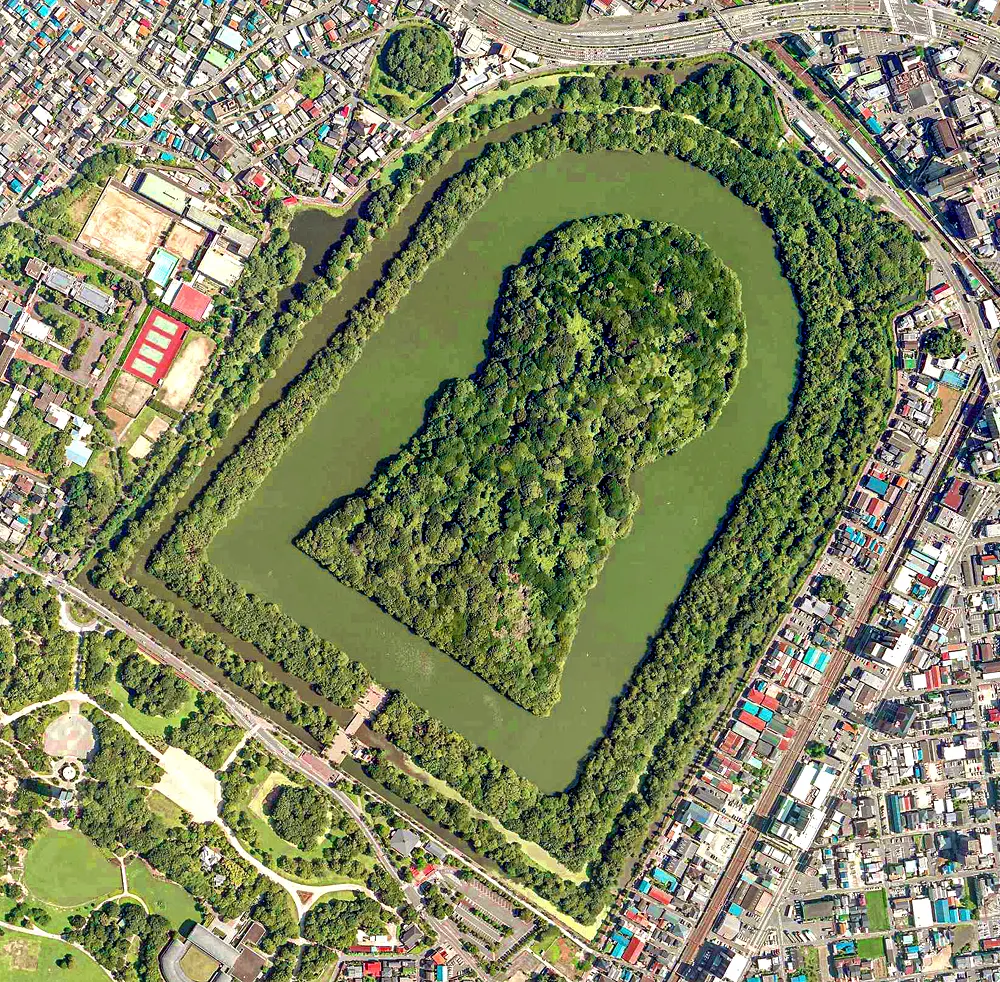 Kofun古墳
Treasure hunts nearby

Getting there
Hotels near Kyoto Station
Ad: we may earn a commission if you book through these links, at no extra cost to you.
More temples in Kyoto
Open the scanner and compare →