Mausoleum of Emperor Meiji 明治天皇伏見桃山陵
Official explanation
Emperor Meiji was born on November 3, 1852 and ascended the Chrysanthemum Throne at the age of fifteen. He is credited with the creation of modern Japan through the active encouragement of industrial, social, educational, political, and military reforms. He promoted engagement with the outside world after more than 200 years of almost total isolation under the previous samurai government. For such a major historical figure, his final resting place is quietly understated. Built atop the ruins of warlord Toyotomi Hideyoshi’s (1537–1598) Fushimi Castle, the mausoleum of Japan’s 122nd emperor is a peaceful spot of quiet contemplation.
Though most imperial tombs are purely symbolic installations, the Mausoleum of Emperor Meiji is unusual in that the emperor’s remains are actually buried here. Keeping with Buddhist tradition, Japanese emperors were cremated after death starting with Emperor Tenmu (?-686), but Emperor Meiji’s promotion of new alternatives extended even to his death rites. The tomb itself is behind a number of torii gates. The two-tiered burial mound is square at the base, circular on top, and covered with sazareishi, small sacred stones that are said to have the power to grow into great boulders. Such stones are referenced, appropriately, in Japan’s national anthem, “Kimigayo.”
Read the full explanation
The kilometer-long avenue that leads to the tomb was built in great haste following the Emperor’s death, and it twists to follow the contours of the old castle moat. It is a quiet, leisurely walk. Another more direct approach was built later, ending in 230 stone steps that locals now use for exercise.
出典: 地域観光資源の多言語解説文データベース(観光庁) — www.mlit.go.jp/tagengo-db. この英語解説文は観光庁の地域観光資源の多言語解説整備支援事業で作成しました。
Source: Japan Tourism Agency, Multilingual Explanation Database. This English text was produced by the Japan Tourism Agency's multilingual explanation project and is shown unedited. Opening hours and services may have changed since it was written.
旅Kyoto tours
Live prices and reviews from GetYourGuide. Many tours can be cancelled for free — check each listing.
Ad: we may earn a commission if you book through these links, at no extra cost to you.
Things you may see here
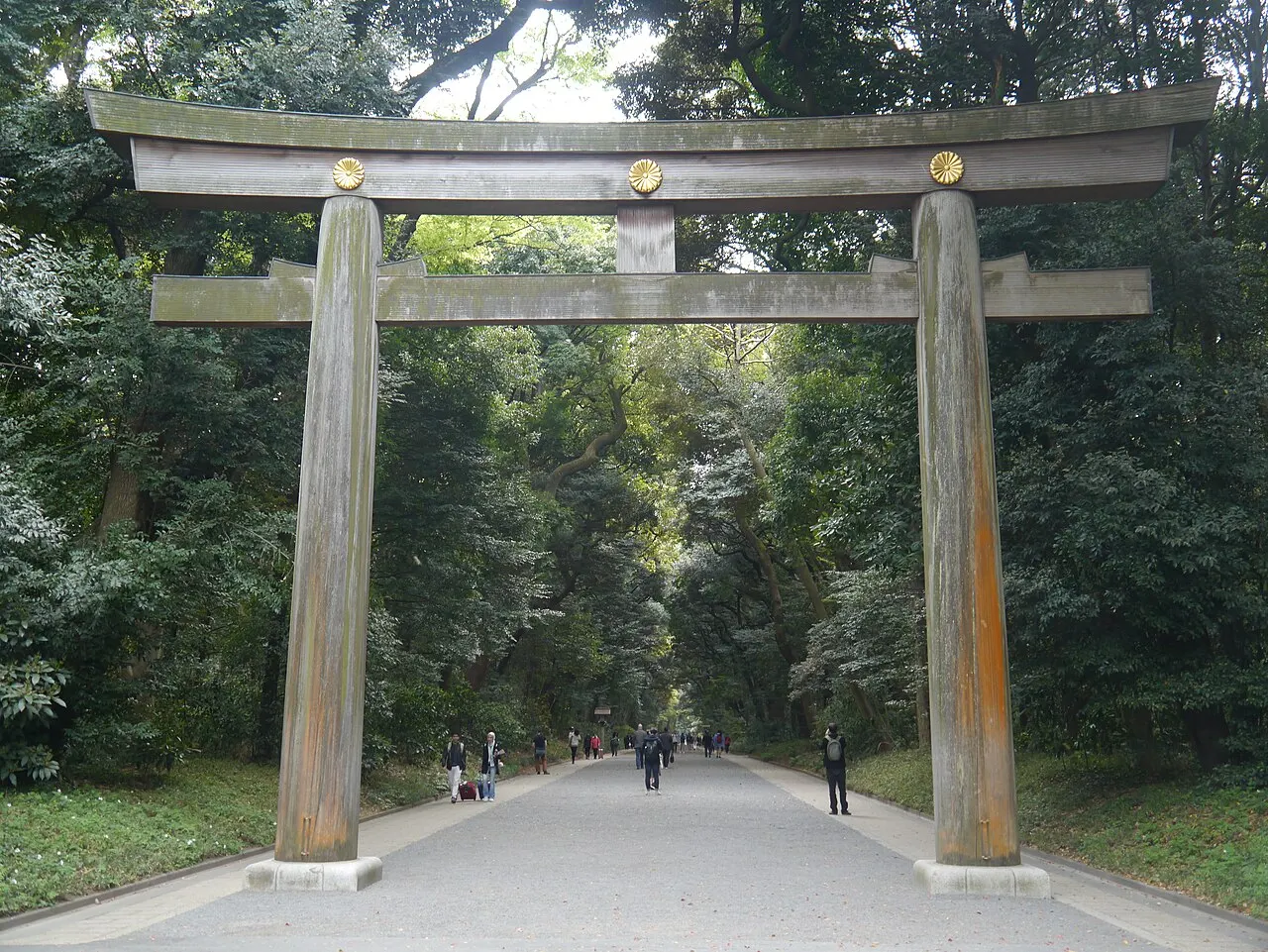 Torii gate鳥居
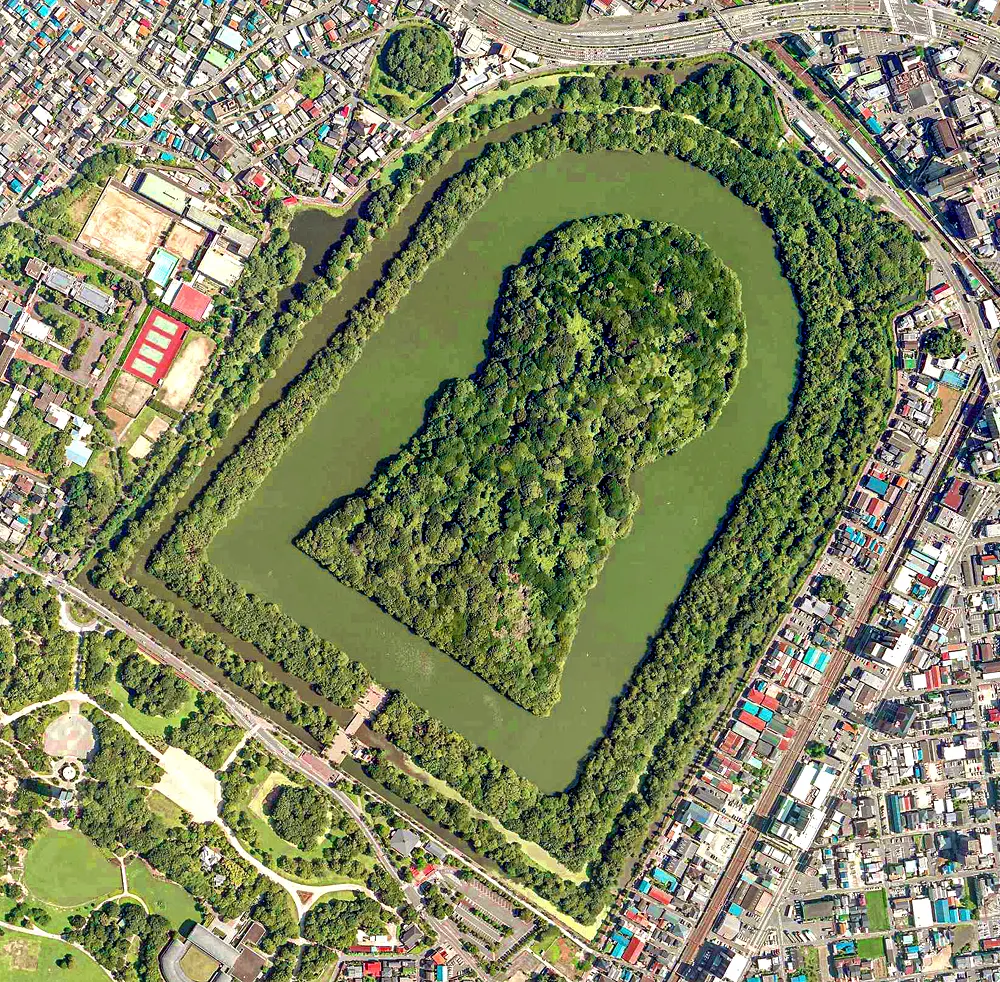 Kofun古墳
Treasure hunts nearby

Getting there
Hotels near Kyoto Station
Ad: we may earn a commission if you book through these links, at no extra cost to you.
More kofuns in Kyoto
Open the scanner and compare →