Konzoji Temple 金蔵寺
Official explanation
Konzoji Temple is located halfway up Mt. Oshio, providing an opportunity to explore the precincts while enjoying the natural scenery of the Oharano area. The temple is especially popular in autumn when the maple trees on the grounds turn brilliant red and orange, as the high elevation causes the leaves to change color earlier than in many other locations. Konzoji was founded in 718, but was lost to fire during the Onin War (1467–1477). Like many other temples in the area, it was rebuilt in 1691 with financing provided by Keishoin (1627–1705), mother of the fifth Tokugawa shogun, Tsunayoshi.
Temple Grounds
Read the full explanation
A visit to Konzoji begins by passing through the Niomon Gate and ascending a stone stairway to the temple office, bell tower, pond, and the Gomado Hall. The temple’s Hondo (Main Hall) is located at the top of another flight of stone steps. It enshrines the principal object of worship: a statue of Kannon, the bodhisattva of compassion, depicted in an eleven-faced, thousand-armed form. The Hondo is generally closed to the public, so people pray to the bodhisattva from outside the hall.
To the west of the Hondo is the route to Hayama Jinja Shrine and Keishoin Mausoleum, where a lock of Keishoin’s hair is said to be enshrined. To the east of the Hondo is a vermilion torii gate and a path that leads to the Atago Daigongen Hall, which houses a statue of the bodhisattva Shogun Jizo. It was originally worshipped on Mt. Atago and is believed to guard against fire and help achieve victory in battle. The sculpture is available for public viewing only on April 23rd. A replica is enshrined in the Gomado Hall.
A short walk farther east from the Hondo leads to a stairway to the Kaisando (Founder’s Hall) and to Shimonogawa Benzaiten, a shrine in an octagonal stone enclosure. An observation deck at the end of the path offers a panorama of the Kyoto basin and the surrounding mountains. Near the lookout point is an old tea house with several simple decorations, such as maneki neko (beckoning cat) and plump tanuki (raccoon dog) figurines. Many more ceramic tanuki statuettes can be spotted throughout the temple grounds.
Enjoying the Natural Scenery
The mountainside location of Konzoji makes it well suited for enjoying nature and the changing seasons. In spring, a cherry tree next to the pond, said to have been planted by Keishoin, and wild cherries on the mountain slopes add touches of soft pink and white to the scenery. The numerous maple trees growing on the grounds and lining the stone stairways are emerald green in spring and summer and turn vivid orange, red, and yellow in autumn, creating a rich palette of color.
Please note that the mountain paths can be slippery in the rain with a possibility of mudslides, so visiting the temple should be avoided in poor weather.
出典: 地域観光資源の多言語解説文データベース(観光庁) — www.mlit.go.jp/tagengo-db. この英語解説文は観光庁の地域観光資源の多言語解説整備支援事業で作成しました。
Source: Japan Tourism Agency, Multilingual Explanation Database. This English text was produced by the Japan Tourism Agency's multilingual explanation project and is shown unedited. Opening hours and services may have changed since it was written.
旅Kyoto tours
Live prices and reviews from GetYourGuide. Many tours can be cancelled for free — check each listing.
Ad: we may earn a commission if you book through these links, at no extra cost to you.
Things you may see here
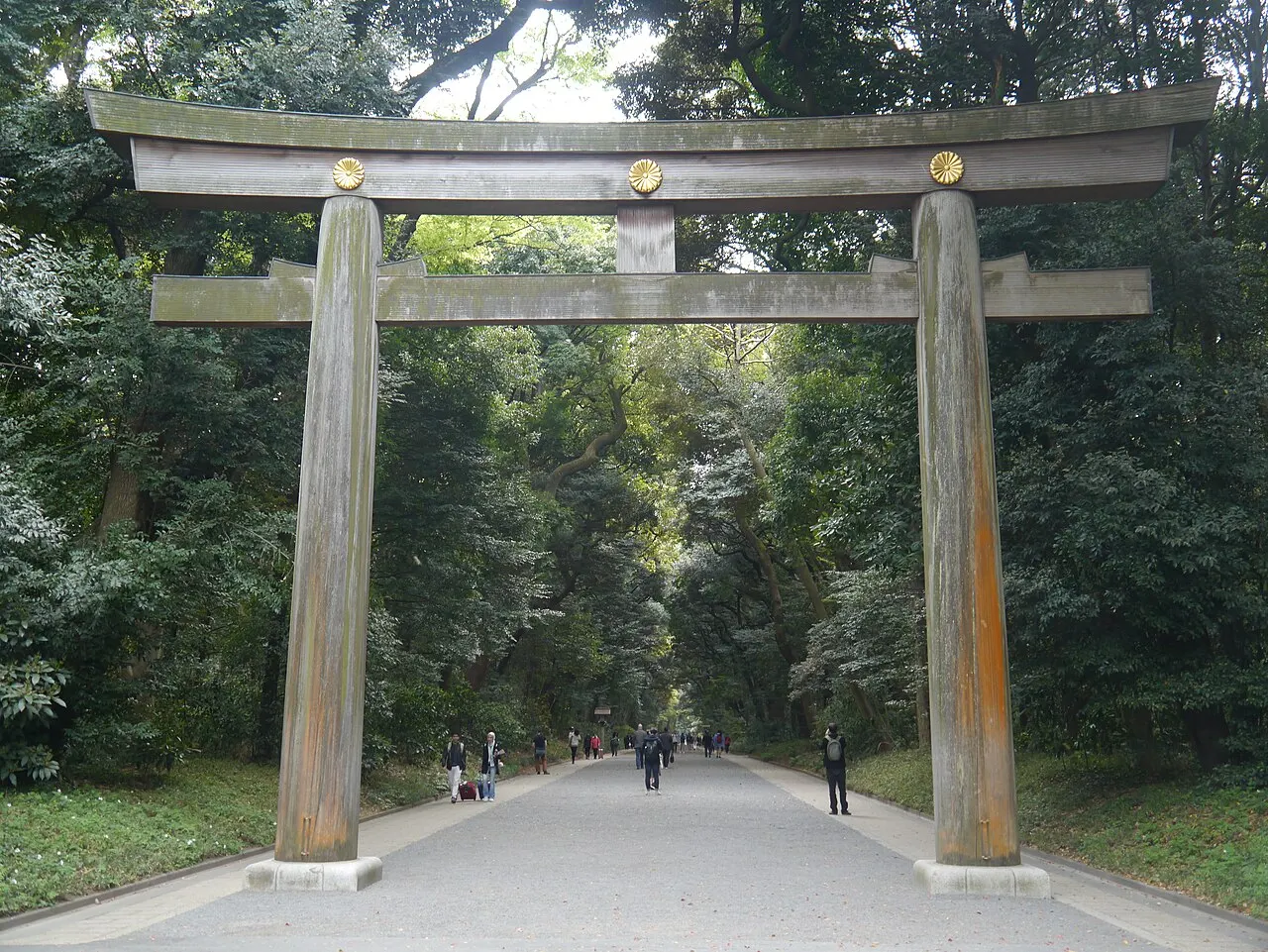 Torii gate鳥居
Treasure hunts nearby
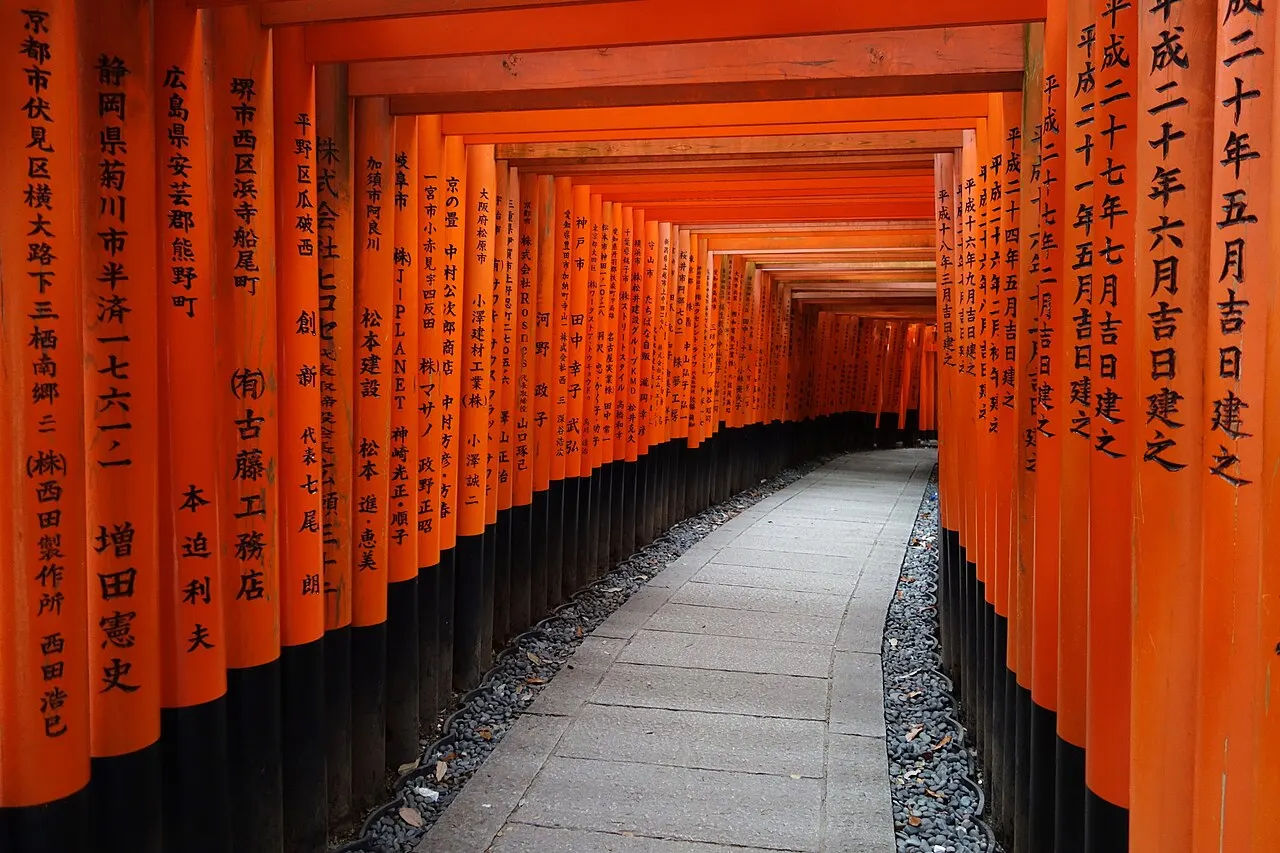
Getting there
Hotels near Kyoto Station
Ad: we may earn a commission if you book through these links, at no extra cost to you.
More temples in Kyoto
Open the scanner and compare →