Wakamiya Shrine 若宮
Official explanation
The Wakamiya Shrine is the second most important shrine at Tsurugaoka Hachimangu, after the Main Shrine. The term wakamiya is used for a sub-shrine which enshrines a child of the central deity of the main shrine or has a special relationship to that deity, and the four deities enshrined here are all related to Emperor Ojin, or Hachiman, the guardian deity of the warrior class and of the nation of Japan, who is enshrined in the main shrine. The four deities are Ojin’s wife Empress Nakatsu, his son Emperor Nintoku, Nintoku’s wife Empress Iwano, and their son Emperor Richu, all semi-mythical figures. This arrangement of an upper and lower shrine dates from 1191, when Tsurugaoka Hachimangu was rebuilt after a fire. Before 1191, there was only one shrine, which stood close to where Wakamiya is today.
The current building was completed in 1624 and is designated an Important Cultural Property. It is in the same gongen-zukuri style as the Main Shrine, with the worship hall (haiden), offering hall (heiden), and main sanctuary (honden) all under one roof. The building is decorated with sculptures of guardian lions and peonies. This combination is considered auspicious in Chinese mythology because the lion is the king of beasts while the peony is the queen of flowers.
Read the full explanation
The Wakamiya Shrine is the second most important shrine at the Tsurugaoka Hachimangu, after the Main Shrine. The term wakamiya is used for a sub-shrine which enshrines a child of the central deity of the main shrine or has a special relationship to that deity, and the four deities enshrined here are all related to Emperor Ojin, or Hachiman, the guardian deity of the warrior class and of the nation of Japan, who is enshrined in the main shrine. The four deities are Ojin’s wife Empress Nakatsu, his son Emperor Nintoku, Nintoku’s wife Empress Iwano, and their son Emperor Richu, all semi-mythical figures.
This hierarchical arrangement of an upper and lower shrine dates to 1191, when Tsurugaoka Hachimangu was rebuilt after a fire devastated the grounds. Before that, there was one main shrine, which stood close to where Wakamiya is today, at the foot of the stone staircase that leads to the current Main Shrine.
Guarding against fire was a factor in deciding to establish a new main sanctuary on the mountainside, as the location would offer protection against flames spreading from a fire in the town below. The stone staircase that connects the Main Shrine and Wakamiya was built at that time.
The current Wakamiya shrine building, designated an Important Cultural Property, was completed in 1624. It is in the same gongen-zukuri style as the Main Shrine, with the worship hall (haiden), offering hall (heiden), and main shrine (honden) all under one roof.
The Wakamiya Shrine is the second most important shrine at the Tsurugaoka Hachimangu, after the Main Shrine. The term wakamiya is used for a sub-shrine which enshrines a child of the central deity of the main shrine or has a special relationship to that deity, and the four deities enshrined here are all related to Emperor Ojin, or Hachiman, the guardian deity of the warrior class and of the nation of Japan, who is enshrined in the main shrine. The four deities are Ojin’s wife Empress Nakatsu, his son Emperor Nintoku, Nintoku’s wife Empress Iwano, and their son Emperor Richu, all semi-mythical figures. This hierarchical arrangement of an upper and lower shrine dates to 1191, when Tsurugaoka Hachimangu was rebuilt after a fire devastated the grounds. Before that, there was one main shrine, which stood close to where Wakamiya is today, at the foot of the stone staircase that leads to the Main Shrine. The current Wakamiya shrine building was completed in 1624 and is designated an Important Cultural Property. It is in the same gongen-zukuri style as the Main Shrine, with the worship hall (haiden), offering hall (heiden), and main shrine (honden) all under one roof.
出典: 地域観光資源の多言語解説文データベース(観光庁) — www.mlit.go.jp/tagengo-db. この英語解説文は観光庁の地域観光資源の多言語解説整備支援事業で作成しました。
Source: Japan Tourism Agency, Multilingual Explanation Database. This English text was produced by the Japan Tourism Agency's multilingual explanation project and is shown unedited. Opening hours and services may have changed since it was written.
旅Kamakura tours
Live prices and reviews from GetYourGuide. Many tours can be cancelled for free — check each listing.
Ad: we may earn a commission if you book through these links, at no extra cost to you.
Things you may see here
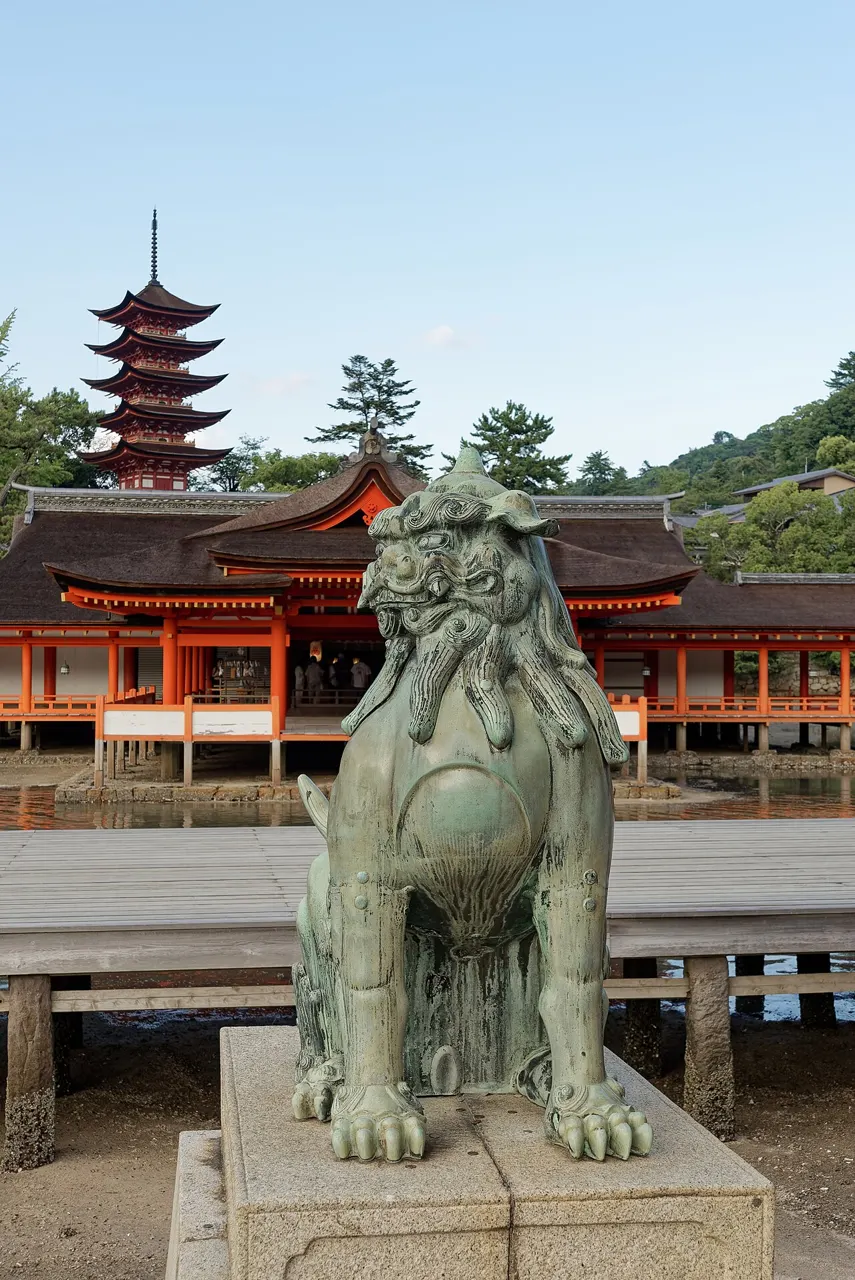 Komainu狛犬
Getting there
Hotels in Kanagawa
Ad: we may earn a commission if you book through these links, at no extra cost to you.
More shrines in Kanagawa
Open the scanner and compare →