Plum Trees of Dazaifu 太宰府天満宮の梅
Official explanation
Plum trees were introduced to Japan from China during the Nara period (710–794). They were brought to Dazaifu by officials from the imperial court—particularly Sugawara Michizane (845–903), a poet and scholar who loved plum blossoms. After Michizane’s death, he was enshrined at Dazaifu Tenmangū Shrine, and a plum blossom became the symbol of both the shrine and the greater city of Dazaifu.
In the ninth century, cultivating plum trees and hosting plum-blossom viewing parties were expressions of high culture, and Michizane was deeply devoted to them. Before leaving Kyoto for his exile in Dazaifu, Michizane composed a now-famous poem addressed to his garden’s plum tree:
Read the full explanation
kochi fukaba
nioi okoseyo
ume no hana
aruji nashi tote
haru na wasure so
Should the spring breeze blow,
Let it carry your scent to me,
my blossoming plum!
Even with your master gone,
never forget the spring.
According to legend, after Michizane’s departure the tree could not bear to be without him. It uprooted itself and flew in a single night to be with him in Dazaifu, earning the name tobiume, or “flying plum tree.” It is said that the large plum tree in front of the shrine’s main sanctuary is this same tree. In a special June ceremony, priests and shrine maidens gather the plums it produces and use them to make a limited number of very special amulets that convey the blessings of Tenjin.
Another tale connecting Michizane to plum trees speaks of a time after his arrival in Dazaifu, when he was suffering from hunger. A kind old woman brought him mochi rice cakes skewered on a plum branch. Today, her kindness is remembered in the Dazaifu treat called umegae mochi. These rice-flour dumplings are filled with sweetened red bean paste, and the shape of a plum blossom is burned onto their surface.
The abundance of plum trees at Dazaifu Tenmangū is a gesture of love and respect for Tenjin.
Around 6,000 plum trees of some 200 varieties grow on the grounds, and from late January to early March, they fill the shrine’s gardens and walks with blooms of red and white.
The shrine holds multiple festivals in celebration of plum trees, including the Plum Blossom Ceremony, or baikasai, where shrine maidens dance holding plum branches, and Kyokusui no En, a poetry composition ceremony held beneath the spring blossoms.
Today, the plum blossom is not only a symbol of Dazaifu Tenmangū—it is also the symbol of Dazaifu and Fukuoka Prefecture. In Dazaifu, plum trees are planted in the yards of neighborhood houses and have become an intrinsic part of the city’s culture.
出典: 地域観光資源の多言語解説文データベース(観光庁) — www.mlit.go.jp/tagengo-db. この英語解説文は観光庁の地域観光資源の多言語解説整備支援事業で作成しました。
Source: Japan Tourism Agency, Multilingual Explanation Database. This English text was produced by the Japan Tourism Agency's multilingual explanation project and is shown unedited. Opening hours and services may have changed since it was written.
旅Kyūshū tours
Live prices and reviews from GetYourGuide. Many tours can be cancelled for free — check each listing.
Ad: we may earn a commission if you book through these links, at no extra cost to you.
Things you may see here
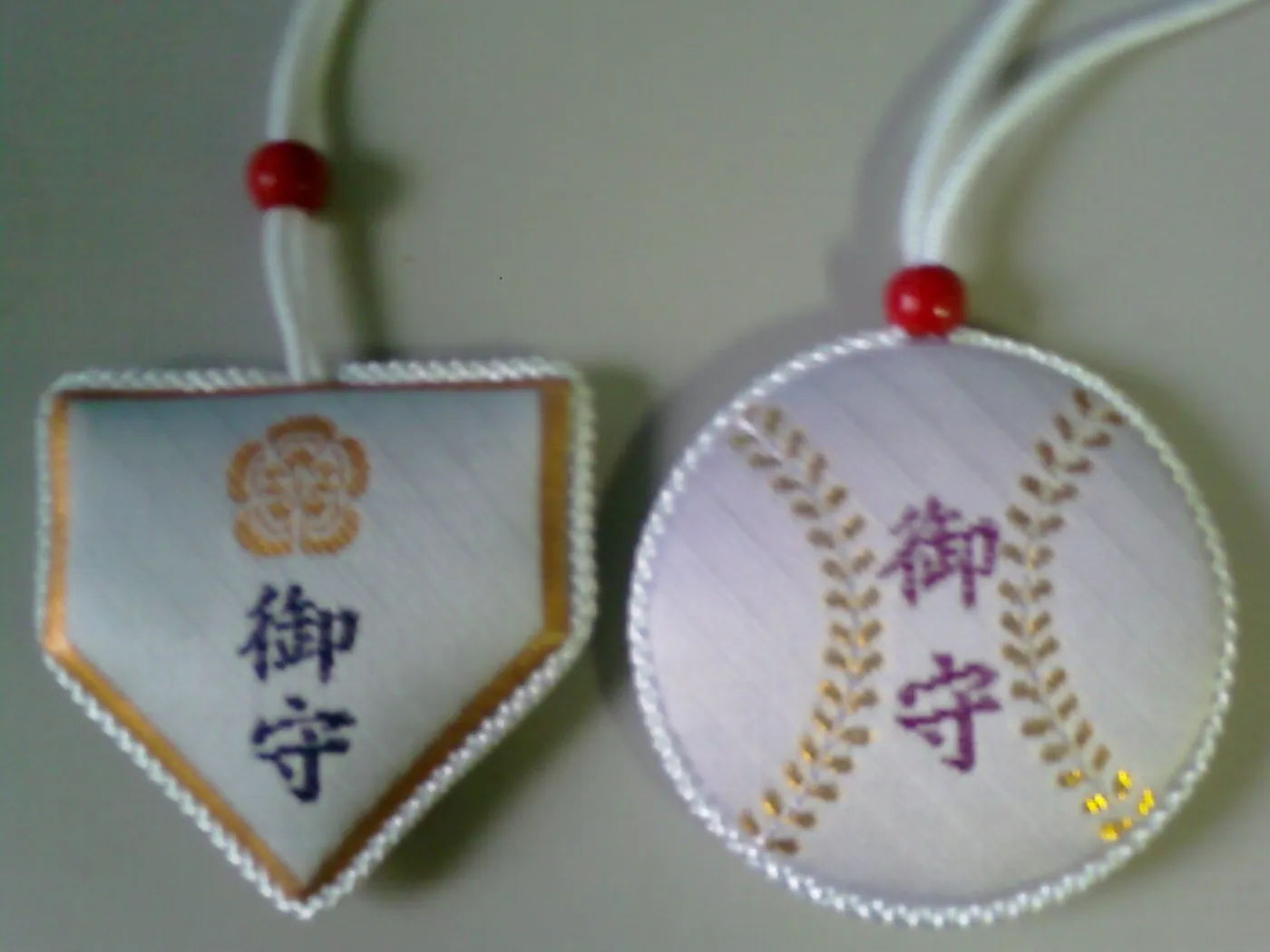 Omamoriお守り
Getting there
Hotels in Kyūshū
Ad: we may earn a commission if you book through these links, at no extra cost to you.
More shrines in Fukuoka
Open the scanner and compare →