Kamado Shrine 竈門神社
Official explanation
Kamado Shrine is dedicated to the female deity Tamayori-hime. Tamayori-hime is associated with romantic fortune and matchmaking. Consequently, the shrine attracts people seeking happiness and good fortune in their relationships. Worshippers have visited Kamado Shrine to pay homage to Tamayori-hime for over 1,350 years.
During the seventh to twelfth centuries, when Dazaifu was the administrative center of Kyushu and a hub for international relations, Japanese emissaries would visit to pray for safe sea voyages before embarking on trips to the Asian continent.
Read the full explanation
Craftsmen used Japanese cypress wood for the sturdy pillars and sweeping roofs of the shrine, and the same material was used in the renovation of the main shrine building in 2013. In the grounds, cherry trees bloom in the spring and maples turn red and gold in the autumn.
Mt. Homan rises behind the shrine. The mountain stands northeast of Dazaifu and plays a vital role in protecting it from evil spirits traditionally believed to come from that direction. The mountain is an important site for practitioners of Shugendo—a folk-religion based on mountain worship that involves extreme feats of endurance and asceticism.
Kamado Jinja Shrine
Kamado Jinja Shrine is dedicated to Tamayori Hime, the Shinto deity of enmusubi, or matchmaking. It has a lower shrine (gegū) at the base of Mt. Hōman and an upper shrine (jōgū) on the peak—a site of prayer for safe travels abroad since ancient times.
Although usually associated with love and marriage, enmusubi encompasses all positive human connections in love, friendship, and even work. In the Edo period (1603–1867), young men and women climbed Mt. Hōman with their parents on their sixteenth birthdays to pray—boys for worldly success, and girls for a good match in marriage. Today, most visitors who come to Kamado Jinja seek favor with Tamayori Hime in her role as a matchmaker. In addition to praying to the deity at the main sanctuary, worshippers can stand before a sacred tree called the Saikachi no Ki (“reunion tree”) to pray for reunions with loved ones. There are also two Aikei no Iwa (“love rocks”) positioned a short distance apart. Supposedly those who can make their way from one rock to the other with their eyes closed will find love. The Mizu Kagami (“water mirror”) grants wishes to those who stare at their reflections with a clear mind.
Some of those who visit Kamado Jinja are fans of the hit manga and anime series Demon Slayer (Kimetsu no yaiba). From the late thirteenth to late nineteenth centuries, practitioners of Shugendō, or mountain asceticism, were active on Mt. Hōman, and the series protagonist, Tanjirō Kamado, shares a name with the shrine.
出典: 地域観光資源の多言語解説文データベース(観光庁) — www.mlit.go.jp/tagengo-db. この英語解説文は観光庁の地域観光資源の多言語解説整備支援事業で作成しました。
Source: Japan Tourism Agency, Multilingual Explanation Database. This English text was produced by the Japan Tourism Agency's multilingual explanation project and is shown unedited. Opening hours and services may have changed since it was written.
旅Kyūshū tours
Live prices and reviews from GetYourGuide. Many tours can be cancelled for free — check each listing.
Ad: we may earn a commission if you book through these links, at no extra cost to you.
Things you may see here
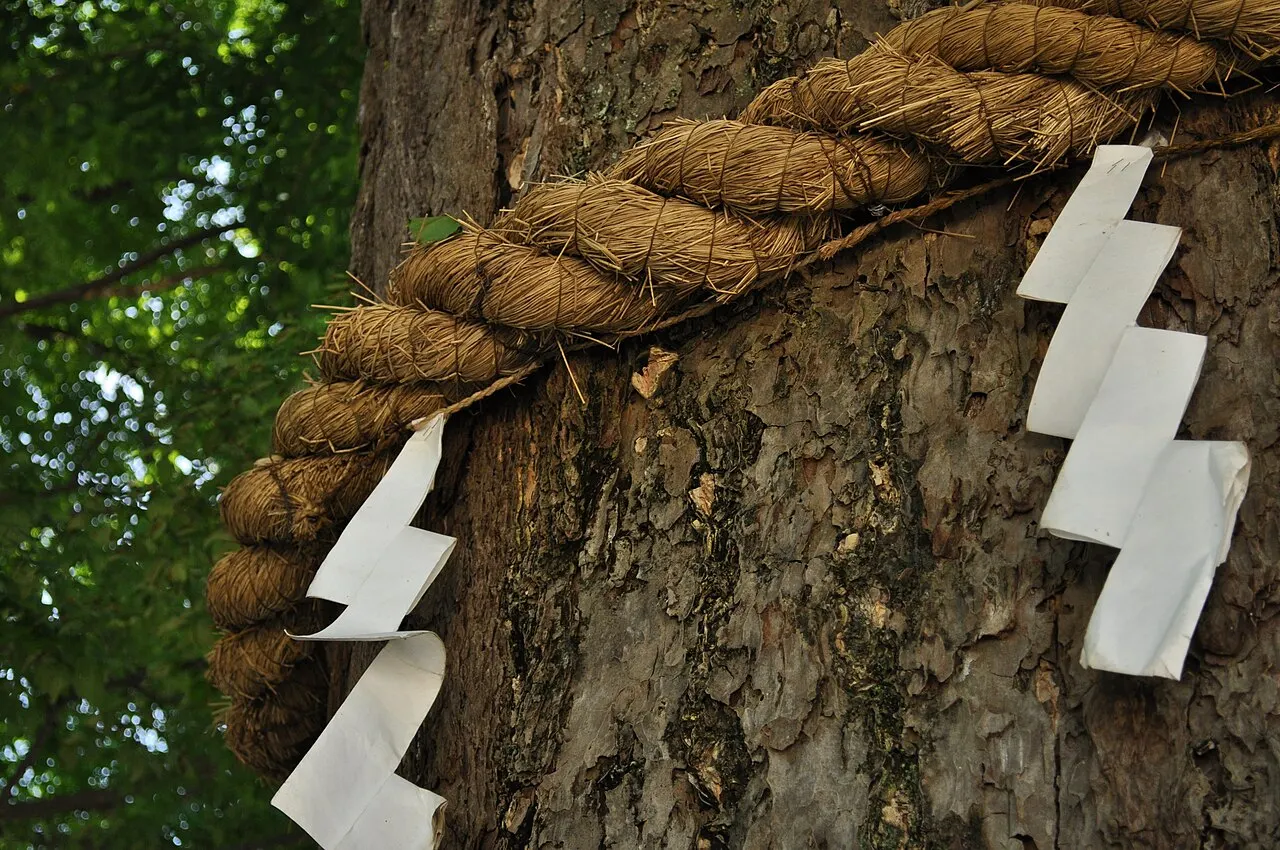 Sacred tree御神木
Getting there
Hotels in Kyūshū
Ad: we may earn a commission if you book through these links, at no extra cost to you.
More shrines in Fukuoka
Open the scanner and compare →