Enokisha Shrine 榎社
Official explanation
Enokisha Shrine stands on the site where Sugawara Michizane (845–903) lived his final two years. Michizane was a celebrated poet and administrator who was later deified as Tenjin, the Shinto deity of learning, culture, and the arts. He is enshrined at Dazaifu Tenmangū Shrine, which was erected over his grave. Every year, a grand procession escorts Tenjin from Dazaifu Tenmangū’s main sanctuary to Enokisha for a visit. This late-September festival, called the Jinkō Event (jinkōshiki), is Dazaifu Tenmangū’s most important annual ritual. Tenjin is carried inside an ornate portable shrine called a mikoshi, and hundreds of participants clothed in Heian-period (794–late 12th century) attire accompany him on the three-hour procession to Enokisha.
In Michizane’s day, the site was occupied by the Nankan, a run-down residence for government officials. Despite Dazaifu’s relative importance as a center of trade, it was very far from the imperial capital and positions of political influence such as Michizane had previously held. When jealous rivals caused him to lose favor with the emperor, Michizane was demoted and exiled to Dazaifu, where he lived in hardship. In a collection of poems completed in 903, Michizane expresses the emptiness of his new life: confined to his residence, he can see nothing but the roof tiles of other government offices, and hear nothing but the tolling of a temple bell. However, legend tells that in the midst of his misery, an elderly woman named Jōmyōni showed him compassion by bringing mochi rice cakes skewered on the branches of a plum tree. Because of her kindness, a small shrine (hokora) dedicated to Jōmyōni stands behind Enokisha’s main hall. Part of the purpose of the Jinkō Event is for Tenjin to visit her spirit and express his gratitude.
Read the full explanation
When the Jinkō Event procession arrives at Enokisha, shrine parishioners carry Tenjin through the torii gate and set the mikoshi down on a stone stand just beyond. They offer prayers, then carry the mikoshi around the shrine’s main hall to Jōmyōni’s shrine. Once Tenjin has greeted her, the bearers carry his mikoshi back to the main hall and place it inside. To the south, on the summit of Mt. Tenpai, a bonfire called the “fires to welcome returning spirits” (mukaebi) is lit, and its light is visible from the shrine. Enokisha’s hall serves as a temporary shelter for the deity, who passes the night at his former residence. City residents and visitors alike come to pray to Tenjin before the procession returns the next day to carry him back to Dazaifu Tenmangū.
When Michizane was demoted and sent to Dazaifu, only two of his young children could accompany him: his daughter Benihime and his son Kumamaro. A memorial shrine honoring Benihime stands next to the shrine dedicated to Jōmyōni. The grave of Kumamaro is located a short walk away.
出典: 地域観光資源の多言語解説文データベース(観光庁) — www.mlit.go.jp/tagengo-db. この英語解説文は観光庁の地域観光資源の多言語解説整備支援事業で作成しました。
Source: Japan Tourism Agency, Multilingual Explanation Database. This English text was produced by the Japan Tourism Agency's multilingual explanation project and is shown unedited. Opening hours and services may have changed since it was written.
旅Kyūshū tours
Live prices and reviews from GetYourGuide. Many tours can be cancelled for free — check each listing.
Ad: we may earn a commission if you book through these links, at no extra cost to you.
Things you may see here
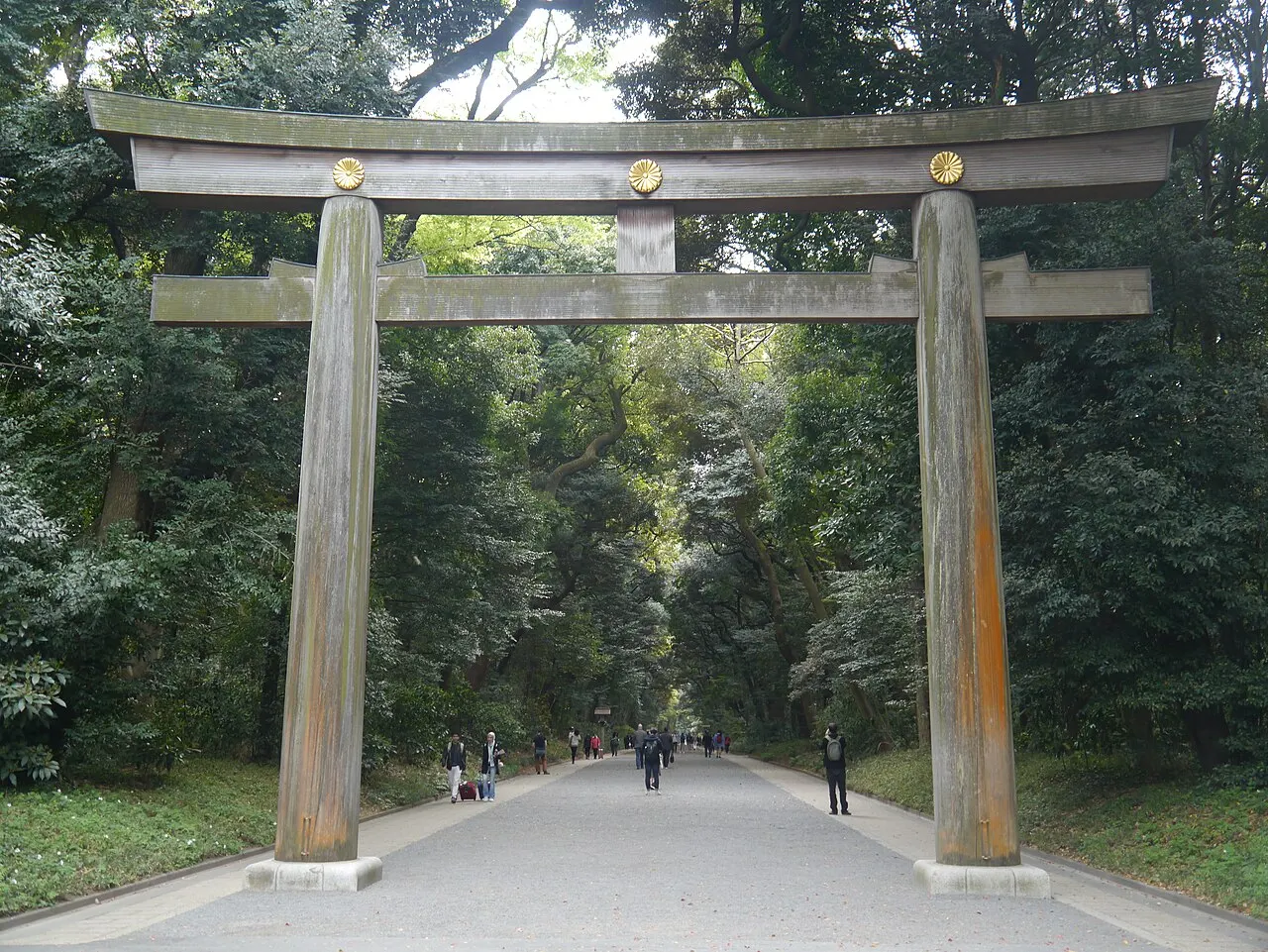 Torii gate鳥居
Getting there
Hotels in Kyūshū
Ad: we may earn a commission if you book through these links, at no extra cost to you.
More sites in Fukuoka
撮Standing in front of one?Open the scanner and compare →