Daikokuten 観世音寺大黒天
Official explanation
Daikokuten (Skt: Mahākāla)
Daikokuten is known as the god of food, farmers, prosperity, and wealth. Here, Daikokuten’s thin slender and forbidding features reflect his original origins as the Indian war god called Mahākāla. This image deviates from the more common Japanese portrayals of Daikokuten, which are generally portly, carry a broad smile, stand on two bales of rice, and hold a small mallet and large treasure sack slung over the shoulder.
Read the full explanation
This statue measures 171 centimeters and is the oldest extant image of Daikokuten in Japan. It is a particularly tall rendition of the deity compared with many others. Despite its size, the figure seems rather small in the context of the Treasure House, overshadowed by larger, more imposing sculptures. This figure dates from the late Heian period (794–1185). The sculptor carved the image from a single block of camphor. It is considered noteworthy among Buddhist statues in Japan due to the unusual rendering of the subject. The amulet charms in front of the statue offer the owner protection against hunger.
出典: 地域観光資源の多言語解説文データベース(観光庁) — www.mlit.go.jp/tagengo-db. この英語解説文は観光庁の地域観光資源の多言語解説整備支援事業で作成しました。
Source: Japan Tourism Agency, Multilingual Explanation Database. This English text was produced by the Japan Tourism Agency's multilingual explanation project and is shown unedited. Opening hours and services may have changed since it was written.
旅Kyūshū tours
Live prices and reviews from GetYourGuide. Many tours can be cancelled for free — check each listing.
Ad: we may earn a commission if you book through these links, at no extra cost to you.
Things you may see here
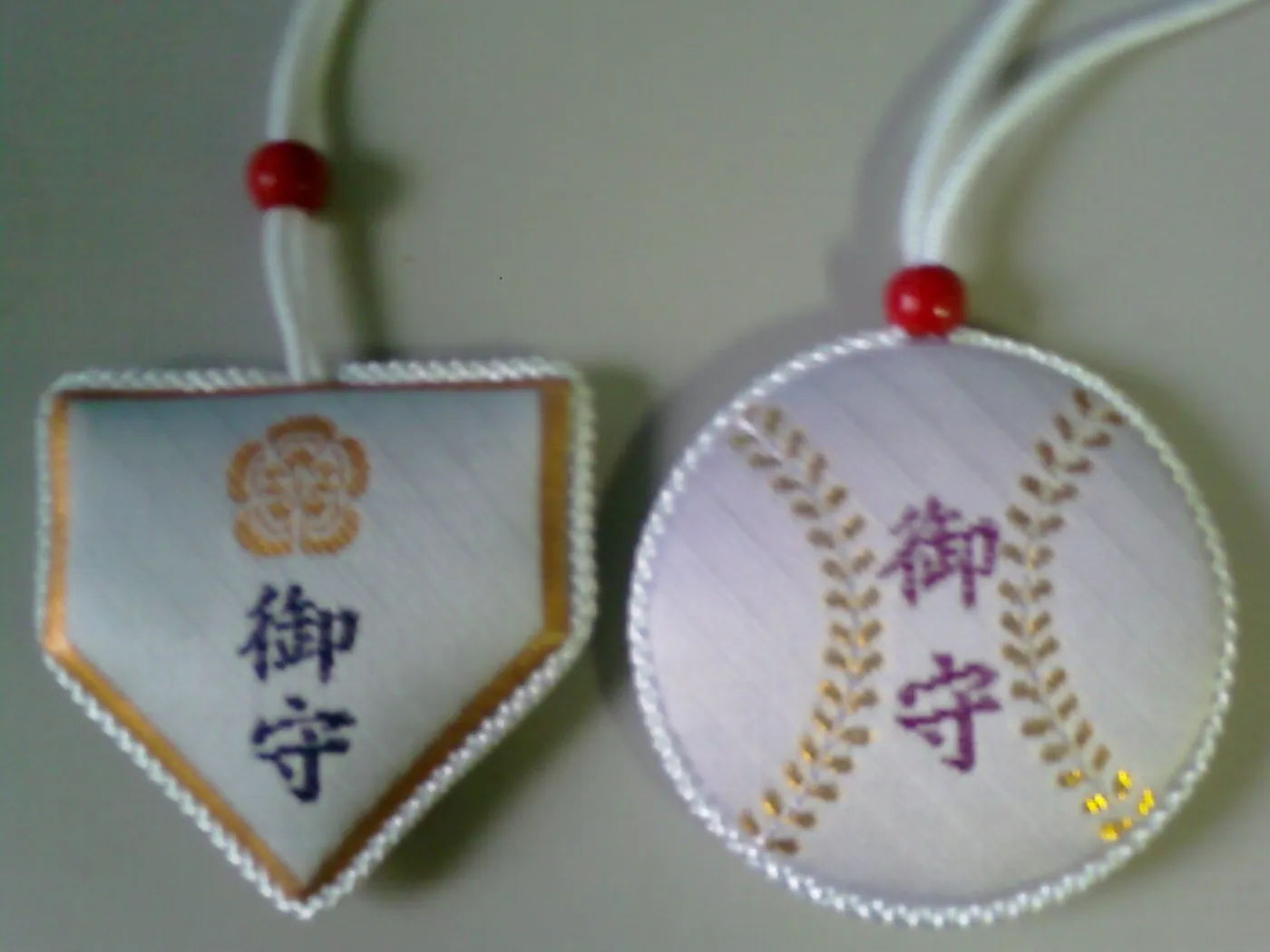 Omamoriお守り
Getting there
Hotels in Kyūshū
Ad: we may earn a commission if you book through these links, at no extra cost to you.
More temples in Fukuoka
撮Standing in front of one?Open the scanner and compare →