Origins of the Saba Kaido Trade Routes (若狭鯖街道熊川宿資料館(宿場館) 展示説明:鯖街道の起源) 鯖街道という交易路の起源
Official explanation
Saba Kaido (“Mackerel Road”) is the popular name of the branching network of trade routes that connected the Sea of Japan and the ancient capital of Kyoto. The name came into use sometime in the Edo period (1603–1867), but the routes themselves have a history of more than a thousand years, which is demonstrated by archaeological findings and ancient shipping records.
Archaeological Discoveries in Ancient Burial Mounds
Read the full explanation
Many keyhole-shaped burial mounds (kofun) are located along the roads that run through the Wakasa region. The Kaminaka area is particularly well known for the fifth- and sixth-century mounds found there. Grave goods discovered during excavations include items from mainland Asia, indicating that overseas trade already occurred at the ports along the Sea of Japan and that established trade routes leading to the capital facilitated transportation of goods inland. Some of the burial mounds have been tentatively identified as related to the Kashiwade no Omi, a clan that was tasked with supplying foodstuffs from Wakasa to the emperor and his court.
Wakasa Province Supplying Food to the Court
The shipments of food were made because Wakasa Province was once a miketsukuni, a province that paid some of its taxes in the form of food for the emperor’s court. Wooden shipping tags from Wakasa were found during excavations of Fujiwarakyo (the capital in 694–710) and Heijokyo (the capital in 710–740 and in 745–784) in present-day Nara Prefecture. The tags include information about the district the shipment came from, the tax payment it was for, and the type of food it contained. Examples of inscriptions that are still legible include salt and seafood such as mussels and sea bream. Thus, long before the Saba Kaido trade routes became famous for mackerel, other valuable food products were transported from Wakasa along the same roads all the way to Nara and later Kyoto.
出典: 地域観光資源の多言語解説文データベース(観光庁) — www.mlit.go.jp/tagengo-db. この英語解説文は観光庁の地域観光資源の多言語解説整備支援事業で作成しました。
Source: Japan Tourism Agency, Multilingual Explanation Database. This English text was produced by the Japan Tourism Agency's multilingual explanation project and is shown unedited. Opening hours and services may have changed since it was written.
旅Kanazawa tours
Live prices and reviews from GetYourGuide. Many tours can be cancelled for free — check each listing.
Ad: we may earn a commission if you book through these links, at no extra cost to you.
Things you may see here
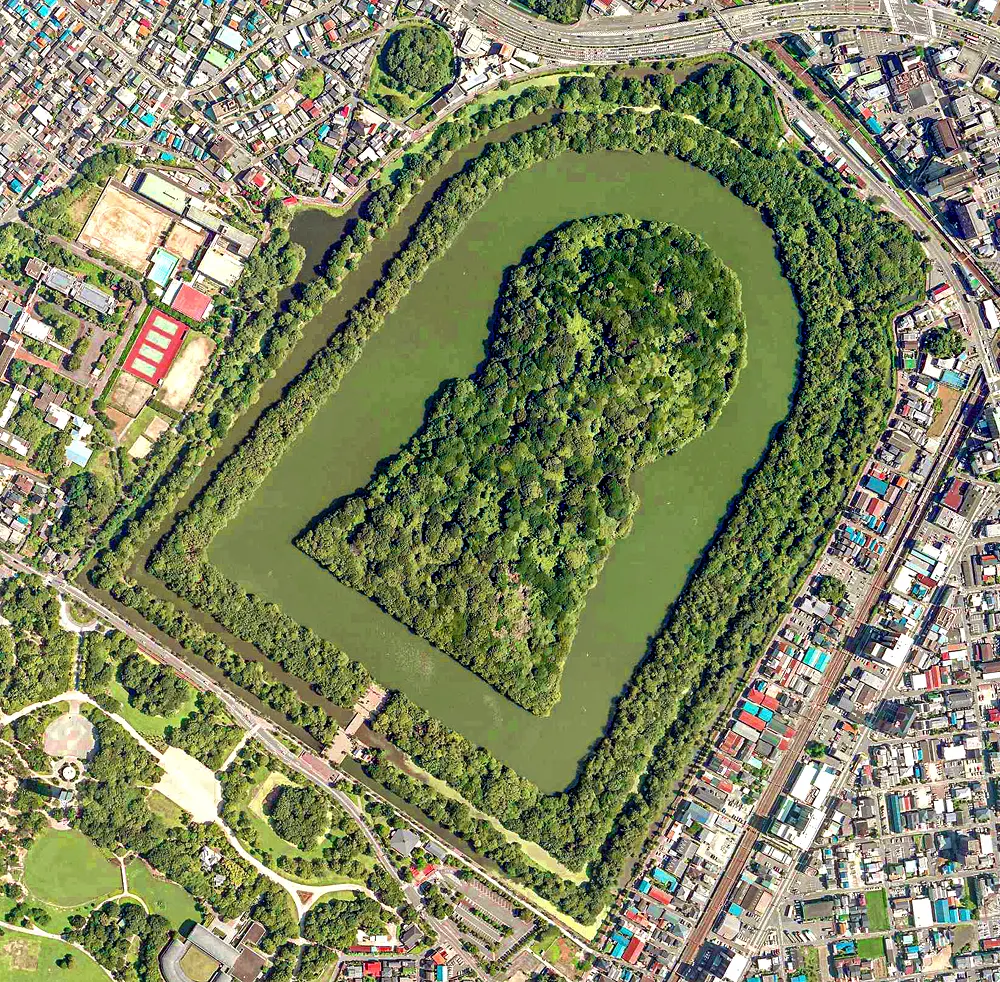 Kofun古墳
Getting there
Hotels in Fukui
Ad: we may earn a commission if you book through these links, at no extra cost to you.
More museums in Fukui
Open the scanner and compare →