Terashita Kannon Temple 寺下観音
Official explanation
[Intro Version]
Terashita Kannon Temple was built about 1,300 years ago during the Kamakura period (1185–1333). Dedicated to the Buddhist deity Kannon, the bodhisattva of compassion, it is the first stop on a 33-temple pilgrimage route across Aomori and Iwate prefectures. Please scan the QR code for more information.
Read the full explanation
[Full Version]
Terashita Kannon Temple was built about 1,300 years ago during the Kamakura period (1185–1333). Dedicated to the Buddhist deity Kannon, the bodhisattva of compassion, it is the first stop on a 33-temple pilgrimage route across Aomori and Iwate prefectures.
A torii gate stands at the entrance to the extensive grounds, which also include Ushioyama Jinja Shrine. Until the Meiji era (1868–1912) it was common for Buddhist temples and Shinto shrines to share the same precinct. However, after the Meiji government enacted a law enforcing separation of the two traditions, the Kannon statue at Terashita was moved to a temple in the neighboring town of Hachinohe. Eventually it was returned, and now rests in the Kannondo, a hall dedicated to Kannon.
The 33 statues surrounding the Kannondo are representations of other temples in western Japan dedicated to Kannon. Pilgrims from Terashita Kannon would make the rounds of these temples and return with soil which they buried under the statue corresponding to each temple. This way, believers unable to make the long journey could at least visit the distant temples in spirit.
The stairs from the Kannondo lead up to a bell tower that houses a bell commissioned by the lord of Hachinohe in 1720. The bell was removed by the military during World War II, when metal collected from around the country was being smelted to manufacture weapons. Fortunately, the war ended just as the bell was on its way to be melted down, and it was safely returned to the temple. Local legend has it that those who place their heads inside the bell while it is being rung will gain wisdom. Though this may seem like a risky practice, the actual sound inside the bell is surprisingly subdued and pleasant.
出典: 地域観光資源の多言語解説文データベース(観光庁) — www.mlit.go.jp/tagengo-db. この英語解説文は観光庁の地域観光資源の多言語解説整備支援事業で作成しました。
Source: Japan Tourism Agency, Multilingual Explanation Database. This English text was produced by the Japan Tourism Agency's multilingual explanation project and is shown unedited. Opening hours and services may have changed since it was written.
旅Tōhoku tours
Live prices and reviews from GetYourGuide. Many tours can be cancelled for free — check each listing.
Ad: we may earn a commission if you book through these links, at no extra cost to you.
Things you may see here
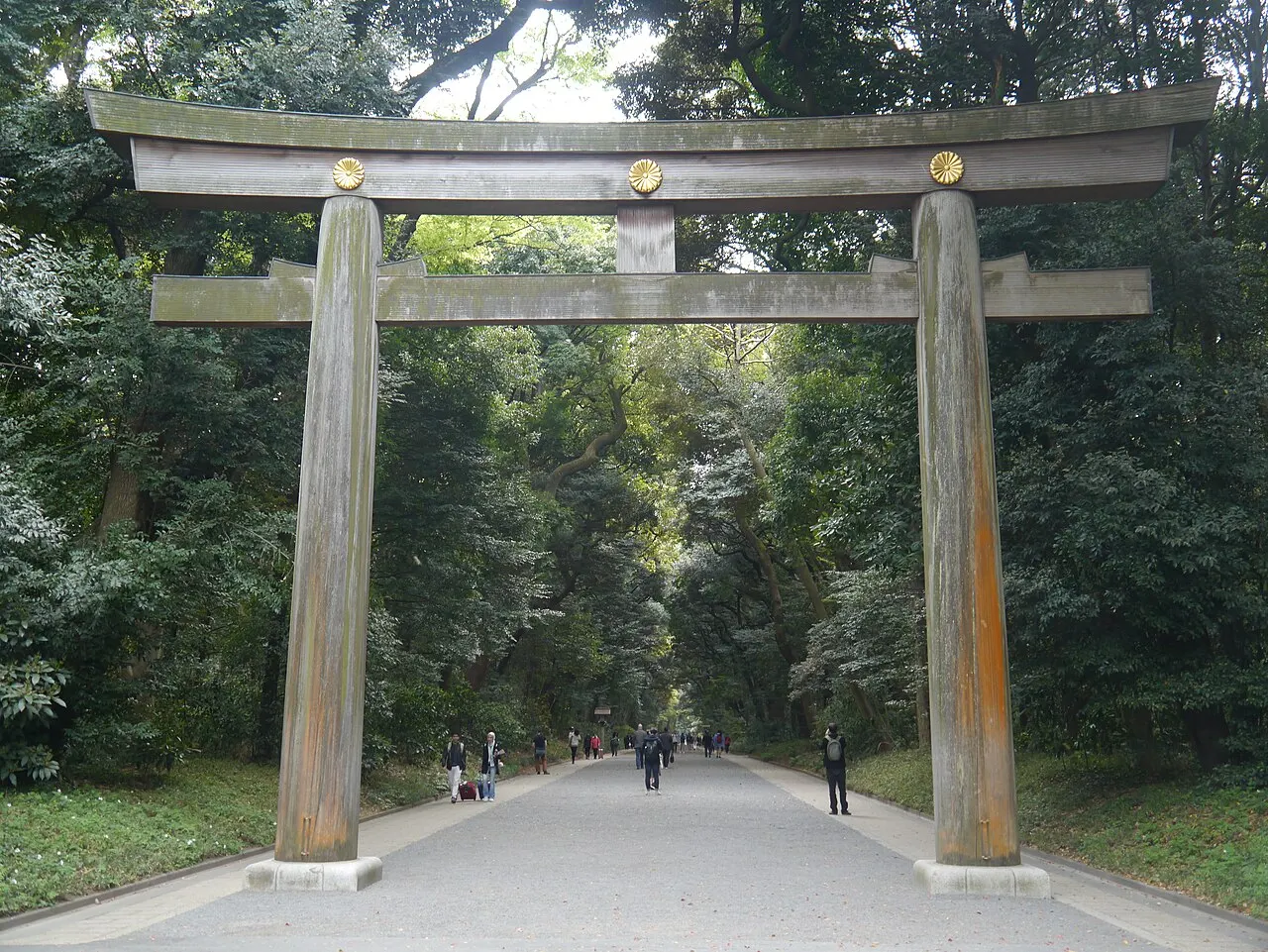 Torii gate鳥居
Getting there
Hotels in Aomori
Ad: we may earn a commission if you book through these links, at no extra cost to you.
More temples in Aomori
撮Standing in front of one?Open the scanner and compare →